This article explained the importance of an Automatic Propane Gas Shut Off Valve, how it works, and when to consider an Automatic Propane Gas Shut Off Valve Replacement. From safety benefits to installation guidance, this guide empowers homeowners and business operators to make smart, proactive decisions about propane safety.

Propane is a powerful and efficient energy source used in homes, RVs, restaurants, food trucks, industrial settings, and outdoor cooking spaces. While it provides reliable performance, propane also demands respect and proper safety measures. A gas leak can pose serious risks, including fire hazards, carbon monoxide exposure, and costly property damage. This is why having an Automatic Propane Gas Shut Off Valve is essential for any system that relies on propane on a daily basis.
Automatic shut-off valves are designed to detect abnormalities in gas flow and instantly cut off the supply before a dangerous situation can escalate. This single piece of equipment adds a layer of protection that manual valves or visual inspections simply can’t match. For homeowners, business operators, and mobile vendors alike, this device acts as a silent guardian—always monitoring and reacting when something goes wrong.
In this article, we break down how these valves work, why they’re so important, and when you may need an Automatic Propane Gas Shut Off Valve Replacement. Whether you are looking to upgrade your safety systems or seeking basic education on propane safety, this detailed guide will give you everything you need to make informed decisions.
Understanding Automatic Propane Gas Shut Off Valves
An Automatic Propane Gas Shut Off Valve is a safety mechanism that stops the flow of propane gas when irregularities—such as unusually high flow rates, pressure changes, or suspected leaks—are detected. Unlike manual valves that rely on human inspection and reaction time, automatic valves operate continuously and immediately.
These valves are commonly used in:
- Residential Propane Systems
- Outdoor Kitchens and Grilling Setups
- Food Trucks and Mobile Kitchens
- Emergency Preparedness Installations
- Industrial Propane Equipment
- Propane Heaters, Generators, and RV Systems
Their primary job is to respond faster and more accurately than a human could during an emergency, reducing the risk of ignition or hard-to-detect leaks.
How Automatic Shut Off Valves Work
The technology behind automatic shut-off valves varies depending on the model, but most rely on one or more of the following mechanisms:
1. Excess Flow Detection
If propane begins flowing at an abnormal rate—such as a sudden increase caused by a broken line—the valve closes automatically.
2. Pressure Sensing
Some valves measure internal pressure and trigger a shutdown if the pressure drops unexpectedly, which often indicates a leak.
3. Temperature Responsiveness
Thermal shut-off valves react to high temperatures caused by nearby flames or overheating equipment.
4. Electronic Monitoring Systems
Advanced units use digital sensors to track propane flow, allowing for more precise and customizable safety settings.
Regardless of design, these systems share one common goal: prevent propane from escaping uncontrolled and creating dangerous conditions.
Why Automatic Shut Off Valves are Essential
The importance of having a reliable shut-off valve cannot be overstated. From safety to regulatory compliance, the benefits are significant.
1. Immediate Leak Protection
Small leaks may go unnoticed during daily operations. An automatic valve responds instantly to irregular flow, preventing escalation.
2. Fire and Explosion Prevention
Propane is highly flammable. Releasing gas near heat sources, open flames, or electrical equipment can lead to serious accidents.
3. Peace of Mind
Knowing your propane system is continuously monitored allows you to operate with confidence—especially important for food trucks, restaurants, and other public-facing businesses.
4. Compliance with Safety Standards
Certain commercial setups are required by law or regulation to install automatic shut-off systems.
5. Protection During Equipment Failure
Faulty regulators, damaged hoses, or loose fittings happen more often than people realize. Automatic valves help prevent a small issue from becoming a catastrophe.
Signs You Need an Automatic Propane Gas Shut Off Valve Replacement
Even high-quality valves eventually wear down over time. Environmental factors, frequent use, and exposure to outdoor elements can affect performance. Here are signs that you may need an Automatic Propane Gas Shut Off Valve Replacement:
1. Irregular Gas Flow
If your appliances experience inconsistent flame strength or pressure drops, your valve may no longer be functioning reliably.
2. Frequent Tripping
A valve that shuts off too often may be malfunctioning—or, worse, failing to detect actual dangers.
3. Visible Corrosion or Damage
Outdoor installations are especially prone to rust and moisture-related deterioration.
4. Old Age
Valves should be replaced periodically based on manufacturer recommendations or after several years of continuous use.
5. Audible Hissing or Gas Odor
If the valve fails to stop gas during leaks, replacement is urgent.
6. Slow Response Time
Delayed automatic reaction time can be dangerous and may indicate internal wear.
Replacing a faulty or outdated valve not only restores safety—it often improves energy efficiency and system performance.
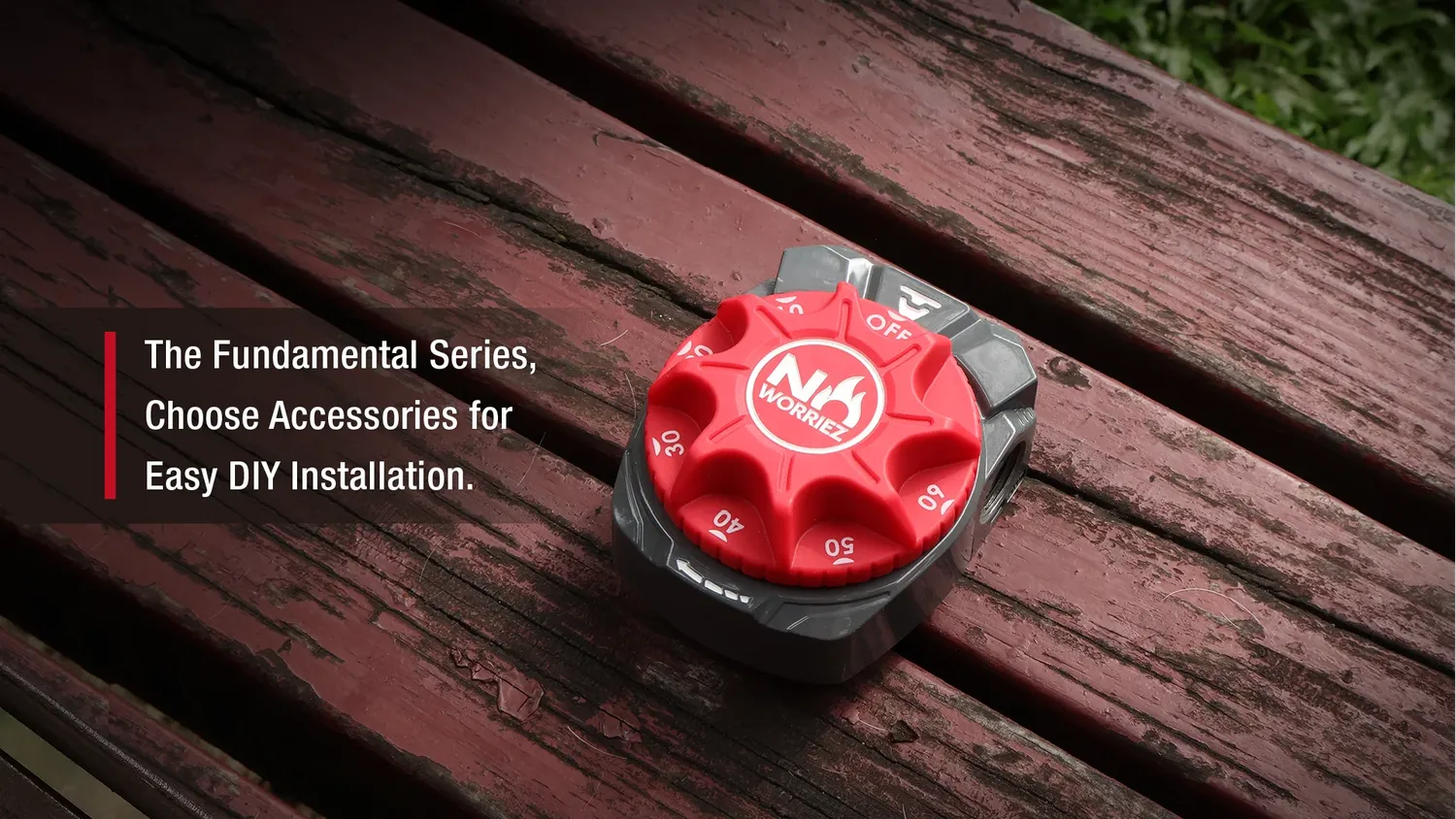
How to Choose the Right Shut Off Valve?
There are several styles and specifications to consider. The right valve depends on where and how you use propane. When selecting your system, think about:
1. Application Type
Residential systems have different needs compared to commercial grills, RVs, or mobile food setups.
2. Operating Pressure
Ensure compatibility with your propane tank, regulator, and appliance requirements.
3. Installation Environment
Outdoor setups require corrosion-resistant materials to withstand weather elements.
4. Safety Certifications
Look for valves that meet industry standards for propane handling and emergency shut-off.
5. Ease of Replacement
Some systems are designed for quick installation without major adjustments or professional labor.
For dependable options, innovative safety technology can be found at noworrieztimer.com, a trusted source for gas safety solutions.
The Role of Automatic Shut Off Valves in Commercial Environments
Commercial environments—such as food trucks, restaurants, concession trailers, and mobile kitchens—rely heavily on propane. Because these spaces are compact and surrounded by heat sources, the risk of propane-related accidents increases significantly.
Installing an automatic shut-off valve:
- Enhances Safety for Employees and Patrons
- Protects Equipment and Inventory
- Helps Businesses Meet Local Regulatory Requirements
- Reduces Insurance Liability
- Ensures Uninterrupted Operation During Peak Hours
For mobile businesses, where propane tanks often move or vibrate during travel, automatic shut-off valves are not only practical—they are vital.
Conclusion
An Automatic Propane Gas Shut Off Valve is one of the most important safety components you can include in your propane system. Whether used in a home, RV, outdoor kitchen, or commercial setup, it provides continuous monitoring that manual inspections cannot match. When your valve begins showing signs of wear, investing in an Automatic Propane Gas Shut Off Valve Replacement is not just a maintenance task—it’s a crucial step in protecting lives, property, and business operations.
When you prioritize safety with high-quality equipment, you gain peace of mind every time you turn on a propane-powered appliance. For reliable automatic shut-off solutions, explore the advanced options available at noworrieztimer.com.