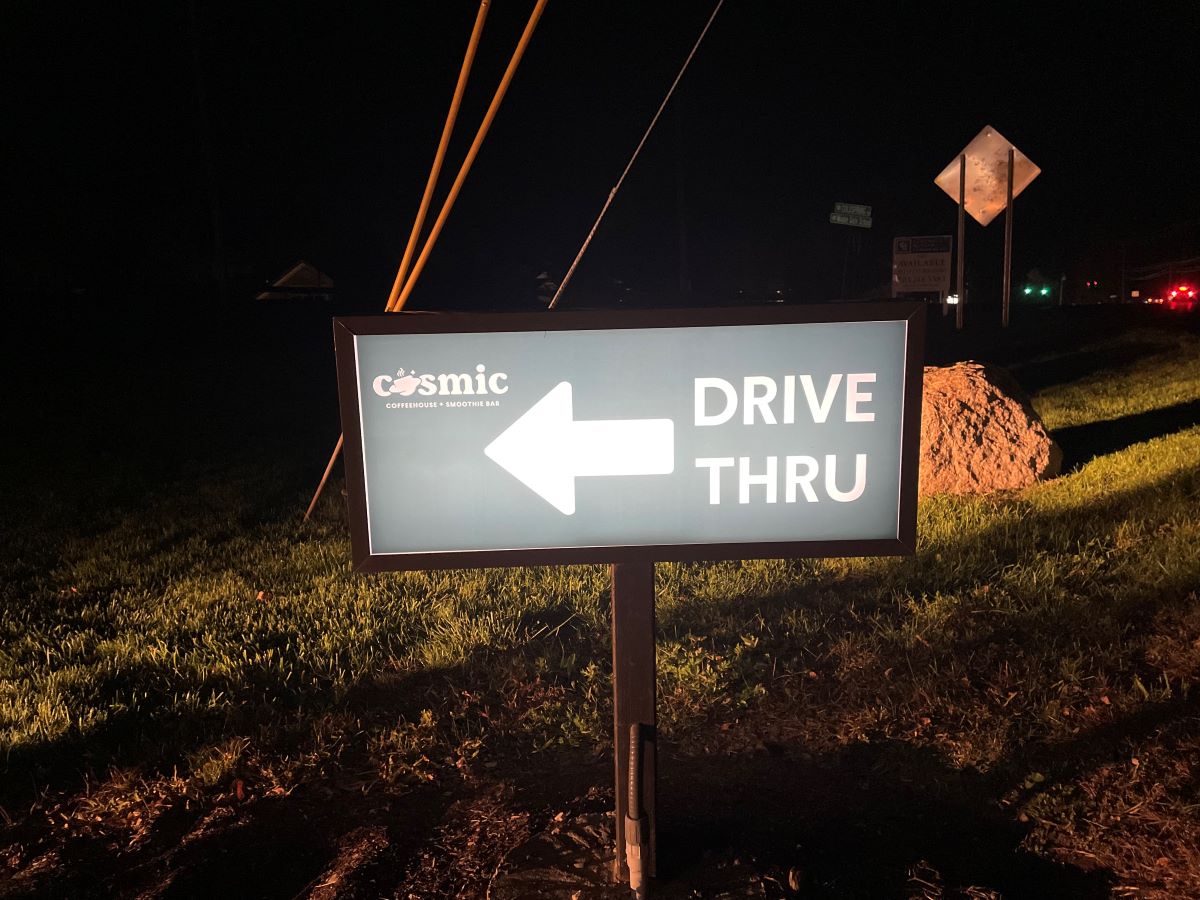
Wayfinding signs are much more than simple directional markers. They help visitors move through buildings, campuses, offices, healthcare facilities, retail stores, and industrial properties with confidence. Well-designed navigation signage improves customer experiences, reduces confusion, enhances accessibility, and creates a professional business environment. As commercial properties continue to grow in size and complexity, effective navigation has become an essential part of every organization's branding and customer service strategy.
Businesses across Connecticut understand that every visitor's first impression begins long before they reach a reception desk. If customers struggle to locate entrances, departments, parking areas, or service counters, their overall experience can quickly become frustrating. This is why investing in high-quality Wayfinding Signs in Connecticut has become a priority for companies seeking to improve operational efficiency and customer satisfaction.
Whether serving hospitals, universities, manufacturing facilities, shopping centers, corporate offices, or hospitality businesses, professionally designed Wayfinding Signs help people reach their destinations safely and efficiently. Every industry has unique navigation challenges, making customized signage solutions far more effective than generic directional signs.
Why Wayfinding Signs Matter for Modern Businesses
Customers expect convenience from the moment they arrive at a business location. Clear navigation reduces stress, saves time, and allows visitors to focus on the reason for their visit instead of searching for directions.
For businesses, proper navigation provides several measurable advantages:
- Improves visitor experience
- Reduces staff interruptions for directions
- Creates organized traffic flow
- Supports ADA accessibility compliance
- Strengthens professional branding
- Improves workplace efficiency
- Enhances safety during emergencies
- Reduces visitor confusion
For B2B organizations, these benefits extend beyond customer satisfaction. Vendors, contractors, employees, delivery personnel, and business partners all benefit from organized navigation systems that simplify movement throughout commercial properties.
Understanding Different Types of Wayfinding Signs
Every facility requires multiple layers of navigation. Rather than relying on one sign, businesses often create a complete wayfinding system that guides visitors from arrival to destination.
Common types include:
Exterior Directional Signs
Exterior signs guide drivers and pedestrians before they even enter a building. These signs typically identify:
- Main entrances
- Visitor parking
- Employee parking
- Loading docks
- Building numbers
- Campus maps
- Emergency entrances
- Accessible entrances
Large commercial campuses throughout Connecticut often rely on these signs to eliminate confusion before visitors leave their vehicles.
Interior Directional Signs
Indoor navigation becomes increasingly important inside larger buildings.
These signs may identify:
- Reception areas
- Conference rooms
- Elevators
- Restrooms
- Departments
- Waiting areas
- Customer service counters
- Exits
Consistent placement and easy-to-read typography make these signs effective for visitors of every age.
Directory Signs
Directory signs provide an overview of an entire facility.
These are commonly installed in:
- Office buildings
- Shopping centers
- Medical complexes
- Educational campuses
- Government buildings
Rather than pointing toward one location, directories help visitors understand the entire layout before continuing their journey.
Identification Signs
Identification signs label individual spaces, including:
- Offices
- Classrooms
- Hospital rooms
- Meeting rooms
- Departments
- Laboratories
- Suites
These signs complete the navigation process after directional signs have guided visitors through the building.
ADA-Compliant Signs
Accessibility remains one of the most important aspects of modern navigation systems.
ADA-compliant signs may include:
- Braille
- Raised lettering
- High-contrast colors
- Accessible mounting heights
- Easy-to-read fonts
Businesses serving the public benefit from accessible signage that welcomes every visitor while supporting regulatory requirements.
Choosing the Right Wayfinding Signs for Healthcare Facilities
Hospitals, clinics, and medical centers present some of the most complex navigation environments.
Patients often arrive under stressful circumstances, making clear directions especially important.
Healthcare facilities typically benefit from:
Campus Entrance Signs
Medical campuses frequently contain multiple buildings.
Large entrance signs identify:
- Emergency departments
- Outpatient clinics
- Specialty centers
- Parking garages
- Visitor entrances
Parking Direction Signs
Finding parking should never become another source of stress for patients.
Parking guidance includes:
- Visitor parking
- Physician parking
- Emergency parking
- Accessible parking
- Staff parking
Department Identification
Hospitals contain numerous specialized departments.
Effective signs help patients locate:
- Radiology
- Cardiology
- Pediatrics
- Oncology
- Surgical centers
- Laboratory services
- Pharmacy
- Imaging centers
Color-Coded Navigation
Many healthcare systems assign colors to different departments or building wings.
Visitors simply follow designated colors instead of memorizing complicated directions, reducing confusion while improving navigation efficiency.
Best Wayfinding Signs for Corporate Offices
Corporate offices receive clients, vendors, interview candidates, and delivery personnel every day.
Professional navigation contributes to a polished company image.
Common solutions include:
Lobby Directories
Modern directories display:
- Company names
- Suite numbers
- Floor locations
- Department listings
Digital directories are becoming increasingly popular because updates can be made quickly without replacing the entire sign.
Reception Signs
Reception areas should immediately reassure visitors they have arrived at the correct destination.
Branded reception signs combined with directional information create an organized and welcoming environment.
Conference Room Signs
Large office buildings often include numerous meeting spaces.
Room identification signs help visitors locate:
- Boardrooms
- Training rooms
- Executive offices
- Conference centers
- Break rooms
Employee Navigation
Wayfinding also improves workplace efficiency by directing staff toward:
- Human resources
- IT departments
- Mailrooms
- Cafeterias
- Wellness centers
- Emergency exits
Businesses working with a professional Sign Company Connecticut often develop comprehensive navigation systems that integrate branding with functionality, ensuring every sign reflects the company's professional image.
Retail Stores Need More Than Just Directional Signs
Retail environments depend on customer convenience.
When shoppers easily locate products and departments, they spend less time searching and more time making purchases.
Retail Wayfinding Signs commonly include:
Department Signs
Large department markers identify:
- Electronics
- Clothing
- Home goods
- Customer service
- Checkout lanes
- Seasonal products
Hanging Directional Signs
Ceiling-mounted signs maximize visibility across large sales floors.
These signs help customers navigate from virtually any location inside the store.
Promotional Navigation
Retailers frequently combine navigation with marketing.
Examples include:
- New arrivals
- Clearance sections
- Featured brands
- Limited-time promotions
This approach improves both customer flow and product visibility.
Pickup and Service Signs
As online shopping continues to grow, retailers increasingly install signs directing customers toward:
- Online pickup
- Returns
- Customer service
- Delivery entrances
- Service counters
These navigation systems streamline operations while improving the customer experience.
Manufacturing and Industrial Facilities Require Specialized Wayfinding
Industrial properties face unique navigation challenges because they serve employees, contractors, suppliers, inspectors, and freight carriers.
Effective Wayfinding Signs in Connecticut for manufacturing facilities prioritize safety, efficiency, and organization.
Important signage includes:
Vehicle Traffic Signs
Industrial sites often have separate routes for:
- Delivery trucks
- Employee vehicles
- Visitors
- Forklift traffic
- Shipping and receiving
Clearly marked routes reduce congestion and improve safety throughout the property.
Safety Direction Signs
Safety remains the highest priority in manufacturing environments.
Directional signs commonly identify:
- Emergency exits
- Assembly points
- First aid stations
- Fire extinguisher locations
- Restricted areas
- Hazard zones
Proper placement ensures workers and visitors can respond quickly during emergencies.
Warehouse Identification
Large warehouses are easier to navigate with clearly labeled:
- Storage zones
- Inventory sections
- Shipping departments
- Receiving docks
- Equipment areas
- Loading bays
These signs improve operational efficiency while reducing delays for employees and logistics partners.
Educational Institutions Need Comprehensive Navigation Systems
Schools, colleges, universities, and private educational campuses often span multiple buildings and accommodate thousands of students, staff, parents, and visitors each day. A well-designed wayfinding system helps people move around safely while creating a more welcoming environment.
Educational campuses commonly use Wayfinding Signs for:
- Campus entrance identification
- Building directories
- Classroom locations
- Administrative offices
- Libraries
- Science laboratories
- Sports facilities
- Student centers
- Cafeterias
- Parking lots
Many institutions also incorporate color-coded zones and campus maps to simplify navigation for new students and guests. During special events such as graduations, orientations, and conferences, these signs become even more valuable by reducing confusion and helping visitors reach their destinations efficiently.
Hotels and Hospitality Businesses Benefit from Clear Navigation
Hotels, conference centers, resorts, and event venues strive to provide exceptional guest experiences. One of the simplest ways to improve guest satisfaction is by making every area easy to find.
Hospitality businesses commonly install signage for:
- Reception areas
- Guest room wings
- Elevators
- Conference halls
- Restaurants
- Fitness centers
- Swimming pools
- Parking garages
- Emergency exits
- Event spaces
Large hotels often welcome guests who are unfamiliar with the property. Clear navigation minimizes frustration and allows visitors to enjoy their stay without constantly asking staff for directions.
For conference venues, effective signage also helps event attendees move quickly between meeting rooms, exhibition halls, and networking spaces.
Government Buildings Require Organized Wayfinding
Government facilities often serve hundreds of visitors every day. These buildings may contain multiple departments that provide different public services.
Common navigation signs include:
- Department directories
- Service counters
- Public meeting rooms
- Licensing offices
- Courtrooms
- Payment offices
- Public restrooms
- Waiting areas
- Emergency exits
Because many visitors enter government buildings for the first time, straightforward navigation significantly improves the overall public experience.
Multi-Tenant Commercial Buildings Need Flexible Signage
Office complexes housing multiple businesses require navigation systems that can easily adapt as tenants change.
Typical wayfinding solutions include:
Monument Directories
Installed near entrances, these directories display:
- Business names
- Suite numbers
- Building locations
Floor Directories
Placed inside building lobbies, floor directories help visitors locate companies before using elevators or stairways.
Suite Identification
Every tenant should have clearly visible identification signs that match the property's overall design while allowing each business to maintain its individual identity.
Property Management Companies Depend on Effective Wayfinding
Commercial property managers oversee office parks, shopping centers, mixed-use developments, and business campuses. Consistent signage throughout these properties supports tenant satisfaction and visitor convenience.
Navigation systems often include:
- Vehicle directional signs
- Pedestrian pathways
- Parking lot identification
- Building numbers
- Loading zone markers
- Visitor information boards
A professionally designed wayfinding program also contributes to a property's overall appearance, making it more attractive to potential tenants.
Design Elements That Make Wayfinding Signs Effective
Even the best locations for signs will not be successful if the design is difficult to understand. Every sign should communicate information quickly and clearly.
Readable Typography
Fonts should be:
- Simple
- Bold
- Easy to read from a distance
- Consistent throughout the facility
Highly decorative fonts may look attractive but often reduce readability.
High-Contrast Colors
Good color contrast improves visibility under different lighting conditions.
Examples include:
- White on dark blue
- Black on white
- White on green
High contrast also benefits individuals with visual impairments.
Consistent Branding
Wayfinding signs should complement a company's overall brand identity.
Businesses often incorporate:
- Brand colors
- Corporate logos
- Matching typography
- Consistent graphic elements
This creates a cohesive appearance throughout the property while reinforcing brand recognition.
Universal Symbols
Internationally recognized symbols help visitors understand directions regardless of their primary language.
Common pictograms identify:
- Restrooms
- Elevators
- Parking
- Information desks
- Accessible entrances
- Emergency exits
Using universal icons makes navigation more intuitive for a diverse audience.
Why Custom Wayfinding Solutions Outperform Standard Signs
Every commercial property has unique traffic patterns, customer expectations, and operational requirements. Off-the-shelf signs rarely address these specific needs.
Custom Wayfinding Signs in Connecticut offer several advantages:
- Designed for the property's layout
- Aligned with corporate branding
- Built for long-term durability
- Scalable as businesses grow
- Easier for visitors to understand
- Better integration with architectural design
Customized solutions also allow businesses to anticipate future expansion, reducing the need for costly replacements later.
Supporting B2B Businesses Across Connecticut and Nearby Areas
Businesses throughout Connecticut rely on professional navigation systems to create organized and welcoming environments. From major cities to surrounding communities, effective signage helps companies improve customer experiences and operational efficiency.
Organizations in areas such as Hartford, New Haven, Stamford, Bridgeport, Waterbury, Norwalk, Danbury, New Britain, Bristol, and nearby business districts all benefit from professionally planned wayfinding systems.
B2B industries that frequently invest in comprehensive navigation signage include:
- Manufacturing companies
- Distribution centers
- Corporate headquarters
- Healthcare providers
- Educational institutions
- Commercial office buildings
- Property management firms
- Warehousing facilities
- Financial institutions
- Retail chains
- Industrial parks
- Logistics companies
- Technology businesses
As facilities continue to expand, navigation becomes an increasingly valuable investment that supports both daily operations and long-term business growth.
Choosing an experienced Sign Company Connecticut allows businesses to create signage systems that balance functionality, accessibility, and visual appeal. From the initial planning stage through installation, a customized approach ensures every sign serves a meaningful purpose while contributing to a consistent brand image.
Companies such as Northeast Sign Company understand the importance of designing wayfinding solutions that improve customer experiences while reflecting each client's professional identity. Whether serving healthcare facilities, educational campuses, retail environments, or corporate offices, thoughtfully designed signage creates a smoother journey for every visitor.
As organizations grow, navigation requirements often evolve. Working with experienced professionals allows businesses to update existing systems, add new directional elements, and maintain consistency across expanding facilities. Northeast Sign Company helps businesses develop practical signage solutions that support efficiency, safety, and long-term success.
Conclusion
Effective Wayfinding Signs in Connecticut do far more than direct people from one location to another. They enhance customer satisfaction, improve accessibility, strengthen brand identity, and create safer, more organized commercial environments.
Every industry has unique navigation needs. Hospitals require patient-friendly directional systems, educational campuses need comprehensive mapping solutions, retailers benefit from clear department identification, and manufacturing facilities depend on safety-focused navigation. Selecting the appropriate Wayfinding Signs for each environment helps visitors feel confident while improving operational efficiency.
Businesses that invest in customized signage systems position themselves to provide better customer experiences, reduce confusion, and create lasting positive impressions. Whether serving employees, clients, vendors, or guests, professionally designed navigation remains an essential component of every successful commercial property.
Frequently Asked Questions (FAQs)
1. What are wayfinding signs used for?
Wayfinding Signs help people navigate through commercial properties by directing them to entrances, departments, offices, parking areas, exits, and other important locations. They improve convenience, safety, and the overall visitor experience.
2. Which industries benefit the most from Wayfinding Signs in Connecticut?
Healthcare facilities, schools, universities, corporate offices, retail stores, manufacturing plants, hotels, government buildings, and commercial property managers all benefit from professionally designed Wayfinding Signs in Connecticut.
3. Are custom wayfinding signs better than standard signs?
Yes. Custom signs are designed specifically for a property's layout, branding, traffic flow, and accessibility needs, making them significantly more effective than generic signage.
4. Why is ADA-compliant wayfinding signage important?
ADA-compliant signage improves accessibility for individuals with visual and physical disabilities by incorporating features such as Braille, raised lettering, high-contrast colors, and proper mounting heights.
5. How do wayfinding signs improve business operations?
Clear navigation reduces visitor confusion, minimizes interruptions to staff, improves traffic flow, enhances safety, strengthens brand consistency, and creates a more professional environment for customers, employees, and business partners.