Socks might seem like a simple accessory, but choosing the right material can make a world of difference in comfort, durability, and overall satisfaction. As the owner of NordicSocks, I understand the importance of offering high-quality socks that cater to diverse preferences and needs. In this article, we'll explore the characteristics of three popular sock materials: cotton, wool, and cashmere, helping you determine which is best suited for your feet.
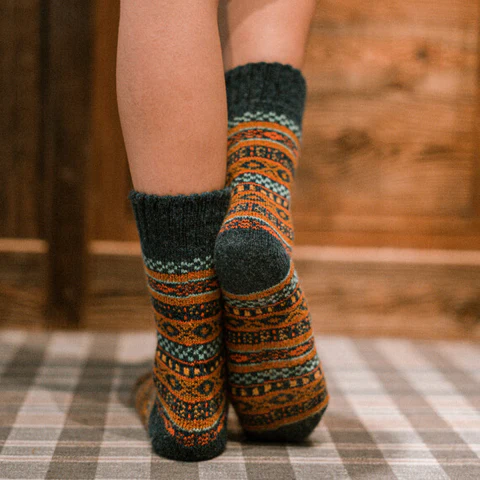
Cotton Socks Comfort and Breathability
Cotton socks are a staple in many wardrobes for their softness and breathability. The natural fibers of cotton allow air to circulate, keeping your feet cool and dry throughout the day. Additionally, cotton socks are gentle on the skin, making them suitable for individuals with sensitive feet. However, it's essential to note that cotton socks may lack the insulation needed in colder climates and can retain moisture, leading to dampness and discomfort.
Wool Socks Warmth and Moisture Management
Wool socks are renowned for their warmth and moisture-wicking properties, making them an excellent choice for outdoor activities and cold weather conditions. The natural crimp of wool fibers creates tiny air pockets, providing insulation against the cold while allowing moisture to evaporate, keeping your feet dry and odor-free. Despite their superior insulation, wool socks may feel bulky and less breathable compared to cotton socks.
Cashmere Socks Luxury and Softness
Cotton wool cashmere socks exude luxury and sophistication, offering unmatched softness and comfort. Derived from the fine undercoat of cashmere goats, cashmere fibers are incredibly soft and lightweight, making them a popular choice for those seeking ultimate indulgence. While cashmere socks are undoubtedly luxurious, they may require delicate care and have a higher price point compared to cotton and wool socks.
Comparison Cotton vs. Wool vs. Cashmere
When comparing cotton, wool, and cashmere socks, several factors come into play:
- Durability: Wool socks tend to be more durable than cotton socks, while cashmere socks require delicate handling to maintain their integrity.
- Comfort: Cashmere socks offer unparalleled softness, followed closely by cotton socks, while wool socks prioritize warmth over softness.
- Breathability: Cotton socks excel in breathability, making them ideal for warmer climates, whereas wool socks provide insulation but may feel less breathable.
- Insulation: Wool socks are the best choice for insulation, followed by cashmere, while cotton socks may not provide adequate warmth in colder temperatures.
- Moisture-wicking properties: Wool socks are superior in managing moisture, keeping your feet dry and comfortable even during strenuous activities.
Sustainability and Environmental Impact
In recent years, sustainability has become a significant concern for consumers. Cotton, wool, and cashmere each have unique environmental impacts:
- Cotton: While cotton is a natural fiber, conventional cotton farming often involves heavy pesticide use and water consumption.
- Wool: Wool is biodegradable and renewable, with minimal environmental impact if sourced responsibly.
- Cashmere: Cashmere production can be detrimental to the environment if not managed sustainably, as it involves grazing practices that can lead to land degradation.
Price Point and Affordability
The price of socks varies depending on the material and quality. Cotton socks are typically the most affordable option, followed by wool, while cashmere socks are considered a luxury investment.
Maintenance and Care
Proper maintenance is crucial for prolonging the lifespan of your socks:
- Cotton: Machine washable and easy to care for, but may shrink if not washed and dried properly.
- Wool: Hand wash or machine wash on a gentle cycle with mild detergent, and air dry to prevent shrinking and felting.
- Cashmere: Hand wash in cold water with a gentle detergent, and lay flat to dry to maintain the softness and shape of the fibers.

Conclusion
Choosing the best socks ultimately depends on your personal preferences, lifestyle, and climate. Whether you prioritize comfort, warmth, or luxury, NordicSocks offers a wide range of options to suit your needs. Consider the unique characteristics of cotton, wool, and cashmere socks, and invest in quality footwear that keeps your feet happy and stylish.
FAQs:
Are cotton socks better than wool socks for everyday wear?
It depends on your climate and personal preferences. Cotton socks are lightweight and breathable, ideal for warmer weather, while wool socks provide insulation and warmth, making them suitable for colder climates.
Can cashmere socks be worn in warmer climates?
Cashmere socks may feel too warm for hot weather but can still be worn comfortably in air-conditioned environments or during cooler evenings.
How do I know if a sock is made of pure cashmere?
Pure cashmere socks are incredibly soft and lightweight, with a luxurious feel. Look for reputable brands that source their cashmere from reputable suppliers.
Are wool socks suitable for individuals with sensitive skin?
Wool socks may cause irritation for individuals with sensitive skin due to the coarseness of some wool fibers. Look for socks made from fine merino wool, which is softer and less likely to cause irritation.
Are cotton socks more prone to shrinking?
Yes, cotton socks may shrink if washed and dried using high heat. To prevent shrinking, wash them in cold water and air dry whenever possible.