Many parents wonder when their child should begin learning the piano. Some believe children need to be older before they can understand music, while others think starting as early as possible is the best choice. The truth is that every child develops at a different pace, but introducing music during the early years can provide many lasting benefits.
Piano is one of the easiest instruments for young learners because it offers a visual and hands-on way to understand music. Children can quickly connect the sounds they hear with the keys they press, making learning enjoyable and rewarding from the very beginning.
At NewSongs Music School: Grant Line Rd, we help children begin their musical journey in a supportive environment where lessons are tailored to their age, personality, and learning style. Our goal is to help every student build confidence while developing a lifelong love for music.
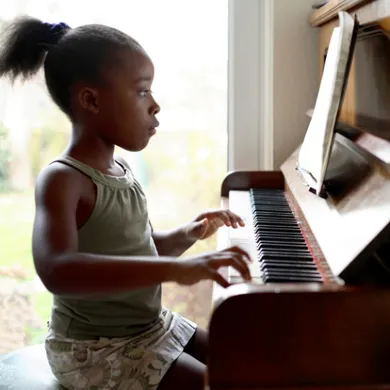
What Is the Best Age to Start Piano Lessons?
Many music educators recommend beginning piano lessons between the ages of five and seven. During these years, children usually have enough hand coordination, attention span, and listening skills to follow simple musical instruction.
However, age is only one part of the decision. Some younger children may be ready earlier, while others may benefit from waiting another year. Instead of focusing only on age, parents should look for signs that their child is interested and ready to learn.
Signs Your Child May Be Ready
Every child develops differently, but many young students show similar signs when they are ready for piano lessons.
These signs include:
- Enjoying music at home
- Singing along with songs
- Following simple directions
- Recognizing patterns
- Sitting and focusing for short periods
- Showing curiosity about musical instruments
- Using both hands comfortably during activities
Children who display these behaviors often adapt well to beginner piano lessons.
Why Is Piano a Good First Instrument?
Many families choose piano because it provides an excellent introduction to music.
Unlike many other instruments, the piano makes it easy to see how notes are organized. Students can visually understand high and low notes while developing rhythm and coordination at the same time.
Piano also creates sound immediately, which gives beginners instant feedback and encourages continued learning.
Piano Builds Strong Musical Foundations
Students who begin with piano often gain a better understanding of music overall.
They learn:
- Rhythm
- Melody
- Harmony
- Chords
- Musical patterns
- Reading sheet music
These skills make learning additional instruments much easier in the future.
How Do Piano Lessons Help Children Outside of Music?
Parents are often surprised to discover that piano lessons improve much more than musical ability.
Music education encourages children to develop valuable life skills that continue benefiting them throughout school and everyday life.
Many students become stronger in:
- Concentration
- Memory
- Listening
- Patience
- Problem-solving
- Self-discipline
- Responsibility
These skills support learning across many different subjects and activities.
Confidence Grows With Every Achievement
Children gain confidence by accomplishing small goals.
Learning a new song, recognizing notes, or improving finger coordination gives students a sense of pride that motivates them to continue practicing.
At NewSongs Music School: Grant Line Rd, our instructors celebrate every milestone to help students stay motivated and excited about learning.
How Often Should Beginners Practice?
Many parents worry that their child must practice for hours every day. Fortunately, that is not necessary for beginners.
Short, consistent practice sessions usually produce better results than long sessions that feel overwhelming.
Young beginners often benefit from:
- Ten to fifteen minutes each day
- Practicing several times each week
- Reviewing lesson material regularly
- Playing familiar songs
Consistency helps children develop positive learning habits without creating unnecessary pressure.
Quality Is More Important Than Quantity
A focused practice session is often more valuable than simply spending extra time at the piano.
Children learn more effectively when they:
- Practice slowly
- Pay attention to technique
- Listen carefully
- Repeat difficult sections
- End each session with something enjoyable
This approach keeps practice fun while encouraging steady improvement.
What Makes Piano Lessons Enjoyable?
Children learn best when lessons feel encouraging and interactive.
Experienced instructors know how to balance learning with enjoyable activities that keep students interested.
Lessons may include:
- Fun rhythm games
- Familiar songs
- Creative exercises
- Musical challenges
- Listening activities
- Simple performances
These experiences help children associate music with enjoyment instead of pressure.
Every Child Learns Differently
Some children learn quickly by watching demonstrations, while others prefer listening or repeating exercises several times.
At NewSongs Music School: Grant Line Rd, instructors adjust lessons to match each student's learning style. Personalized instruction allows every child to progress comfortably while building confidence at their own pace.
Should Parents Be Involved?
Parents play an important role in helping children succeed during the early stages of learning.
Even parents with no musical experience can support their child by encouraging regular practice and celebrating progress.
Helpful ways to stay involved include:
- Creating a consistent practice routine
- Listening to practice sessions
- Offering positive encouragement
- Celebrating improvements
- Communicating with the instructor
A supportive home environment often increases motivation and helps children enjoy learning.
Encouragement Builds Long-Term Success
Children who receive encouragement are more likely to continue learning even when they encounter challenges.
Simple praise for effort often inspires greater confidence than focusing only on perfect performances.
Positive experiences create stronger motivation for long-term musical growth.
Why Choose Professional Piano Lessons?
Professional instruction helps students build good habits from the beginning.
Rather than guessing how to play, students receive step-by-step guidance that improves technique, posture, rhythm, and musical understanding.
Experienced instructors also recognize when students are ready for new challenges while ensuring lessons remain enjoyable and achievable.
Helping Your Child Begin a Musical Journey
Choosing the right time to begin piano lessons is about more than age. It is about finding an environment where children feel supported, encouraged, and excited to learn.
At NewSongs Music School: Grant Line Rd, we create personalized piano lessons that help young musicians develop confidence, creativity, discipline, and strong musical foundations. Our experienced instructors work closely with every student, making learning enjoyable while encouraging steady progress through every lesson.
Whether your child dreams of performing on stage, joining a school music program, or simply playing for fun at home, starting piano lessons can open the door to a lifetime of creativity and musical enjoyment. With patience, encouragement, and the right instruction, every child has the opportunity to discover the joy of making music.
For more information to Visit this site: https://www.newsongsmusic.com/ or Visit Google Map: https://maps.app.goo.gl/NKfxjofXa6FPhspXA