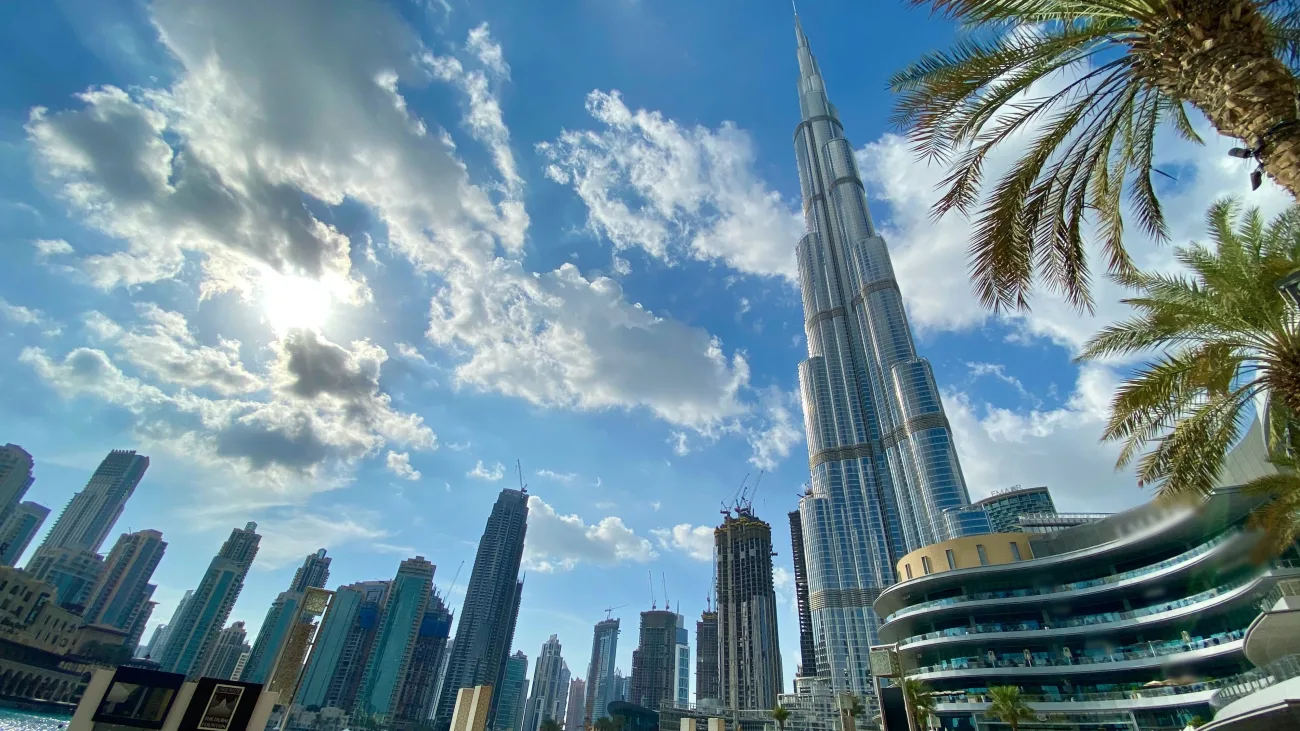
The Dubai real estate market is known for its dynamism and resilience, and predictions for its future trends indicate continued growth and opportunity. Here are some key predictions for the Dubai real estate market in the coming years:
1. Continued Price Appreciation
- Moderate Growth: After a period of stabilization, property prices in Dubai are expected to continue appreciating, driven by increased demand from both local and international buyers. This growth may be particularly strong in prime locations.
- Luxury Market Resilience: The luxury segment is predicted to see significant demand, particularly from high-net-worth individuals seeking premium properties.
2. Increased Demand for Rental Properties
- Rising Rental Yields: With a growing expatriate population and tourism, rental demand is expected to rise, leading to improved rental yields, especially in well-located residential and commercial properties.
- Short-Term Rentals: The popularity of platforms like Airbnb is likely to continue driving demand for short-term rental properties, particularly in tourist hotspots.
3. Focus on Sustainability and Smart Living
- Green Developments: There will be an increasing emphasis on sustainable building practices and eco-friendly developments, aligning with global trends and the UAE’s commitment to sustainability.
- Smart Technology Integration: Properties incorporating smart home technologies and advanced amenities are expected to attract buyers, reflecting a growing preference for tech-savvy living environments.
4. Government Initiatives and Regulations
- Investor-Friendly Policies: The Dubai government is likely to continue implementing policies to attract foreign investment, such as the Golden Visa program and various incentives aimed at increasing transparency and investor confidence.
- Real Estate Regulatory Enhancements: Ongoing improvements in regulatory frameworks by the Real Estate Regulatory Agency (RERA) will enhance market stability and investor protection.
5. Infrastructure Development
- Transportation and Connectivity: Continued investments in infrastructure, including new metro lines, roads, and airports, will enhance connectivity and accessibility, positively impacting property values.
- Expo 2020 Legacy: The legacy of Expo 2020 is expected to drive long-term economic growth and urban development, further boosting real estate demand.
6. Emergence of New Developments
- New Projects: A pipeline of new residential and commercial developments, especially in emerging areas like Dubai South and Mohammed Bin Rashid City, will create fresh investment opportunities.
- Mixed-Use Developments: There will be a rise in mixed-use developments that integrate residential, commercial, and leisure spaces, catering to the demand for community-focused living.
7. Increased Foreign Investment
- Global Interest: Dubai is expected to remain a hotspot for foreign investors seeking safe-haven assets, particularly in light of geopolitical uncertainties in other regions.
- Diverse Investor Base: The diversity of the investor base is likely to expand, with increased interest from markets like India, Europe, and Southeast Asia.
8. Technological Advancements in Real Estate
- Proptech Growth: The adoption of technology in real estate transactions (Proptech) will streamline processes, enhance transparency, and improve the overall experience for buyers and investors.
- Virtual Tours and Blockchain: Innovations like virtual property tours and blockchain technology for property transactions will gain traction, making it easier for remote investors to engage with the market.
Conclusion
The Dubai real estate market is poised for growth, driven by various factors including government initiatives, infrastructure development, and an increasing focus on sustainability. Investors should remain informed about market trends, conduct thorough research, and consider both opportunities and risks when investing in this vibrant market.