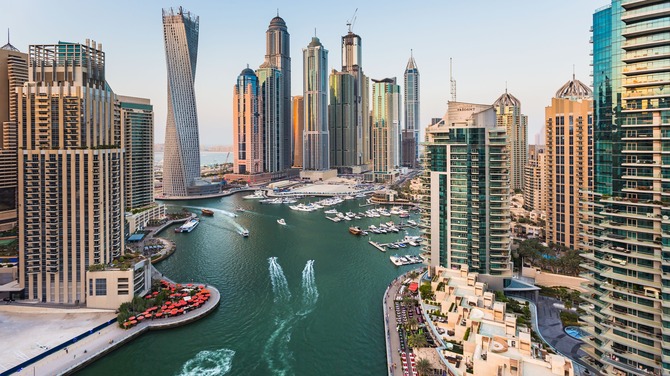
Investing in Dubai's real estate market can be lucrative due to its rapid growth, modern infrastructure, and strategic location. Here are some key strategies to consider for real estate investment in Dubai:
1. Identify Growth Areas
- Emerging Locations: Focus on areas with upcoming developments and infrastructure projects, such as Dubai South, Dubai Creek Harbour, and Mohammed Bin Rashid City.
- Established Areas: Consider well-established areas like Downtown Dubai, Dubai Marina, and Palm Jumeirah, which offer higher rental yields and strong capital appreciation.
2. Residential vs. Commercial
- Residential Properties: These include apartments, villas, and townhouses. They generally offer stable rental income and high occupancy rates.
- Commercial Properties: Investing in office spaces, retail shops, and warehouses can provide higher rental yields but may come with higher vacancy risks.
3. Off-Plan vs. Ready Properties
- Off-Plan Properties: Buying off-plan (under construction) can offer significant discounts and flexible payment plans. However, this comes with the risk of project delays.
- Ready Properties: These can be rented out immediately, generating instant rental income. They also offer the advantage of viewing the finished product before purchase.
4. Short-Term vs. Long-Term Rentals
- Short-Term Rentals: With platforms like Airbnb, short-term rentals can offer higher returns compared to traditional long-term rentals, especially in tourist hotspots.
- Long-Term Rentals: These provide stable, consistent income and lower management hassles.
5. Luxury vs. Affordable Segments
- Luxury Properties: High-end properties in prime locations attract high-net-worth individuals and can offer substantial capital appreciation.
- Affordable Housing: There's a growing demand for affordable housing, which can provide steady rental income and cater to a broader market segment.
6. Diversification
- Spread investments across different types of properties (residential, commercial, mixed-use) and various locations to mitigate risks and maximize returns.
7. Financing Options
- Take advantage of favorable mortgage rates and financing options available for both residents and non-residents. Ensure to understand the terms and conditions thoroughly.
8. Legal and Regulatory Framework
- Stay informed about Dubai's real estate laws and regulations, such as the Real Estate Regulatory Agency (RERA) guidelines, property registration procedures, and the implications of the freehold vs. leasehold properties.
9. Market Trends and Analysis
- Keep abreast of market trends, such as supply-demand dynamics, rental yields, and occupancy rates. Utilize market reports and data from real estate agencies and consultants.
10. Property Management
- Consider hiring a professional property management company to handle tenant relations, maintenance, and rent collection, ensuring a hassle-free investment experience.
11. Tax Considerations
- Understand the tax implications of your investment, both in Dubai and in your home country, to optimize your returns and comply with tax regulations.
By implementing these strategies, you can make informed decisions and maximize your returns from real estate investments in Dubai.