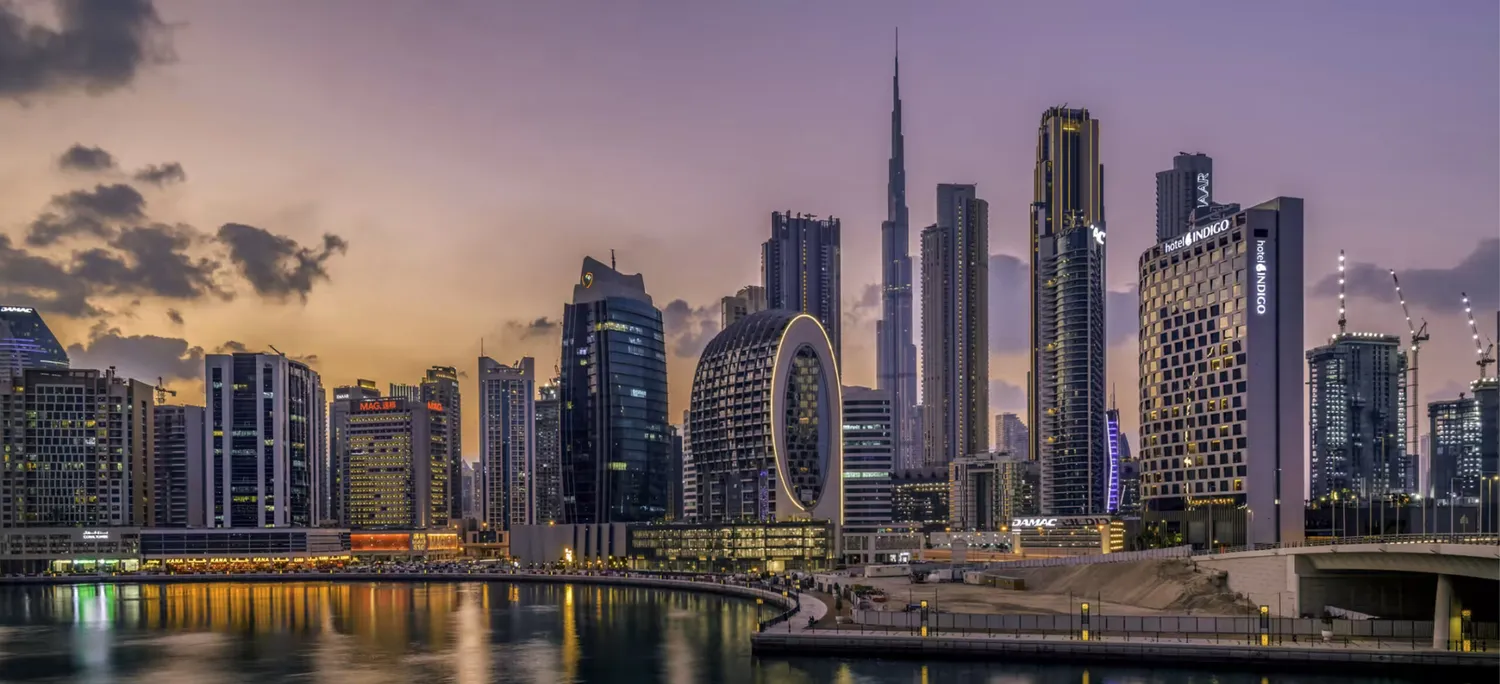
Dubai’s real estate market has shown consistent growth over the years, driven by various factors that make it a lucrative destination for investors. Here's an overview of the key factors contributing to Dubai's real estate market growth:
1. Resurgence Post-Pandemic
- Recovery and Resilience: After a brief slowdown during the pandemic, Dubai’s real estate market rebounded quickly, with property transactions hitting record highs in 2021 and 2022. Both luxury and affordable segments have witnessed strong growth.
- Increased Demand: Many people, particularly high-net-worth individuals, have relocated to Dubai due to its effective handling of the pandemic, open business environment, and the lifestyle it offers.
2. Expo 2020 Legacy
- Economic Boost: Expo 2020, which was held in 2021-2022, brought global attention to Dubai, boosting tourism, infrastructure, and business investments. This event fueled demand for both commercial and residential properties.
- Expo 2020 District: The development of Dubai South, an emerging area around the Expo site, has attracted investor interest. Projects in the vicinity are expected to grow in value due to ongoing development and government support.
3. Government Reforms and Investor-Friendly Policies
- Visa Reforms: Dubai introduced long-term visas, including the Golden Visa, which allows investors to gain residency through real estate investments. This has attracted foreign investors to the market.
- Property Ownership for Foreigners: Foreigners can purchase properties in designated freehold areas. The government has expanded these areas, offering more opportunities for foreign ownership.
- Regulatory Stability: Dubai’s government has continuously introduced reforms to increase transparency and regulate the market, boosting investor confidence. The Dubai Land Department (DLD) and RERA ensure clear laws that protect buyers and sellers.
4. Booming Luxury Market
- High-end Properties: Luxury real estate has surged in demand, particularly in areas like Palm Jumeirah, Downtown Dubai, Dubai Hills, and Emirates Hills. Dubai has become a preferred destination for wealthy individuals seeking second homes or investment properties.
- Ultra-Luxury Sales: Dubai recorded numerous multi-million-dollar transactions, especially in the villa and penthouse segments, attracting buyers from Europe, Asia, and the Middle East.
- Branded Residences: The trend of branded residences (properties associated with high-end brands like Armani, Bvlgari, or Versace) is growing in Dubai, making it a hub for ultra-luxury living.
5. Affordable Housing and Off-Plan Projects
- Increased Supply of Affordable Housing: Areas like Jumeirah Village Circle (JVC), Dubai South, and Dubailand offer affordable property options for both residents and investors. These areas have shown substantial demand due to attractive pricing and potential for rental income.
- Off-Plan Investments: Off-plan properties (those sold before construction is complete) continue to attract investors due to lower prices and flexible payment plans offered by developers. Many developers, like Emaar and Damac, offer incentives, making these projects highly attractive to both local and international investors.
6. Infrastructure Development
- World-Class Infrastructure: Dubai is renowned for its cutting-edge infrastructure, from the extensive metro network to world-class airports, highways, and business hubs. This continued investment in infrastructure supports the growth of the real estate market.
- Upcoming Mega Projects: Developments like Dubai Creek Harbour, Bluewaters Island, and the ongoing expansions around Expo City are driving property demand, as they are creating new urban centers and lifestyle destinations.
7. Growing Rental Market
- High Rental Yields: Dubai offers one of the highest rental yields globally, with some areas offering up to 8% returns. This makes it attractive to both investors and expats.
- Rising Demand from Expats: With a large expatriate population (approximately 85% of Dubai's residents), the demand for rental properties remains strong, especially in popular residential areas like Dubai Marina, Downtown Dubai, and Jumeirah Lake Towers (JLT).
8. Sustainability and Green Initiatives
- Sustainable Developments: As sustainability becomes a global priority, Dubai is aligning with this trend by developing eco-friendly projects. Sustainable City and Dubai Hills are examples of green communities that cater to environmentally conscious investors.
- Energy Efficiency: Government initiatives to promote sustainable construction, energy-efficient buildings, and solar-powered homes have added to the market's appeal.
9. Increased Global Connectivity
- Strategic Location: Dubai’s geographic location makes it a strategic hub between Europe, Asia, and Africa. Its world-class airports and ports enhance its appeal as a global business and tourism hub, increasing real estate demand for both commercial and residential properties.
- Growing Population: Dubai’s population continues to grow, driven by job opportunities, quality of life, and the city's status as a safe and attractive place to live. More residents mean more demand for housing, fueling the real estate market.
10. Investor Confidence and Economic Diversification
- Diversified Economy: While real estate, tourism, and trade are pillars of Dubai’s economy, the government is diversifying into sectors like technology, renewable energy, and finance. This economic growth positively impacts real estate.
- Stable and Safe Investment Environment: Dubai has positioned itself as a secure investment destination, attracting buyers from around the world seeking a stable economy, safe environment, and tax advantages.
Future Outlook:
- The Dubai real estate market is expected to continue growing steadily due to ongoing government reforms, increased demand for luxury and affordable properties, and investor-friendly policies. The market’s resilience and ability to attract global investors indicate strong prospects for long-term growth.