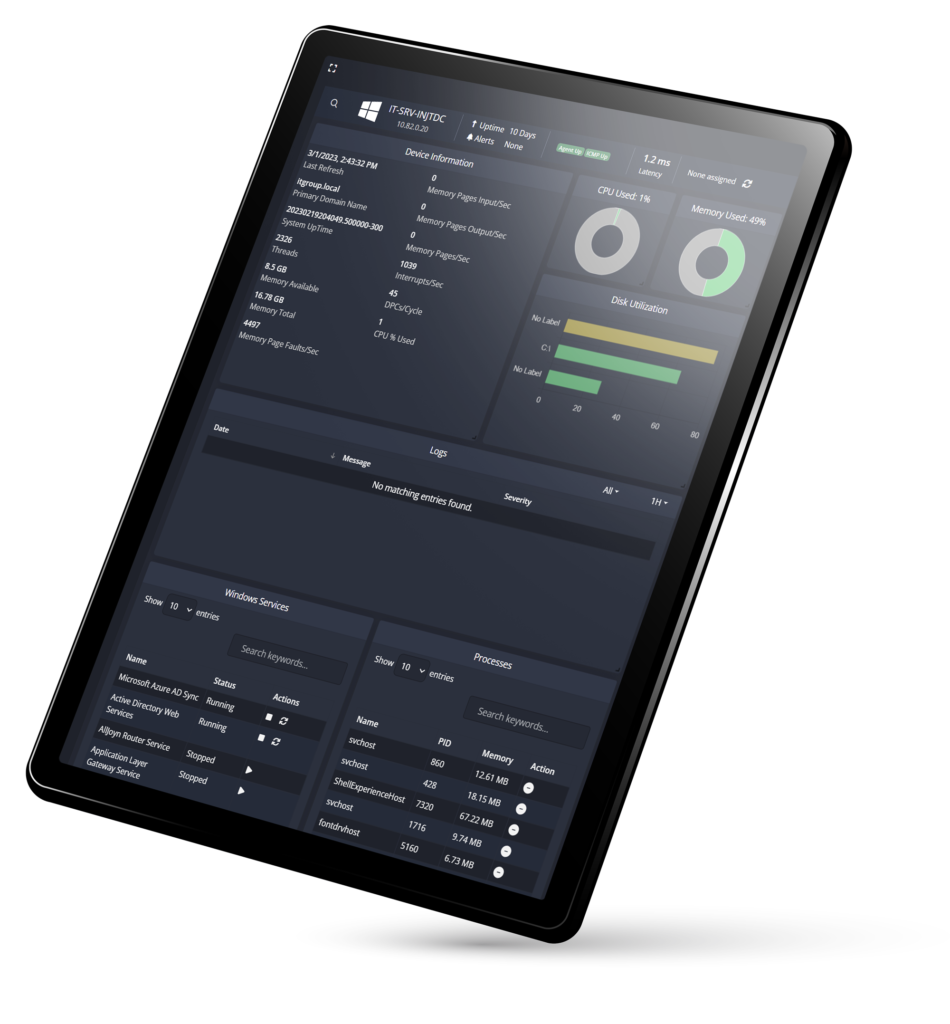
Network monitoring is a crucial component of managing and sustaining an organization's IT infrastructure in the connected world of today.
The correct network monitoring software can make all the difference, whether you're in charge of a small company network or a large enterprise system. But what characteristics distinguish the top network monitoring programs?
In this blog post, we'll examine the essential qualities that set top-tier Network Monitoring Toolsapart and guide you toward a well-informed decision.
[1] Real-time Monitoring
Real-time insights into your network's performance are one of the most important features of the best network monitoring tools. It should continuously collect and analyze data, offering instant alerts when issues are detected.
Real-time monitoring enables IT professionals to proactively address problems before they escalate, minimizing downtime and ensuring a smooth user experience.
[2] Scalability
Networks grow and evolve over time, and your monitoring solution should be able to keep pace. The best network monitoring software is scalable, allowing you to add new devices, expand your network, or monitor additional locations without significant reconfiguration or investment in new tools.
Scalability ensures that your monitoring solution remains effective as your organization grows.
[3] Customization and Flexibility
Each organization has specific monitoring needs. The most effective network monitoring tools enable customization and flexibility for building dashboards, reports, and alarms.
To ensure that you can concentrate on the metrics and data that are most important to your organization, it should allow you to customize the monitoring solution to your particular needs.
[4] Historical Data and Reporting
In addition to real-time monitoring, the best network monitoring software stores historical data and offers robust reporting capabilities.
Being able to analyze past performance trends is essential for making informed decisions, identifying long-term issues, and planning for future network upgrades or optimizations.
Look for software that provides detailed historical data and customizable reporting options.
[5] Security and Compliance
Security is paramount in today's digital landscape. The best network monitoring software should include security monitoring features to detect and respond to potential threats.
Additionally, it should assist with compliance by providing reporting and auditing capabilities to ensure that your network adheres to industry standards and regulations.
[6] Integration Capabilities
The best network monitoring software should seamlessly integrate with other IT management tools and systems. Integration capabilities allow you to streamline workflows, share data across platforms, and centralize your IT operations.
Common integrations include ticketing systems, configuration management tools, and cloud services.
Conclusion
It is true that selecting the right network monitoring tools is crucial for maintaining a healthy and secure network infrastructure. Look for real-time monitoring, scalability, and all of the factors mentioned above. Prioritizing these characteristics will ensure efficient network management, reducing downtime, enhancing productivity and getting the best outcomes.
Andrew Michael is the author of this article. For more details about Syslog Monitoring please visit our website: netmon.com