From air quality to water quality, environmental monitoring plays a crucial role in safeguarding our planet and ensuring a sustainable future. Monitoring environmental factors, including air quality, water levels, and temperature changes, this process plays a key role in maintaining the health and safety of ecosystems, human populations, and the planet. In this blog post, we are going to discuss what makes environmental monitoring so important and what role it plays in mitigating contemporary environmental issues.
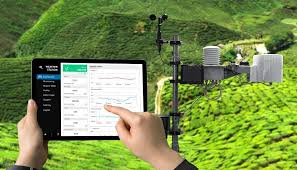
Environmental monitoring is the process of tracking data from the natural environment. This consists of tracking airborne, waterborne and soil pollutants, and changes in the climate. High-quality, consistent data enables scientists, governments, and organizations to know how the environment is changing, how it will affect human life, and how to address the problem. For instance, tracking air quality levels can inform pollution trends, which is important for controlling health threats including asthma and lung disease.
One of the main benefits of environmental monitoring is its contribution to identifying potential threats to ecosystems. For example, by monitoring water quality, one can sense dangerous levels of contaminating constituents even before irreversible damages to aquatic life may take place. Likewise, monitoring deforestation, shifts in biodiversity, and soil degradation aids in protecting natural habitats and makes certain that raw materials are developed sustainably.
In addition, environmental monitoring assists climate change research. As global temperatures increase, it’s important to monitor changes in many environmental indicators to understand how climate change is affecting local weather patterns, sea levels and ecosystems. Accurate monitoring enables improved preparedness and response, be it in terms of developing drought-resistant crops or reinforcing coastal defenses against rising seas.
Environmental monitoring goes beyond the preservation of ecosystems. It is also critical to public health. Continuous air quality monitoring, for instance, can help identify pollution sources and trends. This data enables cities to enforce regulations that reduce harmful emissions from vehicles and industrial plants, thereby improving public health outcomes. Environmental monitoring in cities also allows the detection of dangerous substances in local water supplies, preventing large-scale contamination.
This is increasingly crucial as environmental challenges continue to proliferate, making investment in advanced monitoring technologies all the more necessary. But there are newer innovations, from satellite imaging to IoT-based sensors that provide more accurate and real-time data. Utilizing these tools in conjunction with government policy, private industry and research projects will allow us to take a proactive approach to tackling important environmental problems.
To sum up, environmental monitoring plays a crucial role in protecting the earth and our well-being. It gives us critical data to protect ecosystems, battle climate change, and enhance public health. As tech continues to advance, implementing a holistic monitoring system becomes critical to fulfilling the demands of our ever-evolving landscape.
Travis James is the author of this article. For more details about Sensors please visit our website: enviromon.net