One wrong choice can turn your dream trek into a series of hard lessons
Overconfidence Can Backfire
I thought I was prepared. I had a detailed map, a loaded backpack, and enough confidence to take on the Everest Base Camp Trek alone. But once I left Lukla and started walking toward Namche Bazaar, I realized that no amount of research prepares you for the real trail.
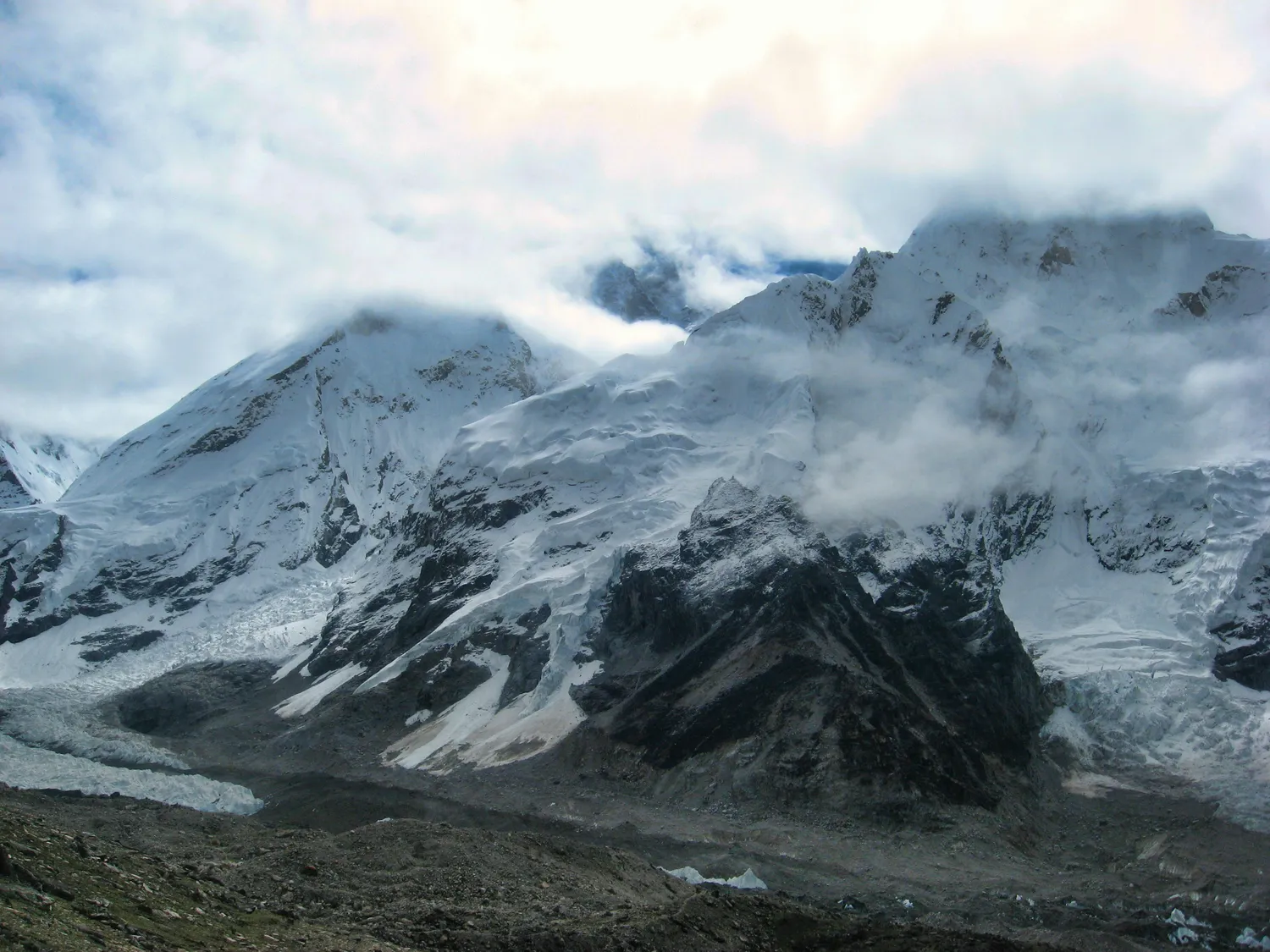
Doing this trek without a guide means you're completely on your own from day one. If you’re not used to altitude, terrain, or unpredictable weather, things can become hard fast. I saw people turning back due to exhaustion and headaches. Some didn't even reach Namche.
Altitude Sickness Hits Hard
One of the most common problems on the Everest trail is altitude sickness. Without a guide, it’s easy to ignore the early signs. I started feeling dizzy around Tengboche, but I kept walking. I thought it was just tiredness. That mistake almost made me descend from Dingboche before even getting close to the base camp.
Guides are trained to spot the early signs of altitude-related issues. They adjust your pace, make sure you rest, and even suggest tea houses that are better suited for acclimatization. Without that support, I was just guessing and hoping I was doing the right thing.
Navigation Isn’t Always Simple
Many blogs say the EBC route is straightforward. And yes, the main trail is clear in most parts. But in bad weather or early snow, visibility drops and things get confusing. I took a wrong turn after Lobuche and walked two extra hours before realizing my mistake. That extra effort drained me right before the final stretch.
A guide avoids this kind of unnecessary trouble. They know where to stop, when to push, and how to plan each day based on your condition. When you’re alone, every wrong turn costs energy you can’t afford to waste at high altitude.
Logistics Will Wear You Down
On paper, booking lodges and food along the trail sounds simple. But during peak season, lodges from Namche to Gorak Shep fill up fast. Without a guide to call ahead, I once had to share a room with four strangers in Pheriche. In another place, I had to sleep in the dining hall.
Food choices are another issue. Some lodges serve poorly prepared meals during rush hours. A guide usually knows where the quality is better and helps you avoid stomach issues, which are common among trekkers.
No Backup When Things Go Wrong
One of the hardest moments for me was near Gorak Shep. The weather suddenly changed. It snowed. I had no crampons, and my boots were soaked. I had no one to ask for advice. That night, I felt sick, cold, and worried. I wanted to quit. That’s when I realized how much easier things would have been if I had someone experienced by my side.
Guides not only help you in emergencies but also carry basic medical kits. They act fast when needed. I met a group with a guide who helped them avoid staying in dangerous zones during poor weather. That kind of support makes a huge difference when you’re tired, cold, and unsure.
You Miss the Local Connection
The Everest region is more than just a trail. The Sherpa culture, monasteries, and old stories bring life to the mountains. Without a guide, I passed through villages without understanding what I was seeing. A guide brings meaning to the journey, not just direction.
You get to hear stories about Everest climbs, legends of the Khumbu region, and local customs. That makes the experience richer and more personal.
Final Words
Everest Base Camp Trek is not just a walk to a mountain base. It’s a test of your body, mindset, and preparation. Doing it without a guide might sound exciting or budget-friendly, but the hidden struggles are real. You risk getting lost, sick, and overwhelmed.
I learned it the hard way. If you truly want to enjoy the trek, connect with the culture, and stay safe, a guide is not just helpful—it’s necessary.