Going solo on Yala Peak may sound adventurous, but it can turn into a real struggle without the right support.
Yala Peak climbing is one of the most popular beginner-friendly peaks in Nepal. Located in the Langtang region, it stands at an altitude of 5520 meters. Many climbers, like me, are drawn to it for its accessibility and the chance to experience real Himalayan climbing. I thought I could handle it without hiring a guide. But that decision came with several unexpected lessons.
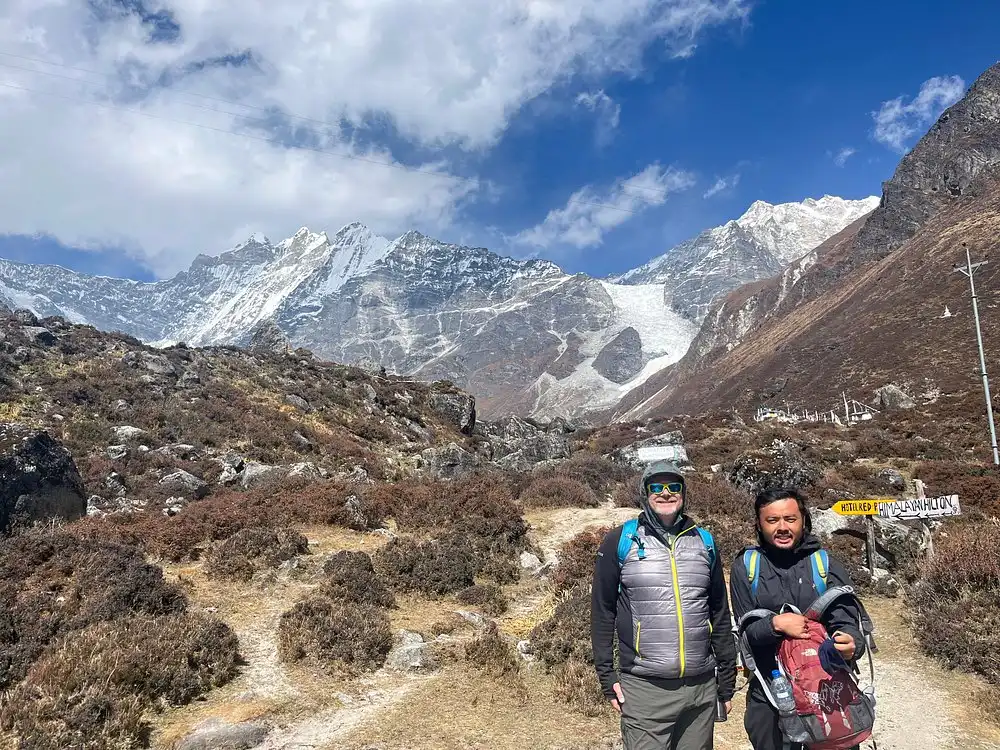
Lost in the Details Before the Trek Even Started
Planning everything on your own sounds like freedom. But as I started looking for the permits, route details, transportation, and accommodation options, I realized how many small things need attention.
TIMS card, climbing permit, local registration in Syabrubesi all were unfamiliar to me. I had to spend extra days in Kathmandu just to figure out which office to visit and which documents to carry. A guide would have saved time and handled it in hours.
Reaching Kyanjin Gompa Was Just the Start of Confusion
The trail to Kyanjin Gompa is well-marked, so I had no issues reaching there. But the real challenge started when I had to prepare for the summit push. There are no clear signboards from Kyanjin Gompa to the Yala Base Camp. I followed what I thought was the right trail but ended up off-track twice.
Local people tried to help, but due to the language barrier, I couldn’t always understand them clearly. It made me realize how important a guide is—not just for direction, but also for translating and interacting with locals.
Altitude Hit Me Harder Than I Expected
I had trekked before, but never above 5000 meters. I thought I was fit enough. But at Yala Base Camp, I started feeling weak, had trouble sleeping, and a mild headache followed me all night. I didn’t know if it was a normal symptom or the start of altitude sickness.
A guide would have easily spotted the signs and known what to do. Being alone, I spent the night unsure, and it almost made me cancel my summit attempt.
The Climb to the Summit Wasn’t Easy Without Technical Help
Yala Peak is a non-technical climb on paper, but it still involves walking on snow, using ropes, and wearing crampons. I rented the gear, but I had never used a harness or ice axe properly before. I wasted time figuring it out by watching videos on my phone, but it wasn’t the same as hands-on guidance.
During the summit push, the trail wasn’t clear. Without a guide to break the route and set a steady pace, I moved slowly and got tired quickly. If weather conditions had changed, I wouldn’t have known what to do.
Coming Down Was No Relief
Descending without a guide was another challenge. Fatigue, slippery patches, and unclear markings made it feel longer than going up. At one point, clouds rolled in, and visibility dropped. I had no one to ask for help, and that was when I felt the most alone on the mountain.
What I Learned from Climbing Yala Peak Without a Guide
Climbing without a guide might sound exciting, but it often leads to stress, confusion, and unnecessary risks. Especially for first-time climbers or those without technical experience, going solo can turn an easy peak into a tough challenge.
A guide not only helps with logistics but also becomes a safety backup, a motivator, and a bridge between you and the local culture. I managed to reach the summit, but I know it would have been safer and much more enjoyable with a guide beside me.
Final Thoughts
If you are thinking about Yala Peak climbing, I suggest not underestimating it. It may not be the hardest peak in Nepal, but without guidance, even small mistakes can lead to big problems. Hire a guide, trust their experience, and you’ll get more out of your journey than just the summit.