The Tsum Valley Trek is a less-traveled trail in Nepal that offers raw Himalayan culture, peaceful villages, and serious adventure. But it’s not as easy as it looks.
Tsum Valley is a remote part of the Manaslu region. Not many trekkers go there, which makes it a peaceful trail. It lies close to the Tibetan border and is home to ancient Buddhist culture, hidden caves, and kind-hearted locals who still live the way their ancestors did. The views are wild and raw, the air is fresh, and the experience is far from touristy. But before you pack your bag, let’s talk honestly about what makes this trek different and difficult.
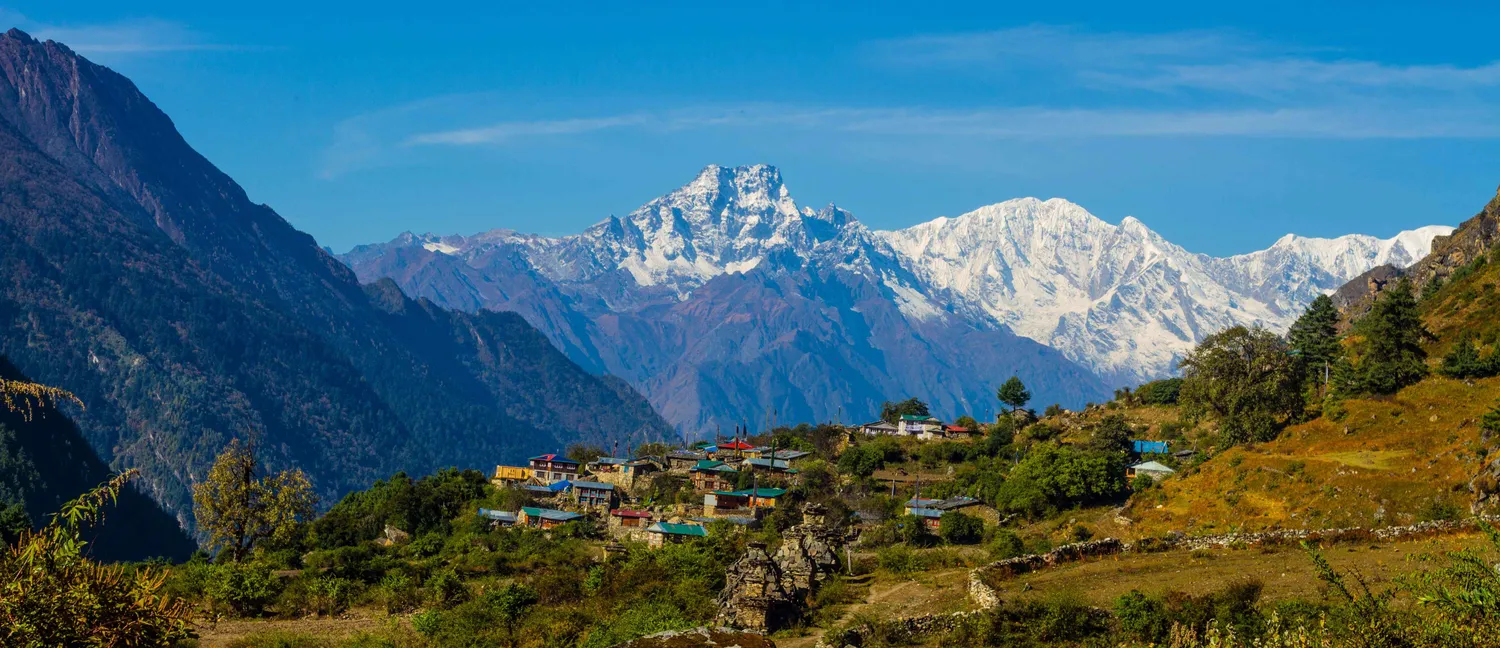
What Makes Tsum Valley Special
This trek takes you into one of the last untouched Himalayan valleys. The culture is very Tibetan. You’ll see prayer wheels, stone walls carved with mantras, and old monasteries that feel frozen in time. The locals speak their own dialect and follow deep-rooted traditions. You walk through pine forests, deep gorges, quiet villages, and wide meadows. If you’re lucky, you might spot a blue sheep or even a Himalayan vulture circling above.
Let’s Talk About the Real Challenges
This trek may not be the highest, but it’s not a walk in the park either. The Tsum Valley Trek has its own set of difficulties that every guide and trekker should be aware of. Here’s what you need to know:
1. It’s Long and Remote
The whole trek takes around 16 to 20 days, depending on your pace. The trail starts from a village called Machha Khola, and from there, you go deep into remote mountain land. There are no roads beyond a certain point. If something goes wrong, help won’t come quickly. It’s important to have a guide, carry a first aid kit, and stay connected with your team.
2. The Trails Are Not Always Easy
Unlike the Everest or Annapurna trails, Tsum Valley is less developed. Some parts are steep and slippery. Landslides can block the path, especially during or after the monsoon. You’ll cross suspension bridges, narrow ridges, and forest trails where leeches are common in rainy months. Good boots and a strong mindset are a must.
3. Limited Teahouse Facilities
Don't expect fancy rooms or menu choices. The teahouses here are simple and run by local families. You might not get hot showers or phone signal every day. Food is mostly dal bhat, Tibetan bread, tsampa (roasted flour), and sometimes noodle soup. It’s warm and filling, but it gets repetitive. Carrying a few snacks or instant meals is a smart idea.
4. Altitude Can Hit Hard
You’ll go above 3,700 meters in the upper parts of the valley. That is high enough for altitude sickness to kick in. It doesn’t matter if you’re fit. You need to walk slow, drink lots of water, and give your body time to adjust. Spend at least one extra night to acclimatize. If headaches or nausea show up, take them seriously.
5. The Cold Is Real
Nights get cold, especially after you reach Chhekampar and Nile villages. In winter, temperatures drop below freezing, and even in spring or autumn, mornings can be icy. Carry a warm sleeping bag and enough layers to stay comfortable. Don’t rely only on teahouse blankets.
When’s the Best Time to Go?
Spring (March to May) and autumn (September to November) are the best times. The skies are clearer, and the weather is stable. Monsoon (June to August) brings landslides and slippery trails. Winter (December to February) is harsh and not the best time unless you’re very experienced and well-prepared.
Is It Worth the Struggle?
If you want a quiet trail, deep cultural experience, and raw Himalayan beauty then yes, Tsum Valley is worth every step. But come prepared, both mentally and physically. It is not for comfort-seekers or first-timers. It’s for those who want something deeper than just mountain views a real connection with the land, the people, and maybe even with themselves.
Final Tip from a Guide:
Don’t rush it. Take your time to talk to locals, visit the monasteries, and feel the silence of the valley. The Tsum Valley Trek is less about checking off a destination and more about the slow journey itself. Just respect the land, the people, and your own limits.