Educational Trust Needs to Empower Poor Students
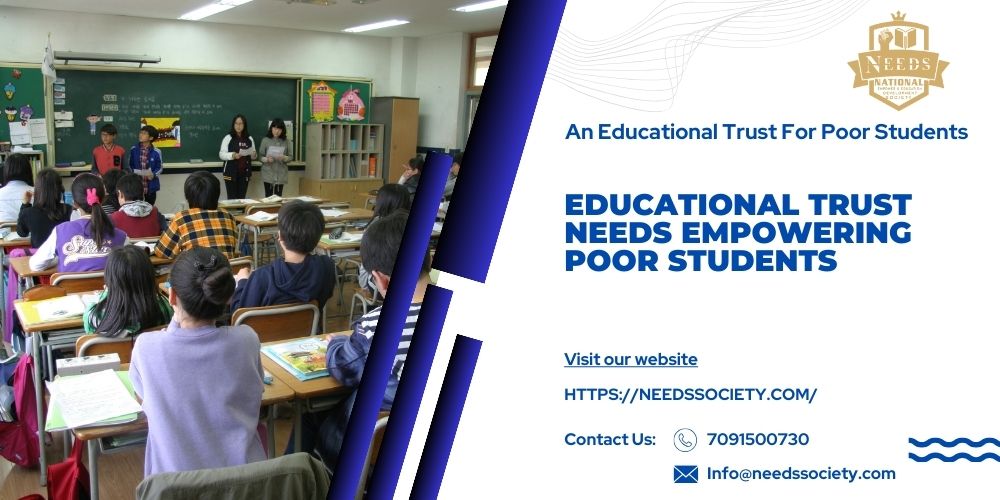
Educational inequality is a pervasive issue that hampers the potential of countless students worldwide. The disparity in access to quality education, particularly for poor students, creates a cycle of poverty that is difficult to break. This is where educational trusts come into play. They are pivotal in bridging the gap and offering opportunities to those in need. One such initiative, the NEEDs (National Empower and Educational Development Society) program, stands out in its mission to empower poor students.
Understanding Educational Trusts
Definition and Purpose
Educational trusts are non-profit organizations dedicated to supporting educational initiatives. Their primary purpose is to provide financial aid, resources, and opportunities to students who might otherwise be unable to afford education. By doing so, they aim to foster a more equitable educational landscape.
Historical Context
Historically, educational trusts have played a crucial role in promoting education for underprivileged communities. From funding scholarships to building schools in remote areas, these trusts have been instrumental in making education accessible to all.
The NEEDs Initiative
Introduction to NEEDs
NEEDs is an educational trust specifically designed to support poor students. It aims to break down barriers to education and create an environment where every child has the opportunity to learn and grow.
Objectives and Goals
The primary goal of NEEDs is to empower students through education. This includes providing financial assistance, academic resources, and personal mentorship. The initiative also focuses on holistic development, ensuring that students not only excel academically but also grow into well-rounded individuals.
Challenges Faced by Poor Students
Financial Barriers
One of the most significant challenges for poor students is the financial burden of education. Tuition fees, books, uniforms, and other related costs can be prohibitive for families with limited means.
Lack of Resources
In addition to financial constraints, poor students often lack access to essential educational resources. This includes everything from textbooks and school supplies to technological devices like computers and tablets.
Social and Cultural Challenges
Social and cultural factors can also impede the educational progress of poor students. Issues such as lack of parental support, societal expectations, and cultural norms can significantly affect a student's ability to succeed in school.
Note: Click to learn about Education courses for students
Role of Educational Trusts in Addressing Challenges
Financial Aid and Scholarships
Educational trusts like NEEDs provide scholarships and financial aid to cover tuition fees and other educational expenses. This financial support is crucial in allowing students to continue their education without undue financial stress.
Providing Resources and Materials
Beyond financial aid, educational trusts also ensure that students have access to necessary resources. This can include distributing textbooks, school supplies, and even technological devices to support digital learning.
Mentorship and Support Programs
Mentorship is another critical area where educational trusts make a significant impact. By pairing students with mentors, trusts provide guidance, support, and encouragement, helping students navigate academic and personal challenges.
How NEEDs Make a Difference
Unique Approaches
NEEDs employs several unique approaches to empower students. This includes personalized learning plans, community-based programs, and innovative teaching methods tailored to meet the specific needs of poor students.
Partnerships with Local Organizations
To maximize its impact, NEEDs collaborates with local organizations. These partnerships help in identifying students in need, providing localized support, and ensuring that the resources reach those who need them the most.
Community Involvement
Importance of Local Community Engagement
Engaging the local community is crucial for the success of educational trusts. Local involvement ensures that the programs are relevant and effective, as community members can provide valuable insights and support.
Volunteer Programs
Volunteer programs are an excellent way for community members to get involved. Volunteers can contribute their time and skills to mentor students, organize events, and support various initiatives run by the educational trust.
Educational Trusts and Policy Advocacy
Influencing Educational Policies
Educational trusts often play a role in advocating for policy changes that promote educational equity. By working with government agencies and other stakeholders, they can help shape policies that improve access to education for poor students.
Collaboration with Government Agencies
Collaboration with government agencies is essential for amplifying the impact of educational trusts. Such partnerships can lead to more comprehensive and effective educational programs and policies.
Technology and Education
Role of Technology in Education
Technology has become a vital tool in modern education. Educational trusts like NEEDs leverage technology to enhance learning experiences and provide students with access to digital resources.
Digital Learning Initiatives by NEEDs
NEEDs has implemented several digital learning initiatives, including online tutoring, virtual classrooms, and educational apps. These initiatives help bridge the digital divide and provide students with innovative learning opportunities.
Future of Educational Trusts
Trends and Predictions
The future of educational trusts looks promising, with trends pointing towards increased use of technology, greater community involvement, and more strategic partnerships. These trends will likely enhance the effectiveness and reach of educational trusts.
Expanding Reach and Impact
Expanding the reach and impact of educational trusts involves scaling up successful programs, replicating effective models, and continuously innovating to address emerging challenges in education.
Educational trust for Poor Students like NEEDs plays a crucial role in empowering poor students and breaking the cycle of poverty. By providing financial aid, resources, and mentorship, these trusts help create a more equitable and inclusive educational landscape. Your support, whether through donations or volunteering, can make a significant impact on the lives of these students and their communities. Let's work together to ensure that every child has the opportunity to succeed and thrive.