Steam coils remain an integral component of modern HVAC and industrial heating systems, providing steady thermal exchange & dependable performance even during turbulent conditions. With increased efficiency and longevity expectations for heating components in facilities, steam coils have advanced through material upgrades, improved tube layouts, and more precisely designed fins. These advancements enable the steam coils to provide consistent temperature control while minimizing strain on mechanical components.
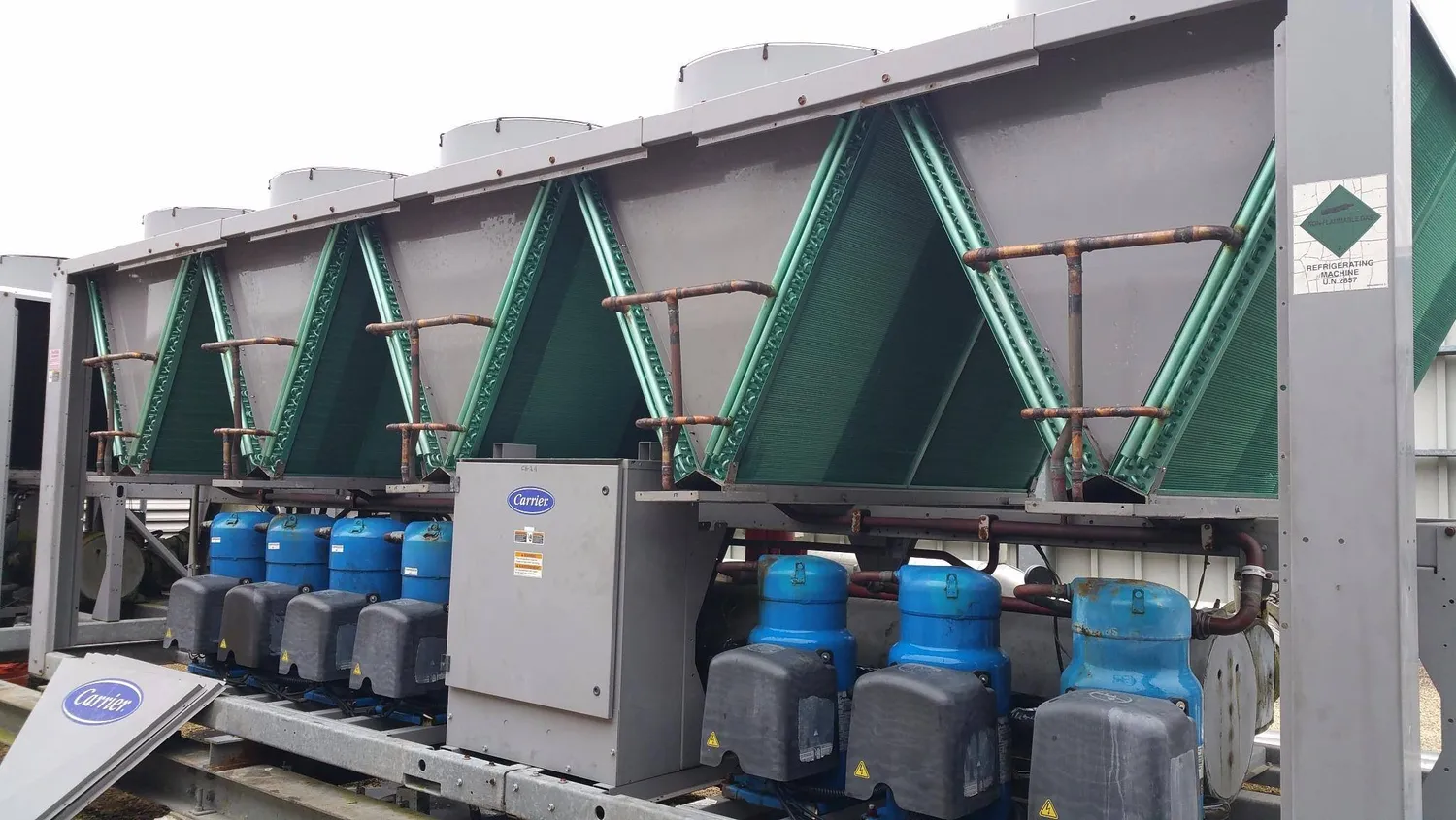
Understanding how steam coils work helps explain their importance in air handling units, process heaters, and other dehumidification systems and applications. These coils work by regulating the flow of steam through the tube work within the coil assembly to heat the air circulated through it. This process is highly dependent on tube diameter, fin density, header engineering, and material quality. High-quality copper and aluminum compounds are often chosen for their thermal conductivity and corrosion resistance. Properly applied steam coils have a quick response and even heat transfer over the entire face area.
High heat-transfer reductions due to scale formation, corrosion, or poor steam distribution are among the challenges many plants face. Inefficient or inferior-quality coils can be a source of energy loss and temperature fluctuations, and can cause equipment wear. That's why our engineered steam coils with special circuit patterns and rigid structural support provide an edge in preserving performance, even in harsh environments. The present designs also include trap packages and control valves to direct flow for removing condensate and improving steam utilization.
Choosing the right steam coil is essential for ensuring optimal performance, reliable operation, and long-term efficiency in any system. High-pressure systems will use reinforced tubing and robust welds, whereas low-pressure systems will tend towards a design with minimal flooding. In addition, the direction and slope of the coil affect how condensate drains to maintain effective heat transfer. Such reliability is more easily achieved with advanced construction methods that have become standard in the industry today and permit customer coil geometries.
Proper upkeep is just as important for steam coils to achieve optimal performance. Continuous checks, cleaning operations, and regular testing of traps and valves promote longevity in these components. Consistent is that facilities with preventive maintenance in place experience measurable improvements in energy efficiency, downtime reduction, and extended service intervals. In replacement situations, retrofit designs with in-stream coils allow new coils to be made to the same dimensions and capacity as the existing equipment, making installation easy.
In industrial and commercial processes where greater amounts of heating are required, the concept of steam points becomes more evident. The steam coils' service life should be several years, and they should operate efficiently. Engineered for superior performance, seamlessly integrated into systems, and built for long-lasting reliability and consistent efficiency. Although we concentrate heavily on providing properly designed tonnage that meets the building requirements rather than simply achieving a competitive price advantage to secure an order, performance is equally important. Their even temperature regulation capabilities also enable plants to save energy and ensure safe operation, especially in offices.
Matt Robinson is the author of this article. To know more about Custom HVAC coils manufacturing, please visit our website: nationwidecoils.com.