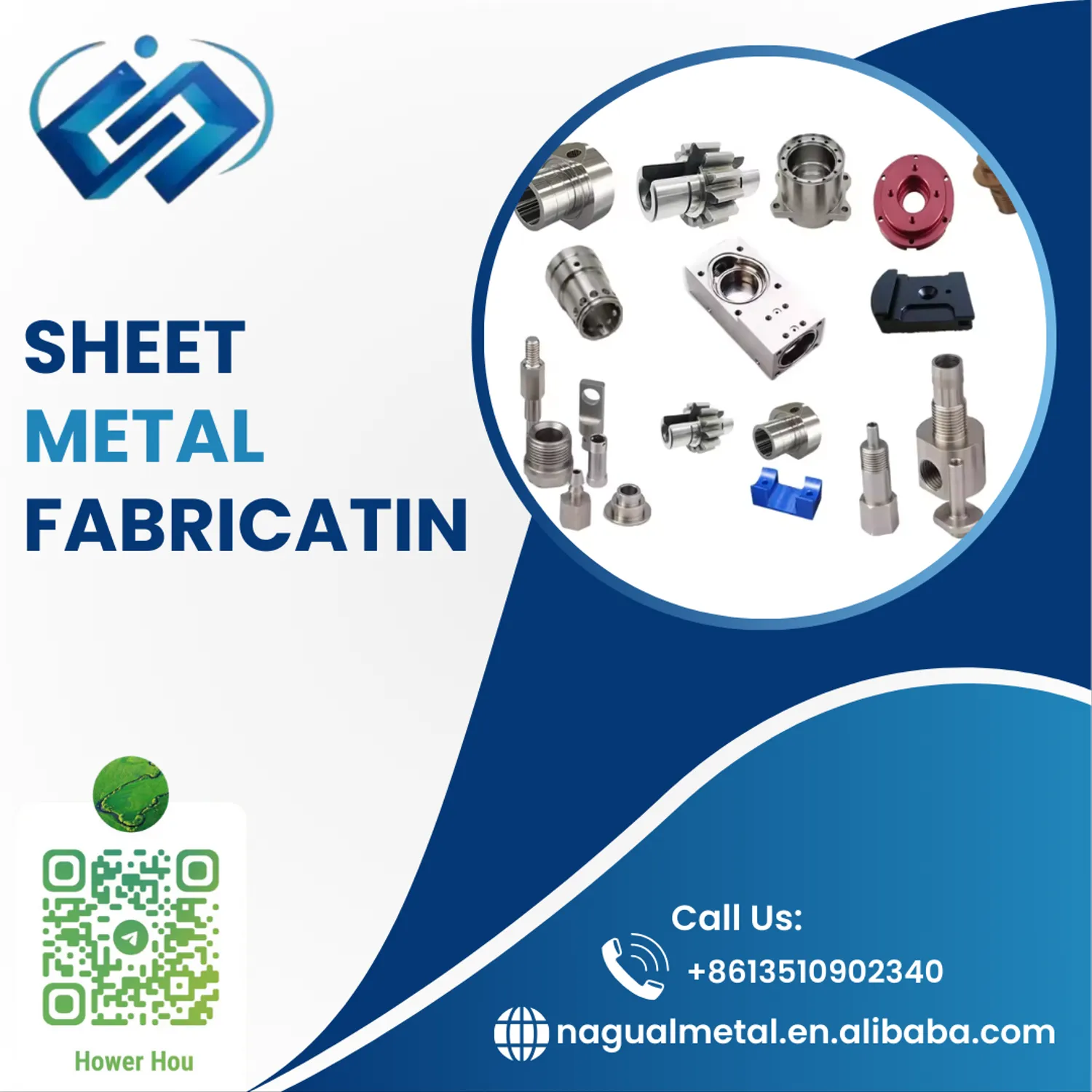
Sheet metal fabrication is a cornerstone of modern manufacturing, offering a versatile and efficient way to create a wide range of products across various industries. This process involves cutting, bending, and assembling flat metal sheets into different shapes and structures, making it essential for applications in automotive, aerospace, construction, and consumer goods.
One of the primary benefits of sheet metal fabrication is its flexibility. Using techniques such as laser cutting, water jet cutting, and CNC punching, manufacturers can achieve intricate designs and tight tolerances, ensuring each component meets exact specifications. This level of precision is crucial for industries that require high-quality and reliable parts, such as aerospace or medical devices.
The bending process, typically performed with press brakes, allows metal sheets to be formed into various angles and shapes. This is essential for creating structural components like brackets, frames, and enclosures, which are integral to many products and systems. The assembly phase involves joining different pieces together using welding, riveting, or adhesive bonding, resulting in a durable final product.
Sheet metal fabrication also offers significant cost benefits. The process is well-suited for both low and high-volume production runs, allowing manufacturers to scale operations according to demand. Additionally, advancements in automation have streamlined fabrication, reducing labor costs and production times.
In conclusion, sheet metal fabrication is a vital process in manufacturing, providing unmatched versatility, precision, and cost-effectiveness. Its ability to produce high-quality parts and products for various industries ensures its continued relevance in today’s competitive market, driving innovation and supporting a wide range of applications.