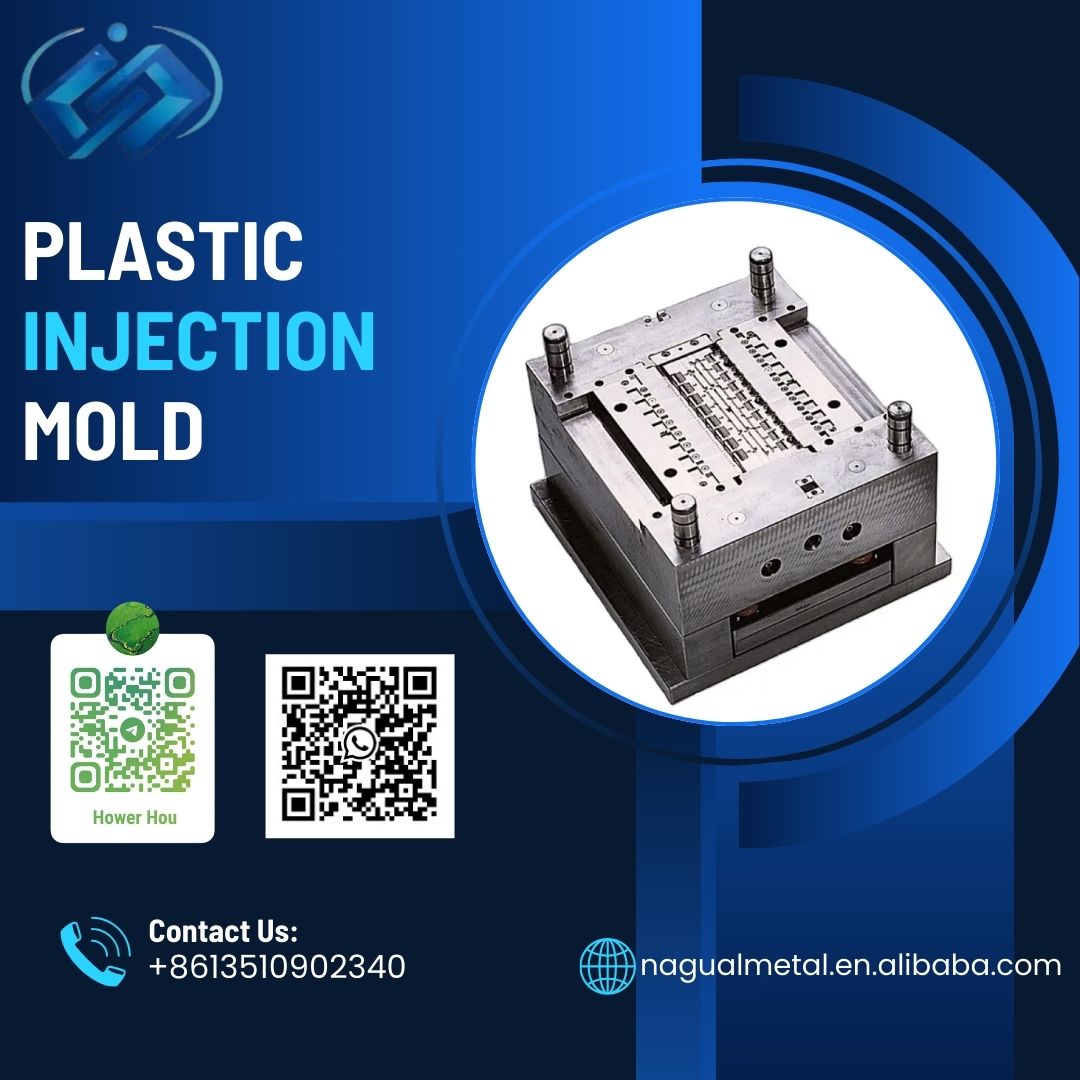
Plastic injection molding is a highly efficient manufacturing process that plays a vital role in producing a wide range of plastic parts and products used in everyday life. From automotive components to medical devices, consumer electronics, and packaging, injection molding is a preferred method for mass production due to its precision, speed, and cost-effectiveness.
The process begins with creating a mold, typically made from steel or aluminum, designed to match the exact specifications of the product. Plastic pellets are then heated until molten and injected into the mold cavity under high pressure. Once cooled, the mold opens, and the solidified part is ejected, ready for further use or assembly. This method allows for complex shapes and intricate details to be reproduced consistently.
One of the key advantages of plastic injection molding is its ability to produce parts with high precision and repeatability. It is ideal for large production runs, as the cost per unit decreases significantly when producing high volumes. Additionally, plastic injection molding works with various materials, from thermoplastics to advanced resins, giving manufacturers flexibility in choosing the right material for the product's application.
Another benefit is the reduction of material waste. Excess plastic can often be recycled and reused in subsequent production runs, making injection molding an environmentally friendly option.
In conclusion, plastic injection molding is an indispensable process in modern manufacturing. Its ability to produce high-quality, complex parts at scale, along with cost and material efficiency, ensures its continued importance across multiple industries.