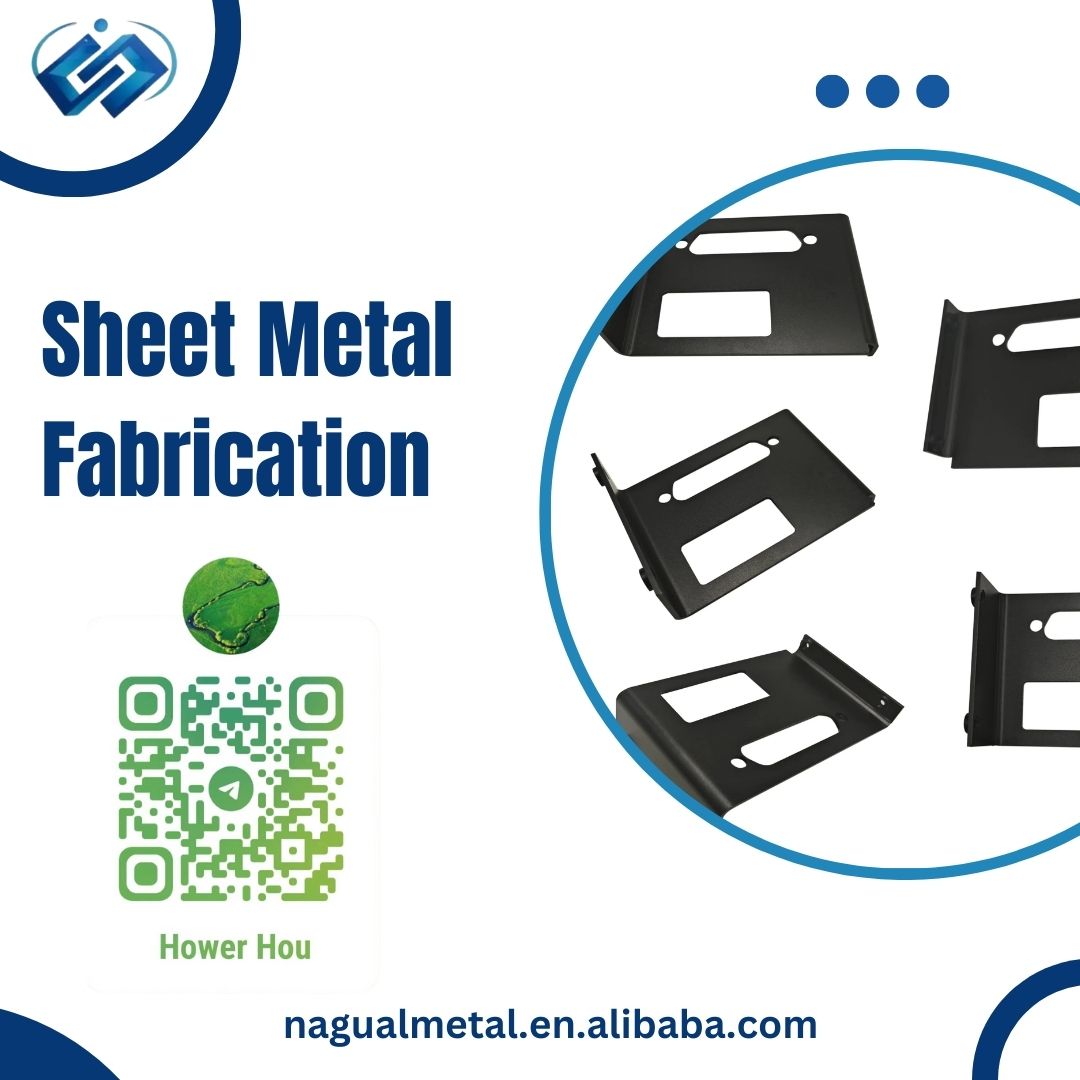
Sheet metal fabrication is a versatile and essential manufacturing process that involves transforming flat sheets of metal into functional components and structures. Widely used in industries such as automotive, aerospace, construction, and consumer goods, this process combines precision, durability, and scalability to meet diverse production needs.
What is Sheet Metal Fabrication?
Sheet metal fabrication encompasses various techniques, including cutting, bending, punching, welding, and assembly, to create custom metal parts. Materials like aluminum, stainless steel, and carbon steel are commonly used, offering strength and adaptability for a wide range of applications.
Key Advantages of Sheet Metal Fabrication:
- Durability: Fabricated metal components are known for their robustness, ensuring longevity even under harsh conditions.
- Precision: Advanced machinery, such as CNC cutting and laser tools, enables the creation of intricate designs with tight tolerances.
- Versatility: From prototypes to large-scale production, sheet metal fabrication accommodates projects of all sizes and complexities.
- Cost-Efficiency: Techniques like stamping and laser cutting minimize material waste and optimize production time, reducing overall costs.
Applications:
Sheet metal fabrication is vital for producing automotive parts, HVAC systems, enclosures for electronics, architectural elements, and much more. Its adaptability makes it a go-to choice for custom and large-scale projects alike.
Conclusion:
Sheet metal fabrication is integral to modern industry, providing a reliable and efficient way to create durable, precise, and cost-effective metal products. Its flexibility and adaptability ensure its continued relevance in diverse manufacturing sectors.