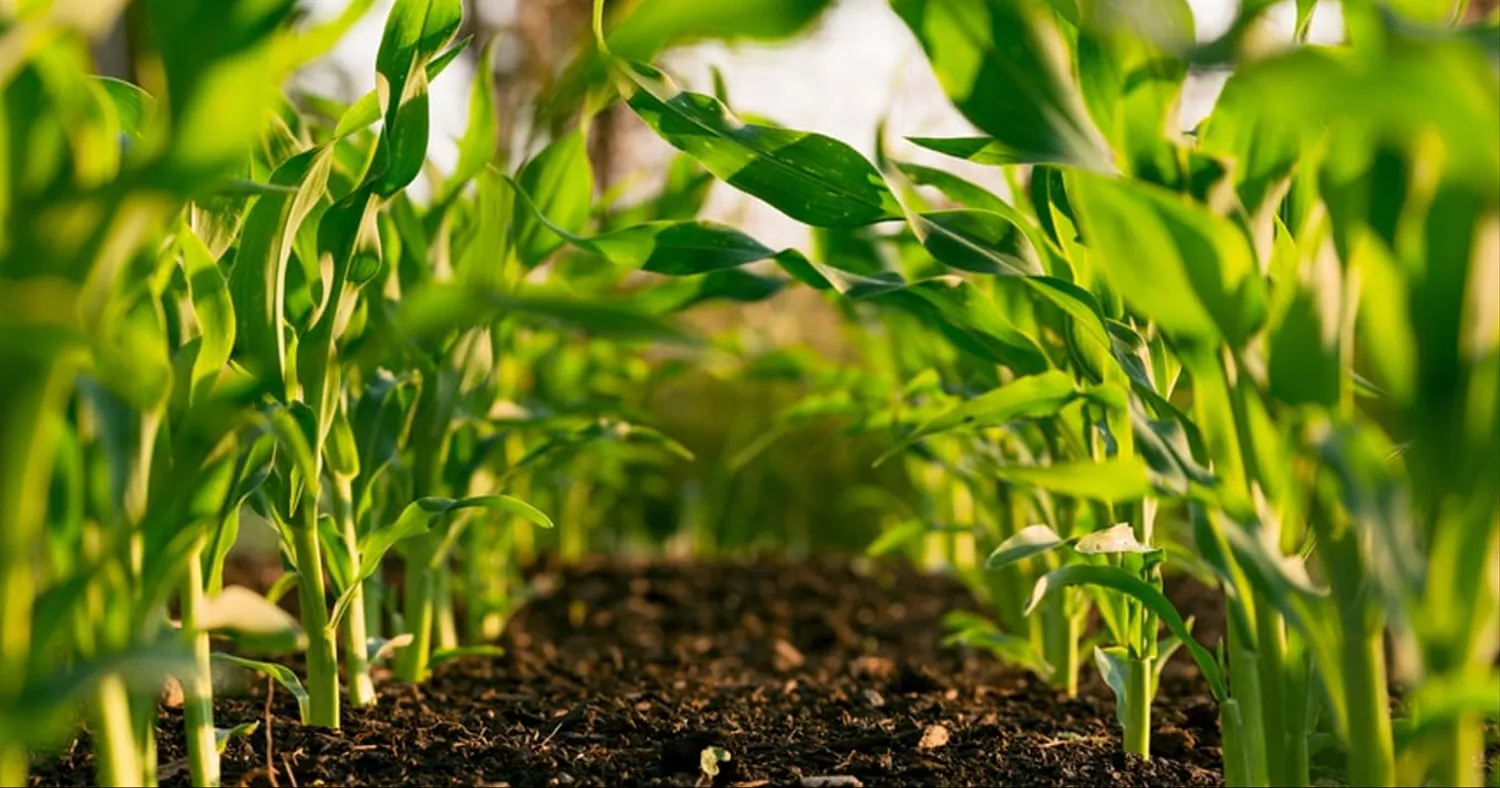
Organic gardening refers simply to the ecological, sustainable growth of plants, in natural ways, according to the natural conditions necessary for healthy soil and biodiversity, as well as empowering resilience in plants. In that way, organic gardening protects the environment from synthetic chemicals and fertilizers while improving the quality of food. Thus, the understanding of these fundamental principles will aid any gardener in maintaining a life-giving environment.
1. Building Healthy Soil
Soil is the foundation of organic gardening. Healthy soil abounds with beneficial microorganisms, earthworms, and organic material to nourish the plants. Organic gardeners improve the health of soil through
Composting: Composting consists of decayed organic matters, such as that from vegetable scraps, leaves, and grass clippings, mixed back into the soil to enrich with nutrients.
Crop Rotation: Rotating plant families from season to season helps to balance nutrients and break pest-life cycles.
Mulching: Natural mulch, such as straw or wood chips, or even grass clippings, conserves moisture and cuts back on the pressure from weeds while returning nutrients to the soil when it decomposes.
2. Applying Natural Fertilizers
Organic farmers will now utilize natural amendments for nutrient contribution, as opposed to synthetic fertilizers. This comprises:
Compost and Manure: Compost adjoins to the soil structure, whereas manure provides nitrogen and phosphorus.
Green Manure: Legume cover crops such as clover fix nitrogen from the atmosphere into the soil for fertility.
Bone meal and fish emulsion work as natural sources of phosphorus and nitrogen to enhance plant growth in soils.
3. Fostering Biodiversity
A garden really can create resilience. Biodiversity brings ecological balance, drawing beneficial insects, pollinators, and pests' predators; some examples of biodiverse activities increase:
Planting Many Crops: Having many different plant species helps keep pest populations lower and nutrients available for the other crops.
Make a Habitat for Beneficial Insects: Insects such as ladybugs, lacewings, and predatory wasps will help to control pests.
Plants Friendly to Pollinators: For example, lavender, sunflowers, and daisies will help pollinators, such as bees and butterflies, for pollination of fruits and vegetables.
4. Apply Organic Pest Management
The organic way includes natural management and not synthetic pesticides:
Companion Planting: Some plants deter pests like marigolds and some, like basil, promote the growth of nearby vegetables.
Physical Barriers: Row covers, nets, or hand-picking methods help keep pests from infesting crops.
Release of Beneficial Insects: Alpha females can control the insect populations if ladybugs or praying mantises are released.
5. Water Saving
Definitely, there was a widespread understanding regarding the scarce water; therefore, the methods of organic gardening would reduce on this area through irrigation.
Drip Irrigation and Soaker Hoses: These watering systems deliver water to the roots directly, minimizing wastage.
Collecting Rainwater: Storing rainwater in barrels minimizes the need to get water from the city supply.
Watering Early or Late: Watering during the cooler parts of the day reduces evaporation and maximizes absorption into the soil.
6. Banning Chemicals
As a rule in organic gardening, it is mostly in removing synthetic pesticides, herbicides, and fertilizers. Essentially, organic gardening relied on:
Homemade Remedies: Natural concoctions: neem oil, garlic spray, or insecticidal soap can help control pests.
Organic Certification Guidelines: Organic gardening is dependent on guidelines that bodies, like the USDA Organic Program or Soil Association, lay down, guaranteeing that sustainable practices apply to organic gardening.
7. Sustainable Gardening
Sustainable gardening is the heart of the life of organic farming. It is for long-term conversion of the health of soil fertility while trying to minimize damage to the environment:
Minimal Tillage: Low disturbance to soil preserves soil structure and microbial life.
New Renewable Resources: Excessive waste is not made by using bamboo stakes and upcycled and biodegradable pots.
Invite Wildlife: Birds, frogs, hedgehogs, can do wonders for pest control as well as promote biodiversity.
Conclusion
Organic gardening is also not merely avoiding chemicals; it is about working in harmony with nature. By enhancing the biodiversity in the soil and controlling pests naturally, the tools have been provided to the gardener for developing sustainable productive gardens. This knowledge enriches the gardener with skills to grow healthy plants, contribute to environmental preservation, and enjoy fruits free from chemicals. Irrespective of experience, adopting organic methods will lead to the most fruitful gardening experience, almost certainly much more resilient and green.