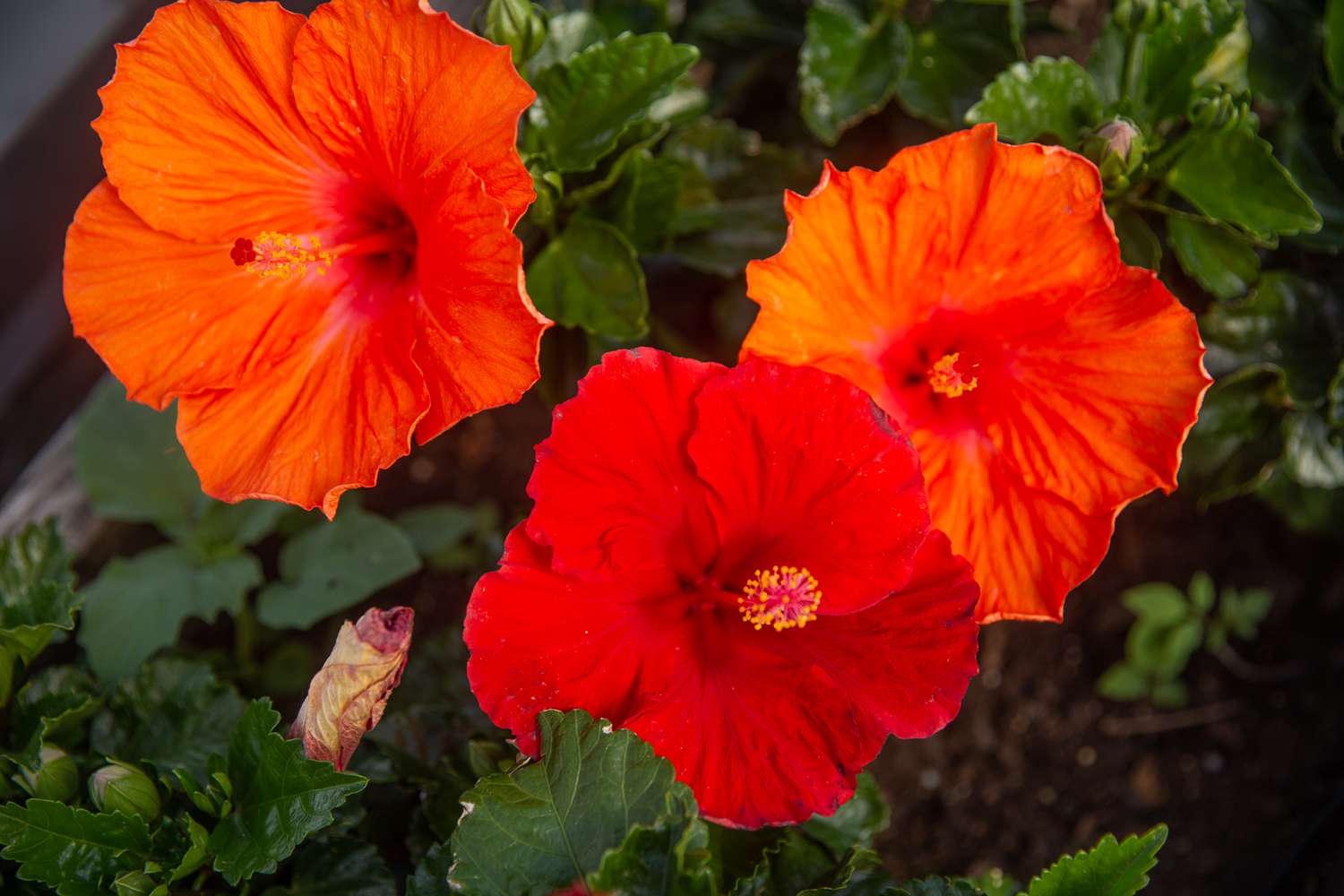
Hibiscus rosa-sinensis is a colorful, exotic tropical hibiscus plant that can be added to any garden or patio. They grow extremely well under warm, sunny conditions and are especially ideal for container gardening, as they can be brought inside when it gets cold. Choosing the appropriate container is very crucial for your tropical hibiscus's health and growth. Here is the full guide on how to do this.
1. Size Matters
Size of the pot is one aspect. Tropical hibiscus has a moderate root system, which needs to be spread out but not too spacious that the plant is bombarded.
Start Pot Size: For the young plants start in 10-12 inches in diameter pot
Mature Plants: when hibiscus get mature move them in 14-16 inch to give room for the root system to grow.
Do not use large containers as they contain excess water and lead to root rot.
2. Material of the Container
The material of the container will determine its durability, weight, and heat retention.
Clay or Terra-Cotta: They are porous materials which provide better air circulation around the roots. They dry out fast; therefore, frequent watering has to be done.
Plastic: Plastic pots are lightweight, cheaper. These would hold more moisture than clay but will be lighter. The lighter the pots are, the easier to move. Choose one resistant to UV so that it doesn't crack up from sun light.
Ceramic: Glazed ceramic is beautiful but a good looking non-light weight, keeps moistures, and they are heavier.
Wooden Planters: Quite beautiful and perishable as it gets wet all the time. Line it with liners for this to last longer
3. Good drainage
Proper drainage is very essential to keep your hibiscus healthy. The container should have drainage holes to prevent waterlogging, which would suffocate the roots and cause diseases. If the pot you have does not have drainage holes, then you can drill holes into it yourself or you may use it as a decorative outer pot with an inner pot that has proper drainage.
4. Portability and Mobility
Tropical hibiscus is very sensitive to frost and should be moved indoors if your area freezes. Consider how easily the pot can be moved.
Wheeled Pots: Pots with wheels or dolly trays will make it much easier to move heavy plants.
Lightweight Materials: Plastic or composite materials are easier to move than ceramic or terra cotta.
5. Ornamental Value
Depending on which hibiscus container you decide to go with, it may also make your hibiscus look more stunning. For colors and patterns, simply choose those that complement your bright flower. Bright, or neutral-pots frequently help highlight best.
6. Soil and Potting Mix
Not part of the container, but is necessary, the potting mix is important. Use one rich in organic matter so as not to drown your tropical hibiscus. Keep thinking to add perlite or some sand for aeration to breathe.
7. Specific Needs of Indoor Plants
When growing hibiscus indoors, the pot needs to be suitable for the indoor environment and functional enough to fit in sunny areas. Self-watering pots also help busy gardeners.
Conclusion
Select the ideal pot for your tropical hibiscus based on aesthetics and practicality. There must be one that has good drainage, size, material, and one that will fit well with your pot on wheels aesthetically. So with the perfect pot, your tropical hibiscus will have everything they need for optimal growth. End.
With proper planning and attentiveness to detail, a tropical hibiscus will be the show-stopper at your home or garden.