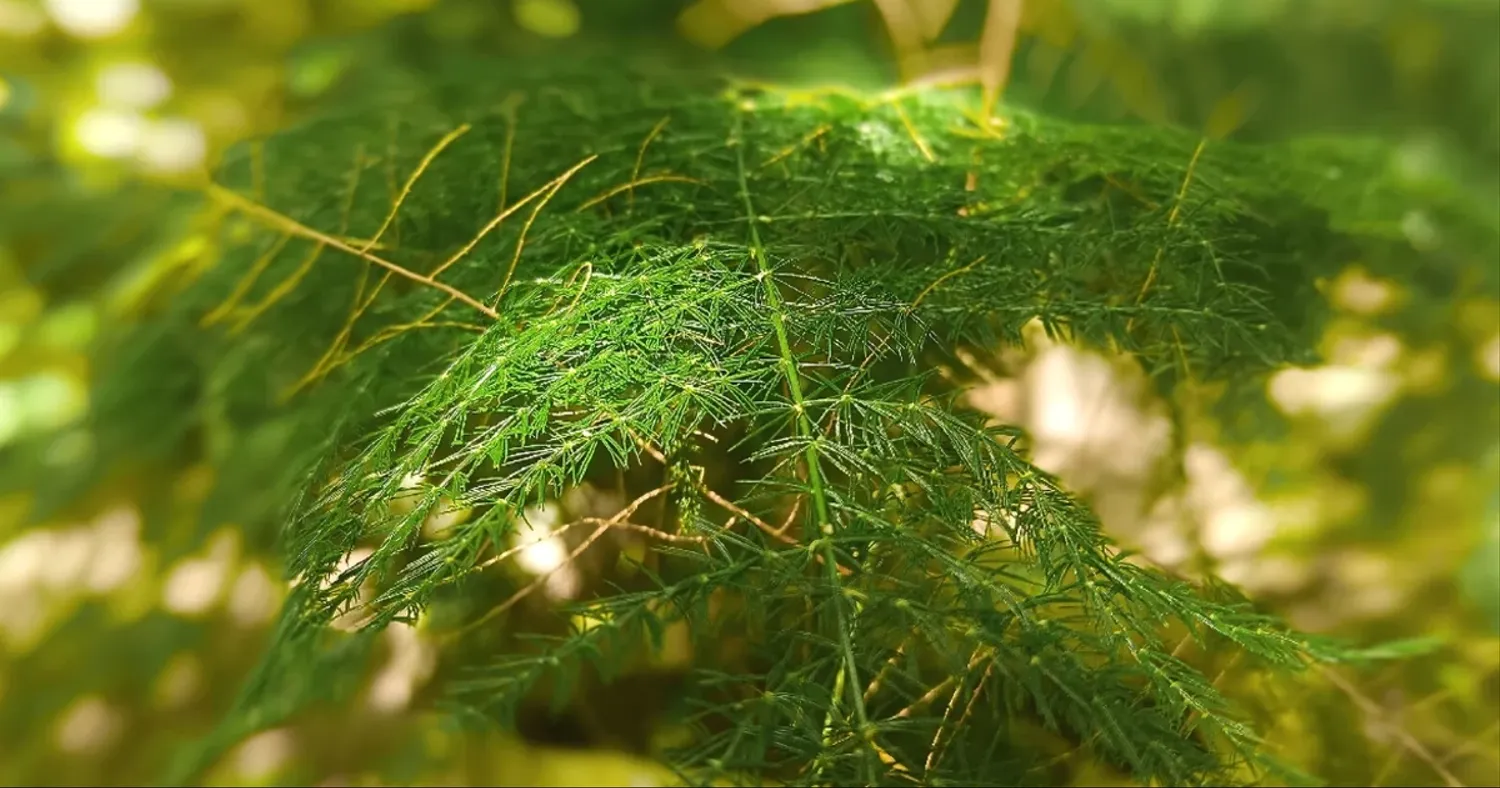
Asparagus fern (Asparagus setaceus or Asparagus densiflorus) is a houseplant species with classic, sensitive-looking leaves but robust constitution. It is not a classic fern but is a member of the Asparagaceae family. Giving it the needed light conditions fosters its radiant and luxuriant growth. Knowing the light requirements of asparagus fern ensures that it would not grow undesirable characteristics like yellow leaves, legginess, and staying compact.
Optimal Light Conditions
Asparagus ferns prefer bright, indirect light. They grow naturally under the shade of taller trees where they occur naturally in South Africa and are therefore used to dappled light and not direct sunlight. To cultivate indoors, the plant must be positioned in front of an east- or north-facing window. If a south- or west-facing window is the only one available, filter the light through sheer curtains to avoid leaf scorch.
Effects of Excessive Light
Sunlight, especially the harsh midday sun, is not good for asparagus ferns. Too much direct sunlight causes burning, and the delicate fronds will yellow or brown on the ends. If you see this occurring, move the plant to a more shaded location or add a light-filtering material, like a sheer curtain or allow taller plants to grow around it, to moderate intensity.
Effects of Inadequate Light
While asparagus ferns are resilient, they won't survive in deep shade or low light. It's too dim for sufficient light, and this will result in some of the following: leggy or sparse growth whereby stems become elongated and skinny reaching out for the light. Constant low light will also make leaves turn yellow and fall off. If your asparagus fern looks spindly and weak, gradually move it to a brighter spot or add some supplementary lighting.
Employing Artificial Light
For households that have limited natural light, artificial light can work. Use fluorescent or LED grow lights with a balanced spectrum. Place the source of the light 12–18 inches from the plant and give it 10–12 hours of exposure per day. Avoid placing the plant near incandescent bulbs since they give off too much heat and will burn leaves.
Modifying Light Exposure According to Season
As the seasons change, the intensity and duration of natural sunlight vary. During winter, when days are shorter, placing the asparagus fern closer to a window will suffice. During summer, however, it may be necessary to relocate the plant slightly away from strong direct sunlight to prevent overheating and scorching.
Conclusion
Offering the correct light conditions is important to keeping an asparagus fern healthy and green. Bright, indirect light is best, and direct sunlight or prolonged periods of low light must be avoided. By keeping track and moving the plant around during the different seasons, as well as the addition of artificial lighting when needed, you'll be able to keep your asparagus fern at its best year-round.