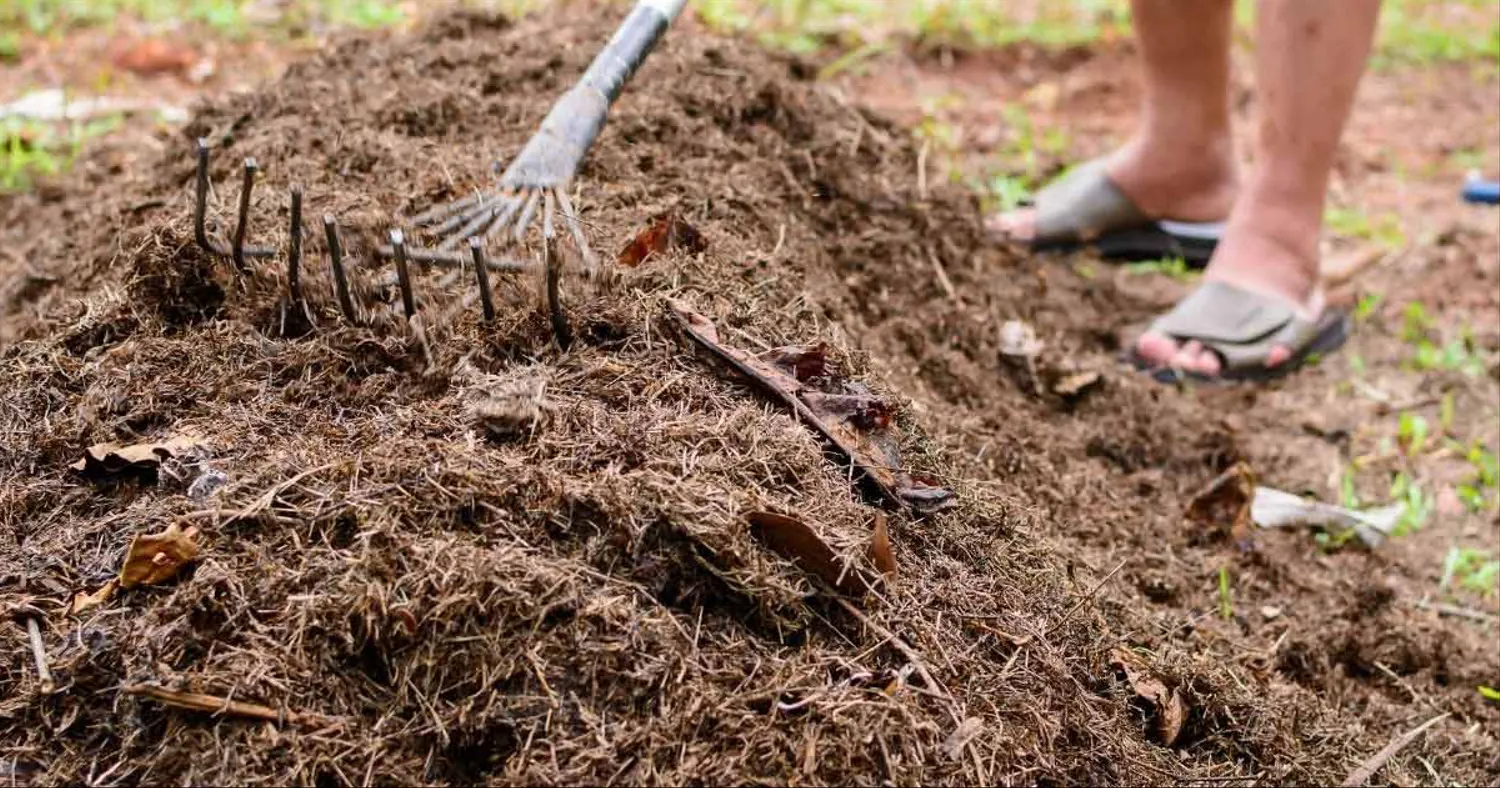
Gardeners and eco-conscious people alike recognize compost as the ultimate natural fertilizer. Compost is rich in essential nutrients, not just nourishing plants but also building up soil, promoting biodiversity, and reducing waste. Whether you are an experienced gardener or just starting out, incorporating compost into your garden can yield fantastic benefits.
What is Compost?
Compost is a natural end-product of decay of kitchen wastes, garden trash, and other organic wastes. Composed of fungi, bacteria, and insects, these waste materials are broken down into a rich nutrient content material known as humus. Dark in appearance, crumbly in texture, and with a pleasant earthy odor—the ultimate product of composting that enriches the structure of soil and plant life.
Benefits of Composting
Improves Soil Structure
Compost enhances soil structure, breaking up clay soils and enhancing sandy soils' water retention. This enhanced structure allows roots to more easily locate water and nutrients.
Enhances Soil Fertility
Compost is full of nitrogen, phosphorus, and potassium, providing plants with the nutrients they require to be healthy. In contrast to chemical fertilizers, compost releases these nutrients slowly, allowing for sustained feeding of plants.
Promotes Beneficial Microorganisms
Compost introduces beneficial bacteria and fungi into the soil, which continue to degrade organic material and enhance nutrient acquisition for plants. Microorganisms also contribute to disease resistance and plant resilience.
Decreases Waste and Decreases Carbon Footprint
By composting yard waste and kitchen refuse, you are diverting organic waste from landfills, reducing the amount of methane produced, and contributing to a more sustainable world.
Reduces Plant Diseases and Pests
The microbial community within compost works to combat harmful pathogens and pests. Furthermore, soil that is healthy yields stronger plants with immunity to disease and pest infestations.
Composting at Home
Composting at home is simple and uncomplicated. Simply follow these steps to get started:
Choose a Composting Process
Backyard Composting: Use a compost pile or bin in the yard.
Vermicomposting: Break down organic matter using worms in an effective manner.
Bokashi Composting: Anaerobically ferment waste in special bran.
Balance Green and Brown Materials
Greens (Nitrogen-rich): Fruit peels, vegetable scraps, coffee grounds, and grass clippings.
Browns (Carbon-rich): Dry leaves, paper, cardboard, and straw.
A 2:1 ratio of browns to greens maximizes decomposition and odor suppression.
Maintain Moisture and Aeration
Keep the compost moist but not soggy, similar to a wrung-out sponge.
Turn the pile regularly to maximize oxygen flow and speed decomposition.
Wait and Harvest
Compost can take anywhere from a few weeks to a few months to be ready, depending on the conditions. When it turns dark, crumbly, and has an earthy smell, it's ready to harvest.
Using Compost in Your Garden
When your compost is ready, use it as follows:
Soil Amendment: Mix it into garden beds to provide nutrients to the soil before planting.
Mulch: Spread around plants to retain moisture and suppress weeds.
Potting Mix: Blend with soil for use in container gardening.
Compost Tea: Steep water in compost to create a liquid plant fertilizer that is rich in nutrients.
Conclusion
Composting is an easy, eco-friendly way to enrich soil, enhance plant growth, and reduce waste. By incorporating compost into your gardening routine, you are contributing to a green world while enjoying healthier plants and better yields. Start composting today and notice the difference in your garden!