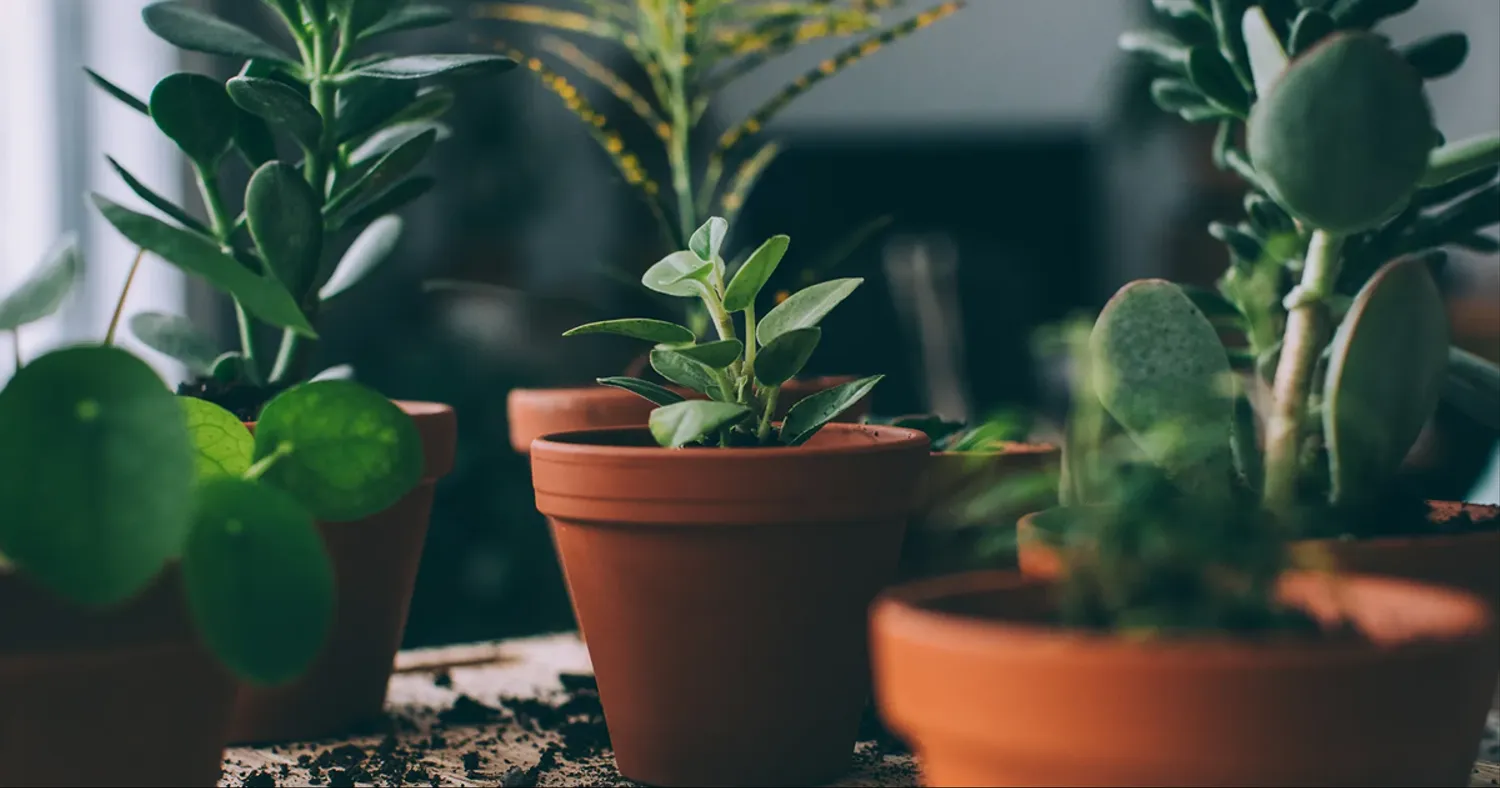
When it comes to making your plants happy and healthy, the right pot is as crucial as the right soil or watering routine. One of the most significant threats to plants is root rot due to waterlogged soil. To avoid this, careful pot selection is essential. The correct pot will ensure good drainage, allow for good aeration, and promote the plant's overall health. Here's a glance at the best pots to avoid excess moisture from harming your plant's roots.
1. Terracotta and Clay Pots
Terracotta and clay pots are among the finest for avoiding waterlogged roots. They are porous, which makes excess moisture escape more rapidly. They also provide a balance to soil moisture because they absorb a portion of the water, keeping root rot from occurring. These pots have a drawback in that plants grown in them will probably need to be watered more often, particularly in warmer weather.
2. Fabric Grow Bags
Fabric grow bags have also become popular with gardeners due to their good drainage and aeration. Lightweight, porous fabric is used to make them, letting water drain out easily and also air pruning to prevent roots from becoming bound and promote healthy growth. Plastic pots with drainage holes are good for outdoor and pot gardening, though they can dry out quicker than the regular pot, which needs to be checked on regularly.
3. Plastic Pots with Drainage Holes
Plastic pots are an affordable and convenient option, but they need to be properly drilled to allow drainage to prevent water at the bottom. Some plastic pots have a drainage tray that can be preattached, but excess water must freely escape. For added drainage, holes can be drilled at the bottom if necessary.
4. Unglazed Ceramic Pots
Similar to terracotta, unglazed ceramic pots are also breathable and offer moisture regulation. They aid in wicking excess moisture from the soil to prevent waterlogged roots. But these pots tend to be heavier and more breakable than plastic ones, and therefore might not be suitable for plants that need to be moved or repotted frequently.
5. Wooden Planters
Wooden planters are a good-looking and efficient option, particularly for outdoor plants. Wood is also naturally absorbent, which aids in balancing moisture content in the soil. But to avoid rotting, one should use untreated, rot-resistant wood such as cedar or line the planter with permeable fabric while still providing drainage at the bottom.
6. Self-Watering Pots (With Caution)
Self-watering pots can be convenient for maintaining consistent moisture levels, but they should be used with caution. These pots often have a water reservoir at the bottom, which can be helpful for plants that prefer evenly moist soil. However, if not monitored properly, excess moisture can accumulate and lead to root rot. If using self-watering pots, ensure that the reservoir is not constantly full and that the plant’s roots are not sitting in standing water.
Other Tips to Prevent Waterlogged Roots
Whether you use any type of pot, a couple of extra steps can prevent waterlogged roots:
Use Well-Draining Mix: Choose a potting soil with perlite, sand, or bark that helps the drainage.
Elevate Pots: Putting pots on risers or using pot feet will prevent excess water from accumulating under the pots.
Empty Saucers Regularly: If using a saucer under your pot, be sure to empty excess water to avoid accumulation.
Monitor Watering Habits: Overwatering is a common mistake—always check soil moisture before watering by sticking your finger about an inch into the soil.
Conclusion
Selecting a suitable pot will be the key to having healthy plants and avoiding root rot. Whether you choose terracotta, fabric grow bags, plastic with drainage, or wooden planters, making sure there is proper drainage and aeration will ensure your plants are healthy. By choosing a pot where water can drain out, you provide the perfect condition for robust, healthy roots and healthy, beautiful foliage.