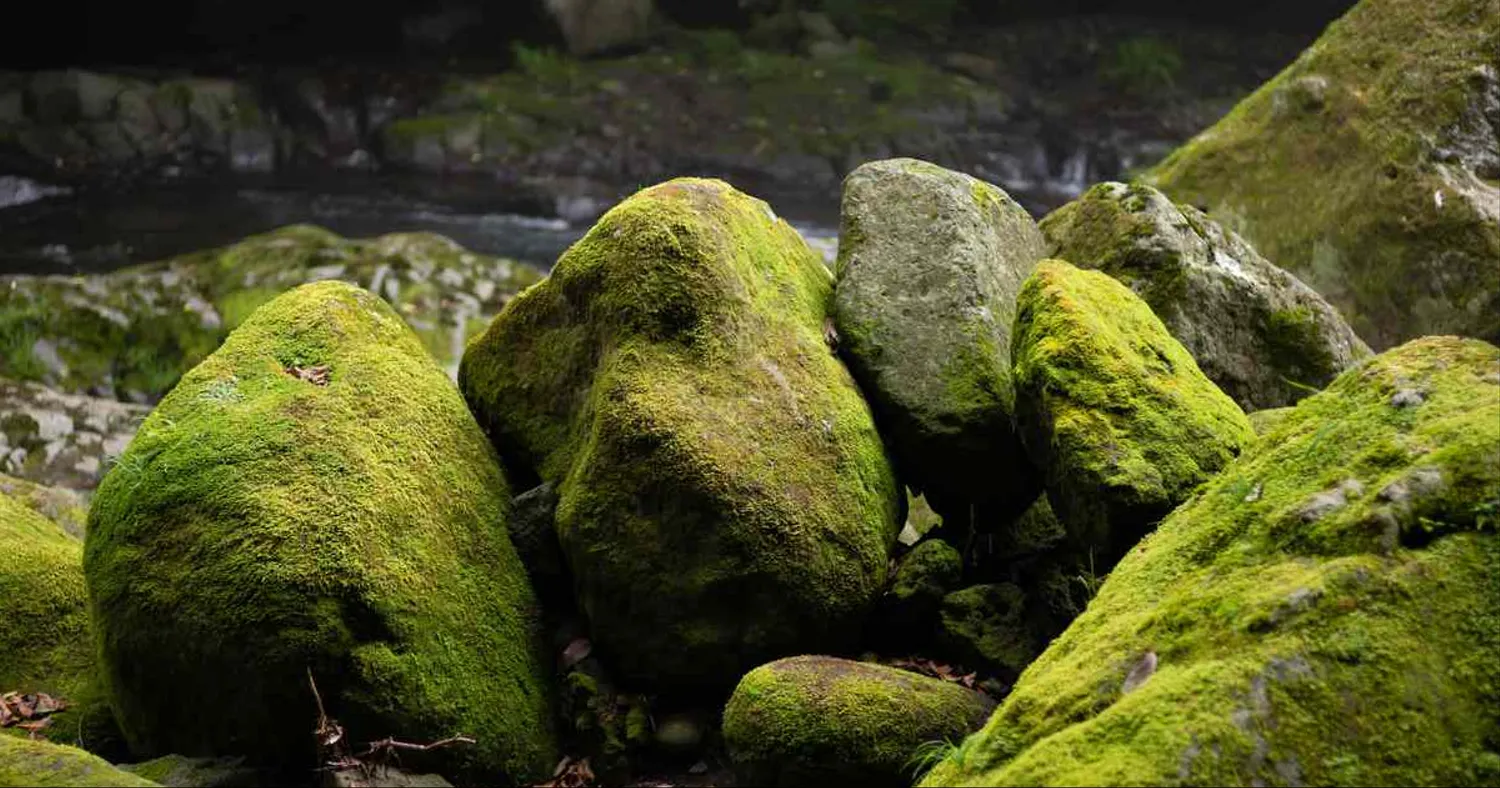
Moss, with its lush, green appearance and velvety texture, adds a unique touch to gardens, landscapes, and even interior spaces. As opposed to normal plants, moss doesn't require soil to grow and thrives in dark, moist environments. To cultivate moss, the most significant consideration for success is location. In this article, we'll explore the best places to cultivate moss and how to give it the optimum environment for growth.
1. Shaded woods and woodland floor
Shaded forest or woodland floor is one of the higher quality outdoor environments in which to create moss development. Moss is here because it loves the constant moisture, organic content, and lack of sunlight. The moist rotting leaves and tree bark provide a perfect substrate on which to establish a moss environment. If your own yard is highly wooded, you can mimic this environment by applying organic mulch and providing constant moisture.
2. North-Facing Surfaces
Moss prefers shade or indirect light, and north-facing surfaces are perfect for this. North-facing tree trunks, rocks, and walls will retain moisture and stay cool in the day, which is ideal for moss growth. To grow moss on a vertical surface, spray the surface with a moss slurry (moss, water, and buttermilk or yogurt) to trigger faster colonization.
3. Damp, Humid Gardens
Moist, high-humidity gardens are the best for moss. Ponds, waterfalls, or areas along a stream naturally offer the moist environment moss likes. If your garden is arid, you can create a moss bed by misting the site often and using excellent water retention with substances like peat moss or compost.
4. Stone Pathways and Rock Gardens
Moss naturally grows on porous surfaces like stones and rocks. For a soft, green garden carpet, you can grow moss on rock gardens, retaining walls, or stone walkways. These are the kind of areas that provide the stability and water retention needed by the moss. To stimulate the growth of moss, water the rocks or stones and eliminate competing plants.
5. Roofs and Outdoor Structures with Shade
Old roofs, gazebos, and covered pergolas usually develop natural moss growth due to the water exposure and minimal direct sun. If you wish to cultivate moss here, you can encourage it by keeping the surface wet and introducing small pieces of moss for a growing initiation.
6. Indoor Terrariums and Ornamental Containers
Moss can also be cultivated indoors in a controlled environment like terrariums and decorative containers. These closed or partially closed systems maintain humidity and provide the indirect light moss prefers. With frequent misting and a good growing medium, like sphagnum moss or pebbles, you can enjoy a lovely indoor moss display.
Creating the Perfect Moss Environment
If your chosen spot is not naturally favorable to the growth of moss, you may make a few adjustments to initiate moss growth:
Maintain Moisture: Moss loves consistent moisture, so spritz it on a regular basis or place it in naturally damp places.
Ensure Shade: Keep moss in areas that shun direct sunlight in order to prevent it from getting dehydrated.
Use Acidic Surfaces: Moss prefers to grow in mildly acidic conditions, and applying peat moss or slightly acidic water will promote growth.
Cut Down on Competition: Weed and grass from where moss grows to enable it to spread as desired.
Conclusion
Proper growth of moss depends on finding the right spot and maintaining the proper conditions. Under shaded woodlands, along rock pathways, or in an indoor decorative terrarium, moss adds an timeless and serene quality to any setting. Providing moisture, shade, and a stable surface, you can cultivate a thriving moss garden that enhances your natural surroundings.