Introduction
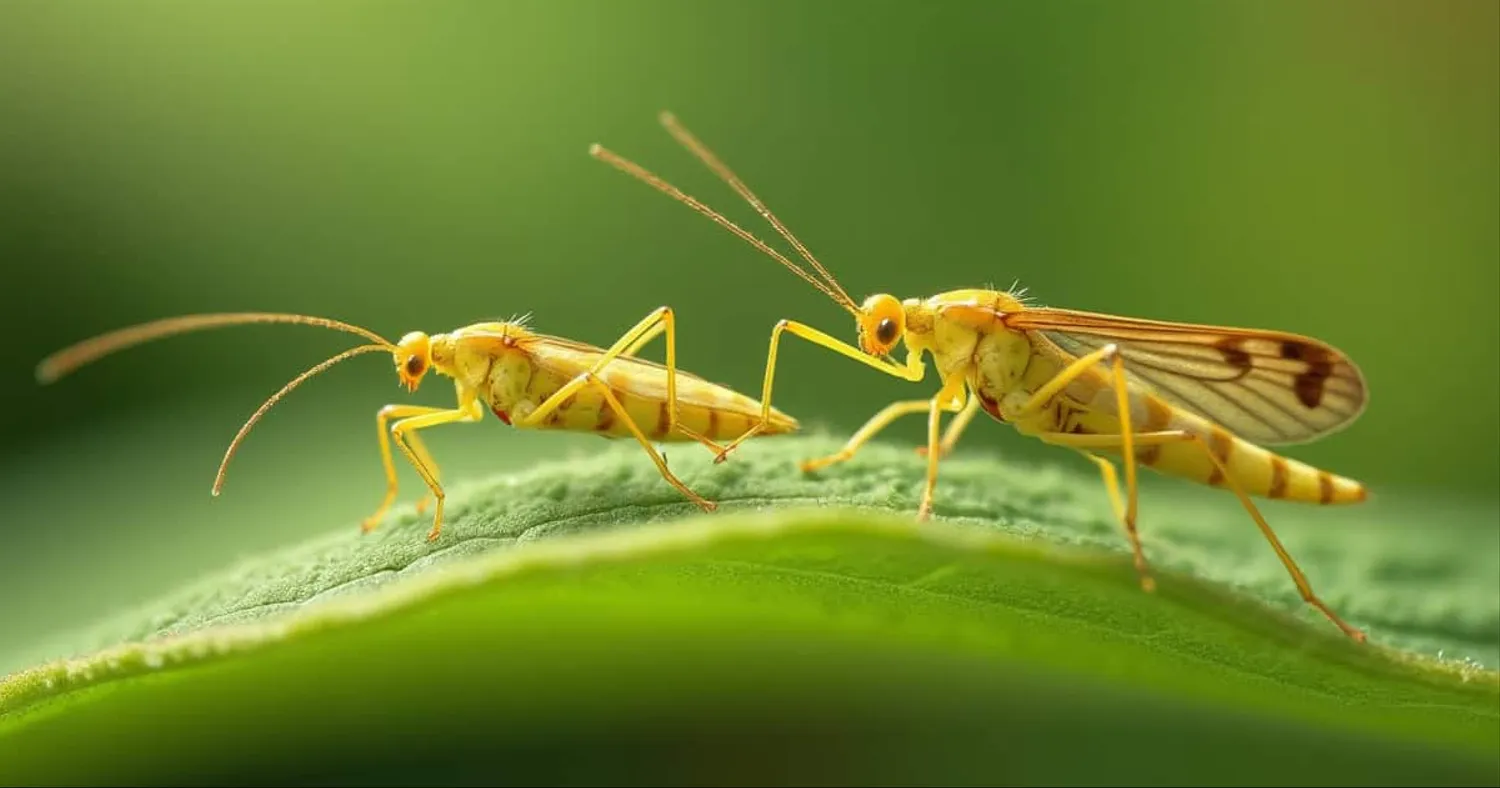
Thrips are diminutive winged insects capable of wreaking immense destruction on plants through their insatiable desire to feed on their leaves, flowers, and fruit. These pests feed by puncturing plant cells to withdraw nutrients, rendering them unsightly, mal-formed, and quite weak. Chemical pesticides give some measure of temporary relief; however, they can all cause collateral damage to beneficial insects. They also encourage the risk of pesticide resistance. Biological control is an environmentally friendly alternative that uses natural enemies to control the population of thrips. This article discusses the most effective beneficial insect for thrip control and methods of introduction into your garden/farm.
Behavior and Damage Caused by Thrips
Thrips are a ubiquitous pest affecting several crops from vegetables to fruits, ornamentals, and greenhouse plants. Their rapid reproduction makes infestations very hard to manage. Their feeding not only injures plants but also transmits viral diseases, one of which is the Tomato Spotted Wilt Virus (TSWV). To control thrips, the best course would be to introduce natural predators into the pest management program, thus lessening chemical applications.
Beneficial Insects for Thrip Control
Predatory insects that survive on thrips at all life stages are several insect species acting against thrip populations. Here are some of the most effective natural enemies:
1. Orius spp. (Minute Pirate Bugs)
Orius insidiosus, also termed minute pirate bug, is among the most efficient thrips' predators. Being small and quick, these insects feed on both adult thrips and larval thrips. They can be used effectively against thrips in greenhouses as well as backyards, which makes them an efficient form of integrated pest management (IPM).
Advantages:
Prey upon thrips in all life stages.
Also feed on other small pests including aphids and spider mites.
Easy to introduce into and maintain in agricultural practices.
How to Introduce:
Release early in the season.
Provide flowering plants for attraction and support.
Avoid using broad-spectrum insecticides that kill beneficial insects.
2. Amblyseius Cucumeris (Predatory Mites)
Amblyseius cucumeris are widely-used predatory mites that usually prey on thrip larvae. Under greenhouse and field conditions, these mites help to curb thrip outbreaks before they spiral out of control.
Advantages:
Target young thrips before they grow and reproduce.
Well fitted for greenhouse crops.
Thrive in humid conditions and easily integrated into biological control programs.
How-to Introduce:
Dispersin sachets of predatory mites on the infested plants.
Keep the ambient humidity moderate for the activity of the mites.
Reintroduce as and when necessary for sustaining control.
3. Neoseiulus Barkeri (Predatory Mites)
Another well-fitted mite species, Neoseiulus barkeri, developed on all stages of thrips and many types of soft-bodied pests. They are suitable particularly for greenhouse and indoor gardening conditions.
Advantages:
Efficiently suppresses thrip populations.
Very adaptable to different climatic conditions.
Able to feed on pollen when prey items are scarce.
How to Introduce:
Spread on the crop foliage where thrips are active.
Use in association with an IPM program along with other predatory agents.
4. Lacewing Larvae (Chrysoperla spp.)
Lacewing larvae, or "aphid lions," are very voracious predaceous larvae that consume a wide range of soft-bodied insects, including thrips.
Benefits:
Against thrips, roguing, and whiteflies very effective.
Can be used indoors and outdoors.
Easiest release of eggs or larvae where infestations are located.
How to Introduce:
Release larvae at thrip hotspots.
Provide space to adult lacewings with nectar-rich flowers.
Best Practices for Using Beneficial Insects
Follow these best practices to make the most of natural thrip predators:
Choose the Right Predator: Get beneficial insects that fit your specific growing environment (e.g., greenhouse versus garden).
Provide Habitat Support: Put in flowering plants and groundcover so your predators can establish.
Monitor Thrips Populations: Keep track of thrip activity and evaluate predator impact using sticky traps.
Avoid Chemical Pesticides: If pesticides are necessary, choose selective or biological products that won't harm beneficial insects.
Release at the Right Time: Release predators early in the growth season, or as soon as thrip presence is suspected.
Conclusion
Natural enemies for the management of thrips are effective and ecologically sound. These beneficial insects, the minute pirate bugs, predatory mites, and lacewing larvae, will greatly reduce the populations of thrips so that very little harm is done to the plants. This goes a long way toward improving the general health of the crop. The incorporation of all these natural enemies will, therefore, greatly reduce pesticide usage for the benefit of farmers and gardeners, leading to the establishment of a healthy and harmonious ecosystem.