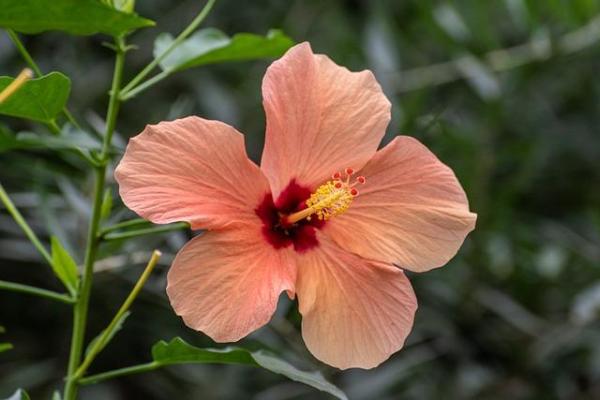
Hibiscus plants are favorites among gardeners and plant enthusiasts due to their beautiful blooms and colors. These tropical beauties thrive in warm climates and are relatively easy to care for, provided that their specific needs are met. One of the most crucial factors for the healthy growth and blooming of hibiscus plants is sunlight. Hibiscus plants prefer having 6-8 hours of direct sunlight daily and understanding why this is important may help you grow a thriving plant.
The Role of Sunlight in Hibiscus Growth
Sunlight is fundamental to all plants, as it powers photosynthesis-the process by which a plant converts light energy into chemical energy to grow and produce flowers. Hibiscus plants being sun-loving species, must have sufficient sunlight to help produce their large, showy blooms. If deprived of sufficient light, hibiscus plants may become leggy and produce fewer flowers and develop duller foliage.
Good Sunlight Conditions
For proper growth, hibiscus plants require 6-8 hours of direct sunlight per day. This is usually placing them in a spot where they get uninterrupted sunlight during the day. In cooler climates, a south-facing spot is ideal as it will ensure maximum exposure to sunlight. In tropical or subtropical regions where the intensity of the sun is stronger, morning sunlight is preferable to avoid scorching the plant during the hottest part of the day.
Effects of Inadequate Sunlight
When hibiscus plants do not get enough sunlight, they show several signs of stress. These include:
1. Fewer Blooms: Hibiscus plants focus more on survival than reproduction when light is scarce, and this results in fewer blooms.
2. Pale or Yellowing Leaves: A lack of sunlight can cause chlorosis, a condition where leaves lose their vibrant green color due to insufficient chlorophyll production.
3. Slow growth: The elongated plant's growth towards reachable lights make it weaker.
Move your Hibiscus plants elsewhere to a much sunner area.
Saving Hibiscus from Over exposure to Light
Hibiscus plants love the sun, but excessive direct sunlight during hot afternoons in extremely hot climates causes leaf scorch and dehydration. It would be ideal to provide some shade during peak sunlight hours or use a shade cloth to diffuse the intensity. Mulching around the base of the plant can also help retain soil moisture and regulate root temperature.
Growing Hibiscus Indoors
If you’re growing hibiscus indoors, ensure they are placed near a bright, sunny window that receives direct sunlight for most of the day. Supplemental lighting with grow lights can be used if natural sunlight is insufficient. Rotate the plant periodically to ensure even light distribution and prevent one-sided growth.
Tips for Maximizing Sunlight Exposure
1. Monitor Sunlight Patterns: Observe the sun movement in your garden to pick out the best place for placing your hibiscus.
2. Prune Surrounding Plants: Trim nearby trees or shrubs that may block sunlight.
3. Make Use of Reflective Surfaces: Position reflective materials so that more light is cast on your hibiscus.
Conclusion
Ensure your hibiscus plant receives 6-8 hours of direct sunlight per day to thrive and bloom. If you know what it needs in terms of sunlight, you can take necessary steps to maximize the exposure to light for a blooming, healthy hibiscus that will enhance the beauty of your garden or home. Your hibiscus will bloom its flowers and show lush foliage for years with proper care.