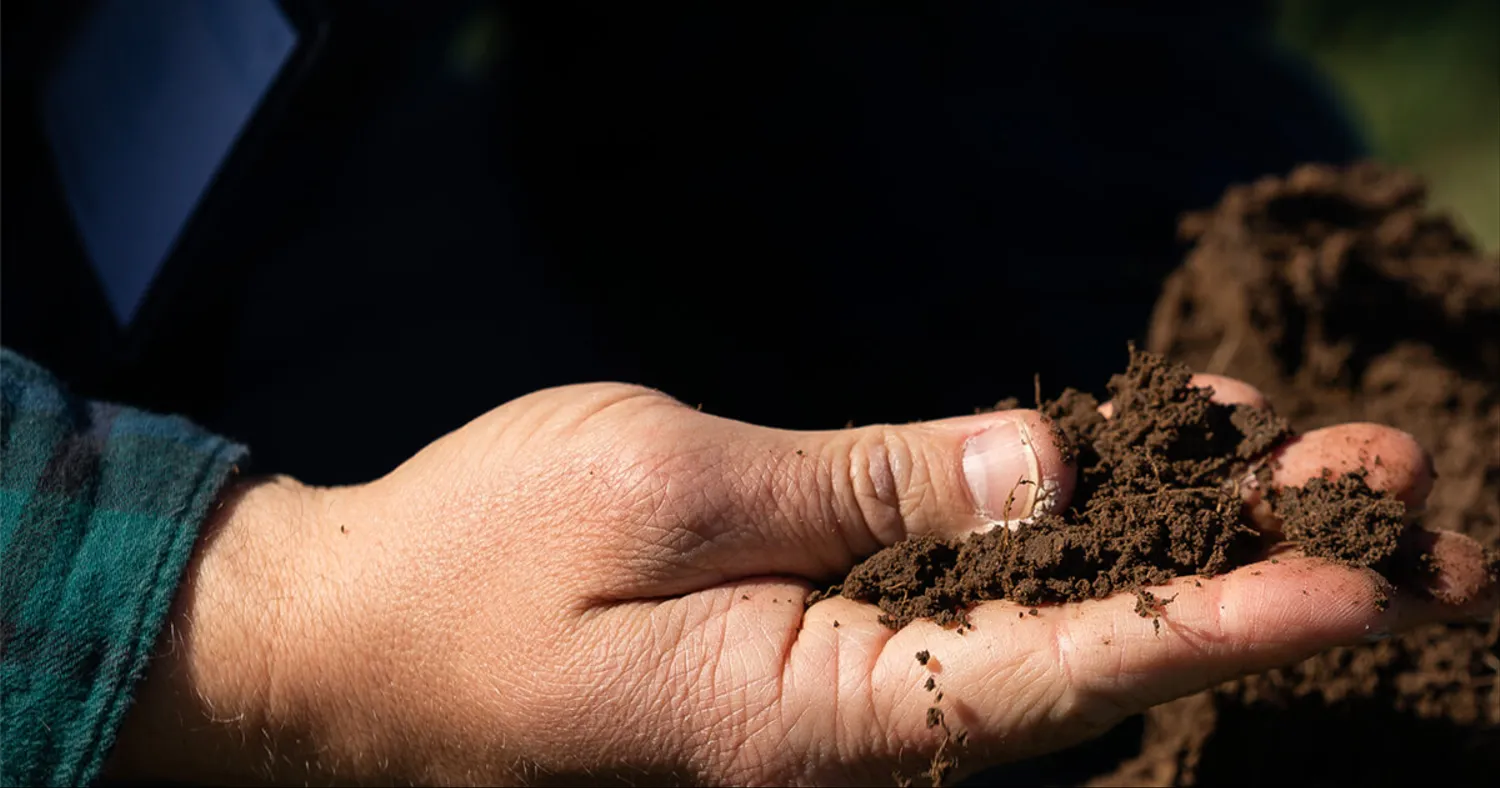
Soil porosity plays a significant role in the soil's capacity to retain water and permit drainage. Soil porosity affects plant growth, microbial populations, and soil health. Soil porosity and the impact on water flow are related to agriculture, horticulture, and the environment.
What is Soil Porosity
Soil porosity refers to the volume of pore space between the soil particles. The pore space is occupied by water or air, depending on the soil situation. Porosity is influenced by soil texture, structure, organic matter content, and compactness. Soils are usually composed of solid particles (clay, silt, sand, and organic matter) and pore space to permit water and air to pass through and be retained.
Factors Affecting Soil Porosity
Soil porosity is regulated by a variety of factors, enumerated below:
Soil Texture – Soils are of different textures and have different pore spaces. Sandy soils have large pores but few total pores, and therefore the drainage is fast. Clay soils have small pores but large total pore spaces, with greater water holding capacity.
Soil Structure – Aggregated soils have greater pore space volume, which can hold more water and drain more. Compacted soils reduce porosity, restricting water movement and root growth.
Organic Matter – Organic matter increases porosity by creating stable aggregates, increasing water-holding capacity and drainage rate.
Compaction – Increased foot traffic, machinery use, and excessive tillage can decrease porosity, excluding water infiltration and causing runoff.
How Porosity in the Soil Affects Water Retention
Storage of water is related to the amount of moisture storage space in the pore of soil. Clay-rich soils have dense micropore volume and also maintain a vast component of water retention for quite some time and so are quite fit for implementation within deserts. Waterlogging will be viable within such soil due to inadequate conditions of drainage. Organic material causes stability for the water content holding by developing additional water capacity space within soil for holding it as well as in providing adequate pores for oxygen availability.
How Soil Porosity Influences Drainage
Drainage refers to the amount of water that moves through the soil profile. Highly macroporous sands drain rapidly, leading to nutrient leaching and drought stress. Compacted or poorly structured soils, on the other hand, restrict water movement, leading to runoff, erosion, and root strangulation. Organic addition and aeration and the reduction of compaction improve drainage and retention balance.
Obtaining a Balance of Water Retention and Drainage
For optimum plant growth, the soil should be balanced between water retention and drainage. Some of the means by which balance is attained are:
Addition of Organic Matter – Compost and mulch prepare the soil so that it will retain more water and drain more easily.
Aeration – Softening hard ground produces maximum porosity and enables water to enter.
Mulching – Suppresses evaporation and keeps sand soils from drying out.
Use of Cover Crops – They constantly enhance the porosity and structure of the soil.
Soil porosity is a critical component of water storage and drainage, and thus plant growth and soil fertility. Knowledge of the interdependence of soil texture, structure, and porosity makes soil management effective. The more permeable the soil, the more efficient water use efficiency is elevated, the easier it is for healthy plant growth to occur, and waterlogging and erosion problems are averted. In effective soil management, there is maintained an efficient and sustainable growing medium.