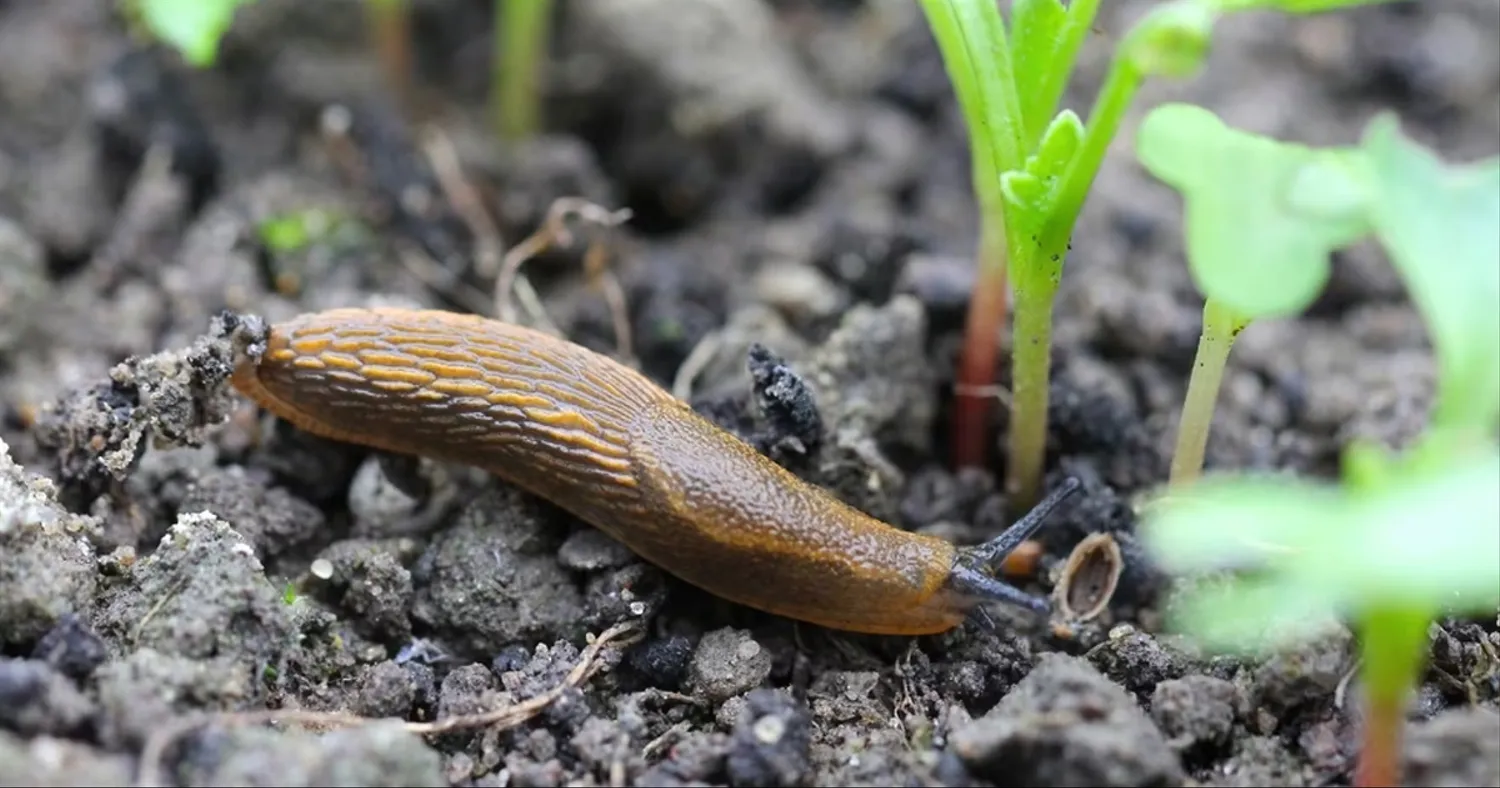
Slugs are a problem for gardeners, munching on young plants and depositing slimy tracks. While chemical slug repellents are available for purchase, gardeners prefer natural, homemade options that will not damage plants, pets, and beneficial insects. Here are some useful DIY slug repellent alternatives to protect your garden.
1. Coffee Grounds
Used coffee grounds also make a great natural slug deterrent. Caffeine in the coffee is toxic to slugs, and the coarse texture of the grounds makes it difficult for them to crawl over. Dust used coffee grounds around the bottoms of vulnerable plants to deter them.
2. Eggshells
Ground eggshells have a double purpose in the garden: they provide nutrients to the soil and serve as a physical repellent for slugs. The jagged edges deter slugs from crawling over and getting to your plants. Spread ground eggshells around seedlings and other tender plants.
3. Diatomaceous Earth
Diatomaceous earth is a powder, natural substance made up of fossilized algae. The tiny, abrasive particles, when slugs come into contact with them, kill them by shredding their soft bodies and drying them out. Sprinkle a thin amount around your plants but reapply after rain or watering.
4. Beer Traps
Slugs are attracted to the smell of beer, so it can be employed as a trap. Bury a shallow container, such as a yogurt container, so that it is level with the ground. Fill it with beer, and the slugs will crawl in and die. Empty and reuse the trap daily to make sure that it is still effective.
5. Copper Tape or Wire
Copper will generate an electric current that is natural electricity when slugs touch it and will prevent them from entering. Wrap copper tape around pots or form a band of copper wire around your gardening bed. It is a durable and efficient answer.
6. Garlic Spray
Garlic also has inherent pest-repellent qualities that repel most pests, including slugs. Crush some garlic and mix with water to make garlic spray. Let it infuse overnight, and then strain and spray onto infested plants and borders.
7. Ash and Sand Barriers
Wood ash and coarse sand will provide a slugs' worst nightmare â€" dry, abrasive conditions. Sprinkle around your plants to form an invisible barrier in the shape of a ring. Use ash extremely sparingly, though, because ash does alter pH in soil.
8. Companion Planting
Some crops repel slugs naturally. Herbs rosemary, thyme, and sage can be planted nearby to deter slugs. Marigold and fennel have the same effect.
9. Handpicking at Night
Since slugs are active at night, you can handpick them. With a flashlight and gloves, you can scoop up the slugs and transfer them to a soapy water bucket to kill them.
10. Encouraging Natural Predators
Having natural predators like birds, frogs, and hedgehogs come to your garden will keep the population in check. Having bird feeders, ponds, or stacks of logs will attract these natural predators to your garden.
By using these homemade slug repellents, you can protect your garden without using poisonous chemicals. Experiment with different methods to find the best solution for your garden's needs.