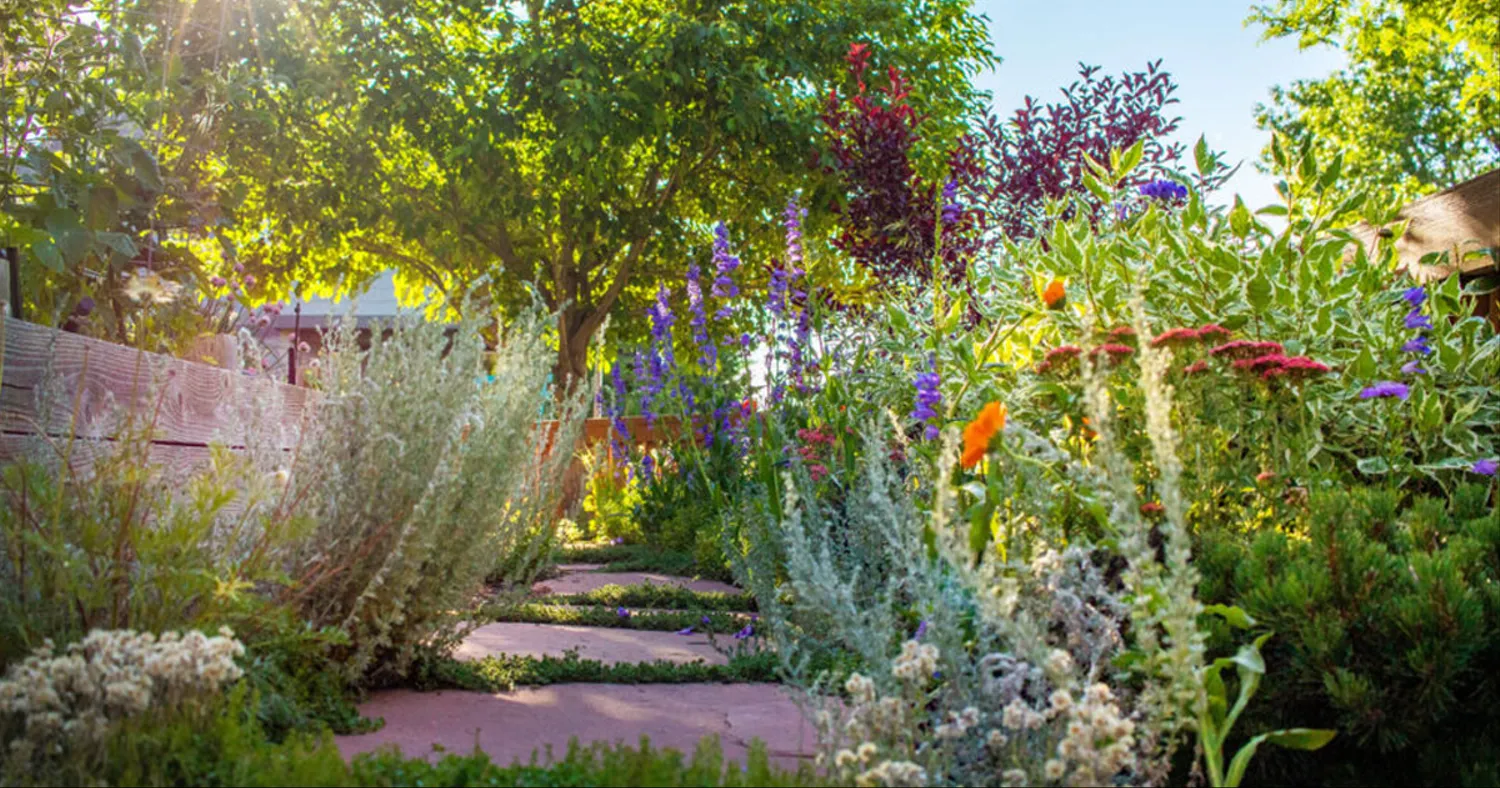
Xeriscaping is a style of landscaping that minimizes or even eliminates the use of irrigation, and therefore it is an eco-friendly and cost-saving means of creating lovely outdoor spaces. The word "xeriscaping" was derived from the Greek term "xeros," which translates to dry, and prefixed with "landscaping." This method is widely adopted in dry and semi-dry climatic areas, where water conservation is the most important thing. But xeriscaping is beneficial in any weather, providing homeowners and businesses with an environmentally friendly option to conventional lawns and gardens.
The Concept of Xeriscaping
Xeriscaping is based on the idea of having landscapes that are highly water-efficient yet aesthetically pleasing. Xeriscaping involves the planting of drought-resistant plants, alteration of the soil, water-saving irrigation systems, and mulching to prevent loss of water. With xeriscaping, individuals are able to maintain healthy, green landscapes without excessive use of water for landscaping.
A xeriscape garden usually involves using native plants that are suited to the climate of the area. They use less water and maintenance because they have learned to survive in some environmental conditions. The other aspects of xeriscaping involve planting the same water demand plant groups, minimizing turf space, and adding hardscaping features such as rocks, gravel, and sidewalks to create beauty while conserving water.
Advantages of Xeriscaping
1. Water Conservation
One of the largest benefits of xeriscaping is water conservation. Conventional gardens and lawns need a lot of water, especially in hot, arid areas. Xeriscaping saves up to 75% of water, and homeowners have the luxury of saving on water bills, as well as lowering the demand on the locality's water resources.
2. Less Maintenance
Xeriscaped gardens are less demanding than conventional landscapes. Low-water and low-fertilization crops thrive and require less constant attention. Mulching also prevents weeds from growing, further reducing the amount of effort.
3. Cost-Effective Landscaping
Even though there is more initial investment in xeriscaping due to soil preparation and plant selection, the long-term cost savings are tremendous. With less water usage, fewer fertilizers, and minimal lawn maintenance requirements, residents can save significantly on landscaping costs in the long term.
4. Environmental Benefits
Xeriscaping encourages biodiversity by encouraging the growth of native plants that support local wildlife, such as pollinators like bees and butterflies. It also reduces the use of chemical fertilizers and pesticides, which assists in the development of a healthier environment. Moreover, the lesser requirement of lawnmowers and other machinery lowers carbon emissions.
5. Enhanced Aesthetic Appeal
Compared to the usual perception that xeriscaped landscapes are lifeless, xeriscaped landscapes can even be aesthetically pleasing. A well-tended xeriscape possesses a mix of color, texture, and dimension, making an appealing and diverse outdoor area. Elements like rock gardens, succulents, ornamental grasses, and water-conserving flowers make the landscape beautiful and eco-friendly.
6. Soil Health and Erosion Control
Xeriscaping prevents soil erosion by the incorporation of ground cover, mulch, and thoughtful landscaping features. These stabilize the soil, conserve water, and enhance soil quality, thus making it more adaptable to harsh weather patterns.
Siting Xeriscaping in Your Landscape
To effectively apply xeriscaping, begin by evaluating your landscape's soil, sunlight, and climate. Select native, drought-tolerant plants that will naturally need less water and maintenance. Reduce grassy lawn space and substitute it with mulch, gravel, or decorative hardscaping features.
Implement a good irrigation technique like drip irrigation or soaker hoses to irrigate the roots of the plants directly. Mulch around the plants to keep the soil moist and prevent weeds from growing. Lastly, group plants with the same watering requirements together in a manner that facilitates effective watering and proper plant growth.
Conclusion
Xeriscaping is an efficient and environmentally friendly method of landscaping that conserves water, minimizes maintenance, and beautifies outdoor spaces to be more breathtaking. No matter where you reside, either in a parched area or not, xeriscaping is highly helpful for people and the planet. With this water-saving landscapin method, you can have a lush, beautiful landscape and kill the world not.