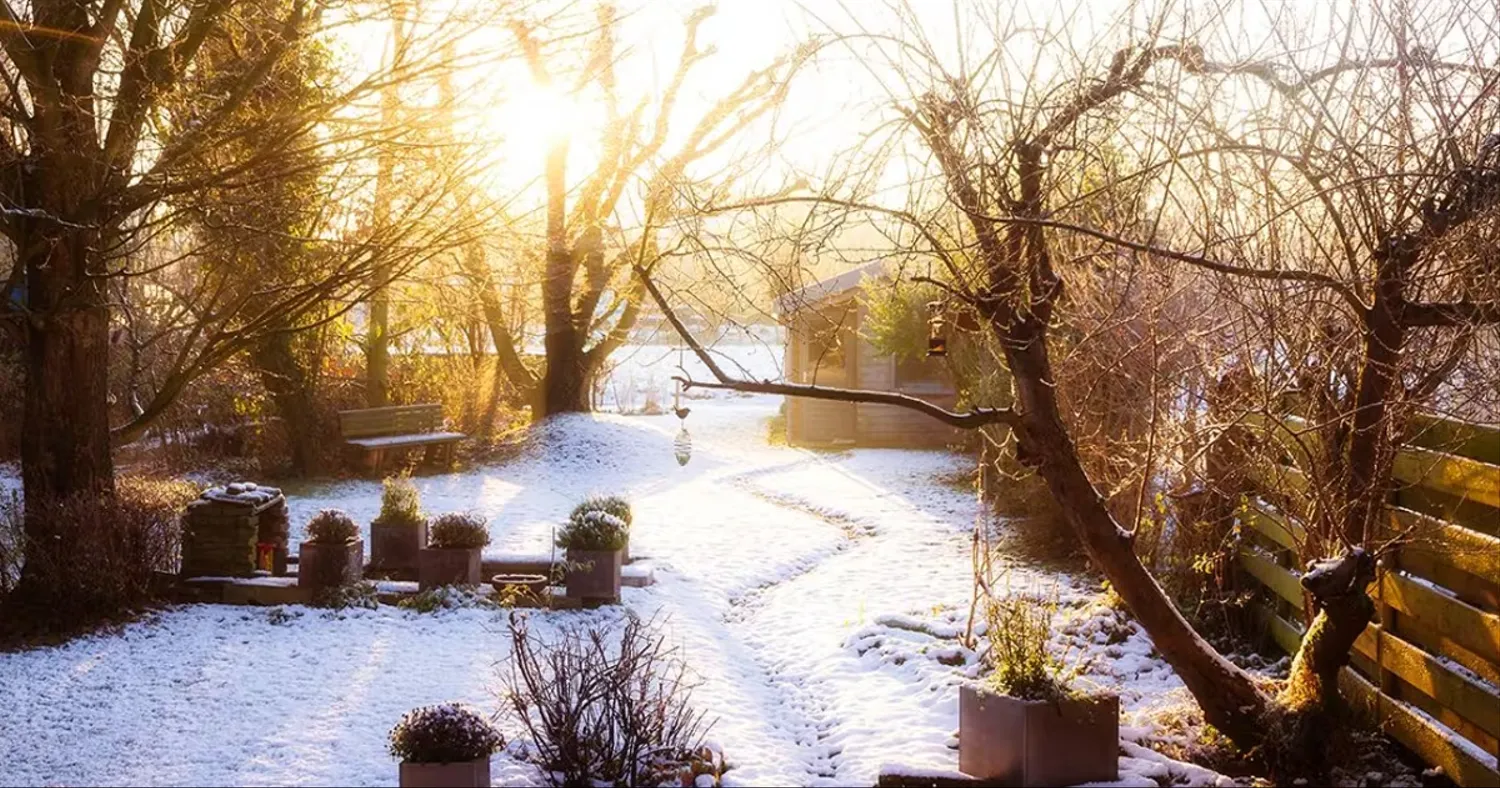
With shorter days and freezing temperatures, winter is the ideal time to prepare your garden for the upcoming season. Proper winterizing of your garden ensures that your plants withstand the cold and thrive when spring returns. No matter if you have a vegetable garden, flower beds, or a large backyard garden, it will make an enormous difference on the next year's growing season if you get it right here.
1. Clean Up the Garden
Start by removing dead flowers, dropped leaves, and other trash from the garden. This avoids disease and insects that can overwinter on plant material. Take out spent perennials, but leave some stems and seed heads for birds and beneficial insects.
2. Mulch and Protect Soil
Covering plants with a layer of mulch protects and prevents root freezing. Use organic mulch materials such as shredded leaves, straw, or wood chips. Mulching also prevents soil erosion and winter weeds.
3. Perennial and Shrub Care
Trim back perennials to remove diseased or dead foliage. Certain perennials, like ornamental grasses, should be left for winter interest and wildlife cover. Cover shrubs and small trees by wrapping them in burlap or using tree guards to prevent frost and wildlife damage.
4. Winterize Your Lawn
A single autumn mow will maintain a healthy lawn. Rake dense areas of dead leaves to prevent mold development and use a winter fertilizer to help roots harden for spring production.
5. Protect Delicate Plants
For delicate plants that can't tolerate freezing weather, consider bringing them inside or into a greenhouse. Container plants need to be brought into a protected area, such as a garage or covered porch, to avoid frost damage.
6. Prepare for Your Vegetable Garden
If you maintain a vegetable patch, harvest what is left in crops before there is a frost. Remove outdated plants and cover the soil with compost to make the ground fertile. Alternatively, seed cover plants like clover or winter rye to clothe and provide the ground for feeding through winter.
7. Store Garden Tools
Sharpen, clean, and put away garden tools to prevent rust and prolong their life. Drain hoses and irrigation systems to prevent freezing damage.
8. Prepare for Spring
Winter is a great season to plan ahead for your garden next year. Research new plants, organize seeds, and sketch out any design changes you would like to incorporate. Having a plan will enable you to get started more readily when warm weather arrives again.
Conclusion
It is time well spent to prepare your garden for winter since a healthier, more productive landscape come spring is the payoff. A little work now will save you money, time, and aggravation when the growing season begins again. Cleaning up, mulching, covering plants, and taking care of tools will have your garden in top shape during the cold weather and will be ready to flourish when warmer days return.