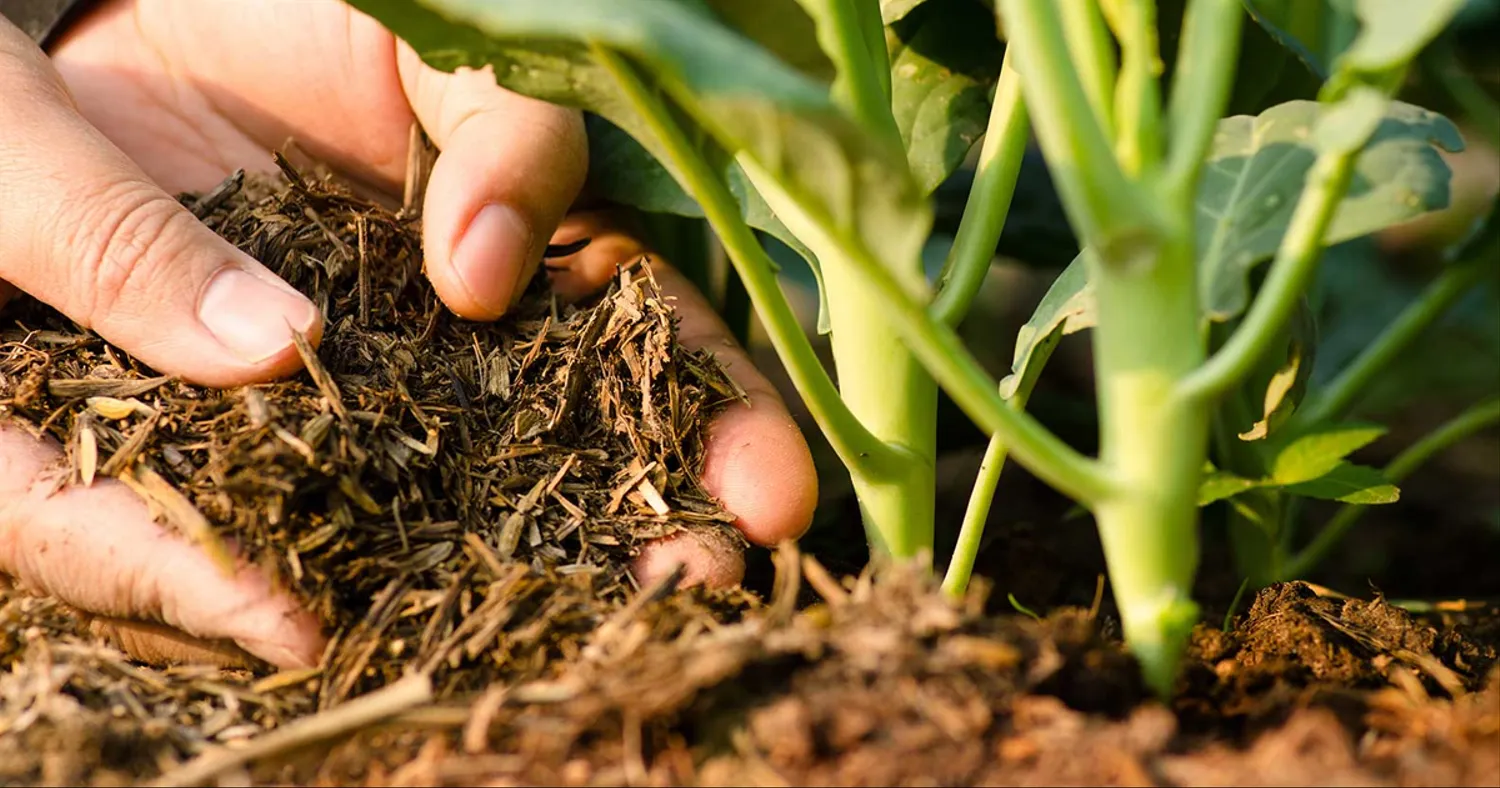
Healthy soil is the bedrock of a healthy garden, promoting strong plant growth and diversity. But as time passes, soil can become impoverished through erosion, excessive use of chemical fertilizers, and poor stewardship. Thankfully, regaining and sustaining soil health naturally is possible through the addition of compost and organic matter. Knowledge of soil health and how to enhance it can translate into more productive gardens and sustainable agriculture.
What Is Soil Health?
Soil health describes the capacity of the soil to support plant growth while having an equilibrium ecosystem. Healthy soil contains high levels of organic matter, has good water-holding capacity, offers basic nutrients, and supports a good variety of helpful microorganisms, earthworms, and insects. The indicators of soil health are:
Soil Structure – Structured soil has good air penetration, with roots being able to get oxygen and water with ease.
Organic Matter Content – Organic matter increases nutrient content and soil structure.
Microbial Activity – Suitable bacteria and fungi contribute to the decomposition of organic matter and enhanced nutrient cycling.
Water Retention and Drainage – Healthy soil maintains sufficient moisture while avoiding waterlogging.
Nutrient Balance – A balanced soil offers necessary nutrients such as nitrogen, phosphorus, and potassium for plant growth.
Improving Soil Health Naturally
Soil health restoration naturally means applying compost and organic matter, which enhance soil structure, fertility, and microbial activity. Some good methods for naturally enriching soil are described below:
1. Add Compost
Compost is organic matter that has broken down and is high in nutrients, enriching soil health when regularly added. Composting yard trimmings, food waste, and manure produces a nutrient-rich amendment that enhances soil fertility. Compost advantages include:
Improving the structure of soil by holding particles together
Enhancing microbial biodiversity for enhanced nutrient decomposition
Supplying slow-release nutrients vital for plant development
Enhancing water holding capacity and aeration
In order to apply compost successfully, apply a layer of compost (1-2 inches) over the ground and blend it into the upper few inches. To raised beds and garden beds, yearly applications of compost may restore missing nutrients.
2. Apply Organic Mulch
Organic mulch material like straw, wood chips, shredded leaves, or grass clippings maintains moisture, discourages weeds, and slowly disintegrates to improve soil fertility. When it decomposes, it contributes significant organic matter to the soil that stimulates microbial processes and enhances the soil's structure.
3. Use Cover Crops
Sowing cover crops such as clover, rye, or legumes during the off-season avoids soil erosion and improves fertility. These crops contribute organic matter, nitrogen fixation, and structure to the soil. When matured, cover crops may be plowed back into the soil as green manure.
4. Add Aged Manure
Old animal manure from cows, horses, chickens, or rabbits is a good natural fertilizer. Composted manure improves the structure of soil, contributes organic matter, and supplies necessary nutrients. Fresh manure, though, should not be used because it can carry dangerous pathogens and excess nitrogen that can scald plants.
5. Promote Beneficial Microorganisms
A healthy soil community relies on healthy microbes that break down organic material and enable nutrient uptake. Adding compost tea, mycorrhizal fungi, and biochar can assist in building microbial diversity and enhancing soil fertility without the need for chemicals.
Conclusion
Healthy soil is essential for successful gardening and sustainable farming. By adding compost and organic matter, gardeners can enhance soil structure, fertility, and microbial life naturally and decrease the use of synthetic fertilizers. Continuously enriching soil with compost, mulch, and cover crops provides a long-term, fertile growing medium. Using these natural methods, soil can be rebuilt and sustained to nourish healthy plant growth and a healthy ecosystem.