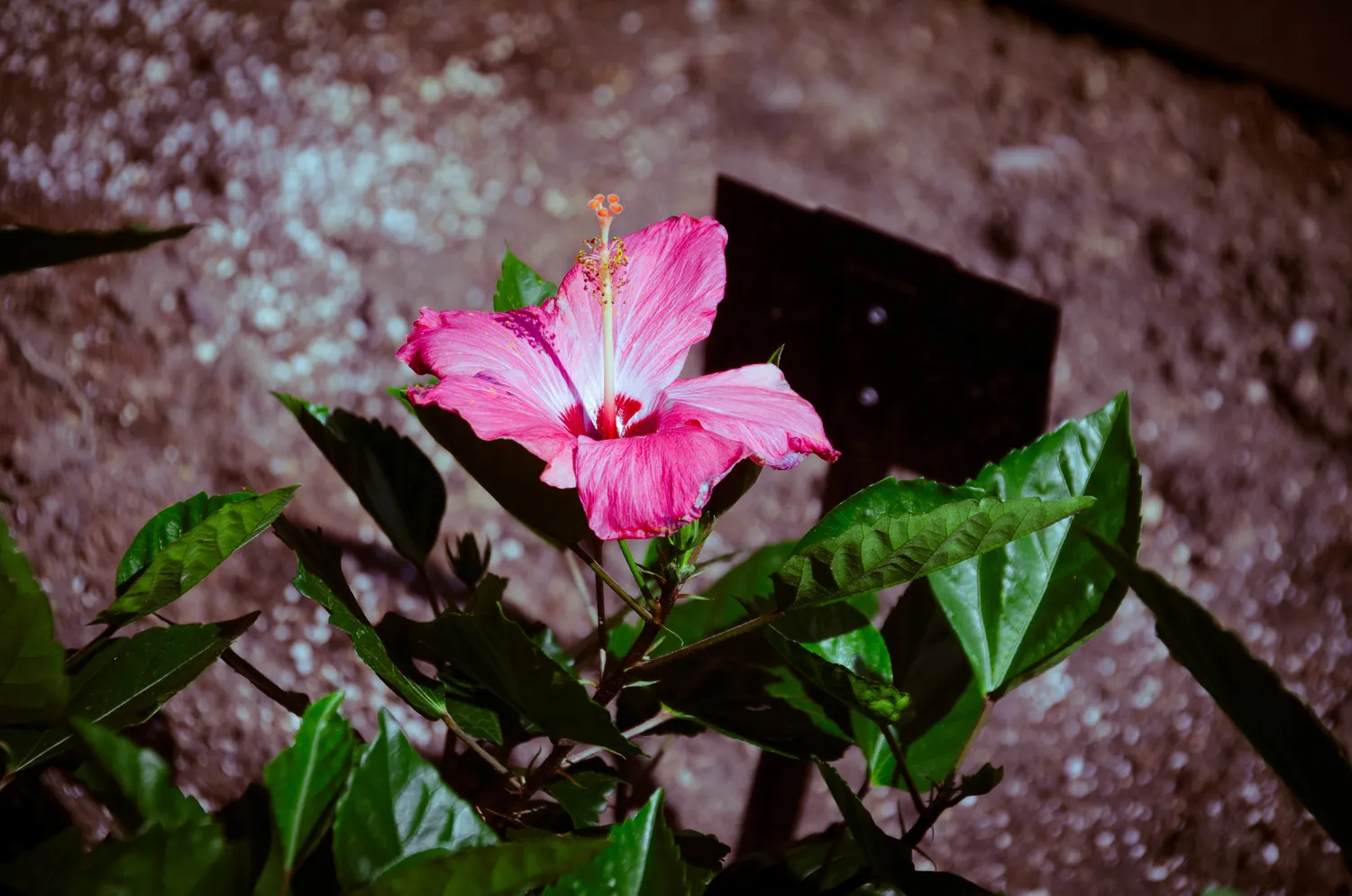
Hibiscus are colorful, tropical blooms every gardener wants to work with. But with winters coming, sun-loving hibiscuses should be given special care if frost occurs because it will ruin them once they are damaged by frosts. Hibiscuses can be taken indoors through the winter to avoid damaging them by frost. There's a complete guide here about how to make your changeover smooth.
1. Know the Timing
Hibiscus plants are sensitive to cold and should be brought indoors before temperatures drop below 50°F (10°C). Pay attention to the weather forecast and plan ahead, as frost can quickly damage or kill your plant.
2. Check for Pests and Diseases
Before moving your hibiscus inside, inspect it for aphids, spider mites, or whiteflies. These pests can easily transfer to other houseplants. Wash the leaves gently with a hose and use an insecticidal soap or neem oil to get rid of any infestation. Inspect for signs of disease, such as yellowing leaves or spots, and take care of them immediately.
3. Prune and Trim
Pruning helps to reduce the size of the plant, making it easier to handle indoors. Remove dead or damaged branches, as well as any leggy growth. This will also promote healthy regrowth when the plant resumes active growth in spring.
4. Repot if Necessary
If your hibiscus has outgrown its pot, consider repotting it before transitioning indoors. Use a container with drainage holes to prevent waterlogging and fill it with well-draining potting soil. Avoid pots that are excessively large, as they can lead to overwatering.
5. Acclimate Gradually
Sudden transplantation of your hibiscus indoors will stress the plant, causing it to drop leaves or grow stunted. Begin by gradually acclimating the plant by bringing it indoors at night and then placing it outside during the day for approximately a week. This is a process that helps acclimate the plant to indoor conditions and lower light levels.
6. Provide Adequate Light
Hibiscus plants need bright, indirect light to do well indoors. Position your plant in front of a south-facing window so that it gets at least 4-6 hours of light each day. Grow lights should be added if there isn't enough natural light.
7. Keep Correct Temperature and Humidity
Hibiscus plants prefer indoor temperatures between 60°F and 75°F (15°C-24°C). Avoid placing them near drafty windows, heaters, or air conditioners. Since indoor air can become dry during winter, use a humidifier or mist the plant regularly to maintain humidity levels around 50-60%.
8. Water and Fertilize Sparingly
Indoor hibiscus plants require less water during winter since their growth slows down. Water only when the top inch of soil dries out. Overwatering can cause root rot. Fertilize less during this time, using a diluted liquid fertilizer once a month to keep nutrient levels up.
9. Watch for Problems
Even in the house, hibiscus plants can suffer. Be on the lookout for yellowing leaves, which could be a sign of overwatering or inadequate light. Fix any problems quickly so your plant stays healthy all winter.
10. Spring Transition
When spring rolls around and the weather warms up, reverse the acclimation process by gradually exposing your hibiscus to outdoor conditions. Increase watering and resume regular fertilization to encourage blooming and growth.
Conclusion
Transitioning hibiscus plants indoors for winter is not easy, but the reward is a healthy, thriving plant that will bloom beautifully once the warmth of spring returns. With proper care and attention, your hibiscus can continue to brighten your home and garden year after year.