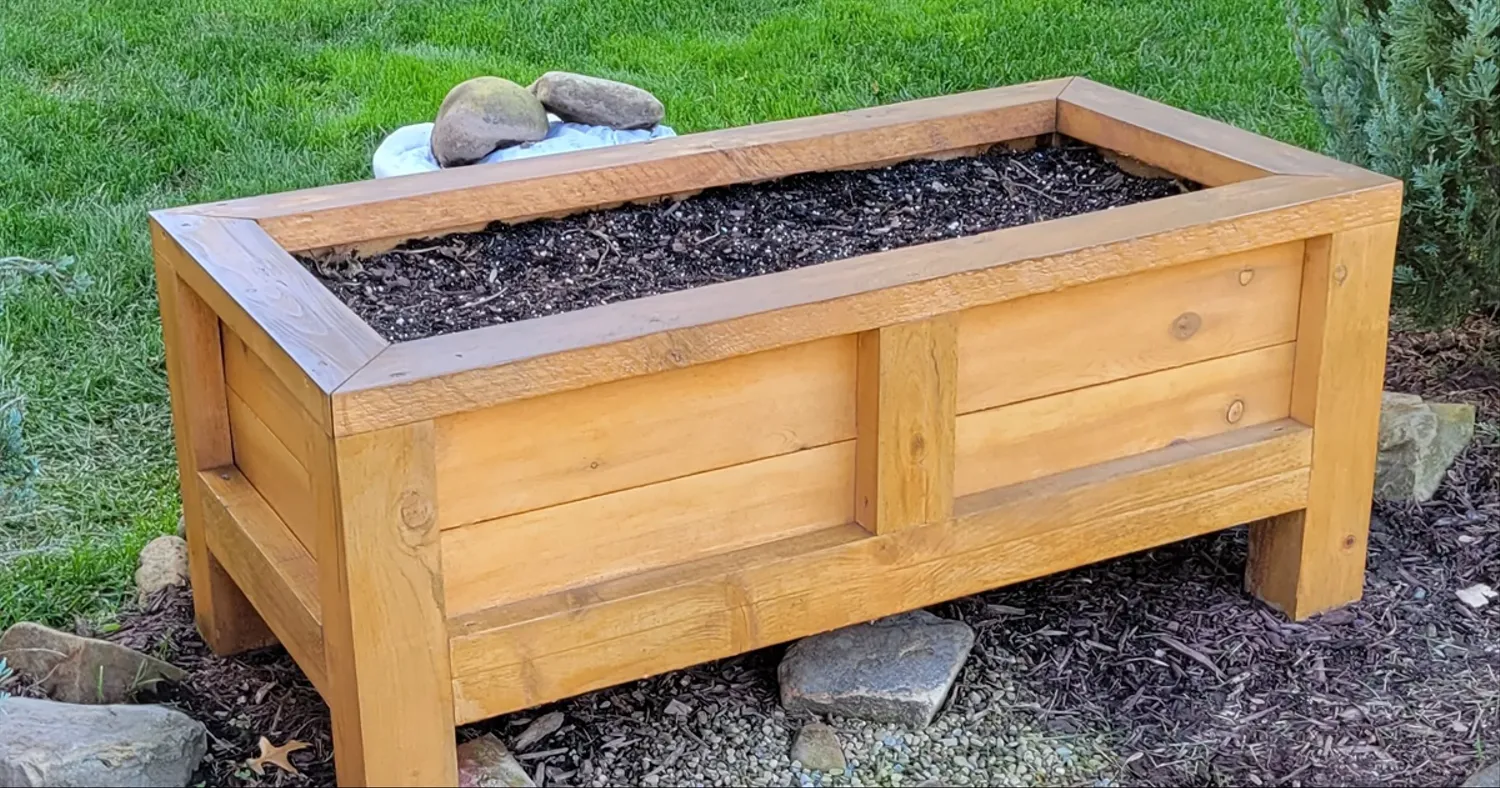
Raised beds are a favorite among gardeners for their potential to enhance drainage of the soil, avoid soil compaction, and provide a tidy and organized place to garden. Yet, the wood that one uses for raised beds greatly contributes to how long they last and how well they perform. With so many various kinds of woods available, cedar stands out due to its longevity, rot resistance, and beauty. Here, we shall be comparing how long cedar elevated garden beds live with other generally utilized woods like pine, redwood, and pressure-treated wood.
Why Cedar is a Top Choice
Cedar is also preferred by gardeners because it resists rot, insects, and water naturally. Cedar wood has natural chemicals and oils, including thujaplicins, which are preservatives that inhibit the growth of fungi. Because of this, cedar garden beds can last 10 to 20 years, depending on the environment and care.
Another benefit of cedar is that it doesn't need to be treated with chemicals to be rot-resistant, making it a healthier option to use when growing vegetables and herbs. Its reddish-brown color also weather nicely to silver-gray patina over time, which enhances its visual appeal in the garden.
Comparison with Other Woods
Pine
Pine is cheaper than cedar, but it doesn't last nearly as long outdoors. Untreated pine raised beds can last only 3 to 5 years before they rot and become infested with insects. Pine can be stained or sealed to make it last longer, but the stains and sealants are not always chemical-free, something that some gardeners don't want in their food gardens.
Redwood
Redwood is also a good option for raised garden beds, having the same rot resistance as cedar. Redwood has tannins that discourage insects and rot naturally. Redwood lasts as long as cedar, 10 to 20 years. Redwood is more pricey and harder to find than cedar and is therefore not so popular with bargain gardeners.
Pressure-Treated Wood
Pressure-treated wood is treated with chemicals to prevent rot, insects, and water damage. Current pressure-treated wood is safer than older models, which used arsenic-based preservatives. Yet, some gardeners worry that chemicals seep into the ground. Pressure-treated raised beds last longer than 20 years, making them a highly durable option. Yet, the possible danger of treated lumber makes cedar an even better option for organic and food gardens.
Enhancing the Longevity of Cedar Elevated Beds
As a means to prolong the lifespan of cedar elevated garden beds, pay attention to the following maintenance guidelines:
Good Drainage: Maintain good drainage to avoid water pooling, which will promote wood rot.
Raise the Beds: Elevating the bedding above a gravel base or using a liner will minimize contact with the soil and moisture uptake.
Use Liners: A food-grade, non-toxic liner, like landscape fabric, can keep inner walls safe from constant contact with the soil.
Use Natural Sealants: Although cedar doesn't need treatment, a food-grade, natural preservative applied will extend its lifespan even further.
Conclusion
Safety and durability are two considerations when selecting wood for raised garden beds. Cedar is also among the best in its own right when it comes to natural rot, insect, and moisture resistance, lasting 10 to 20 years. Redwood is as durable, but it may be more expensive. Pine is cheaper but must be replaced often. Pressure-treated wood will last the longest but can leach chemicals into the ground that nobody wants there. For gardeners who are seeking raised garden bed materials that are a compromise of durability, safety, and beauty, cedar offers one of the best options.