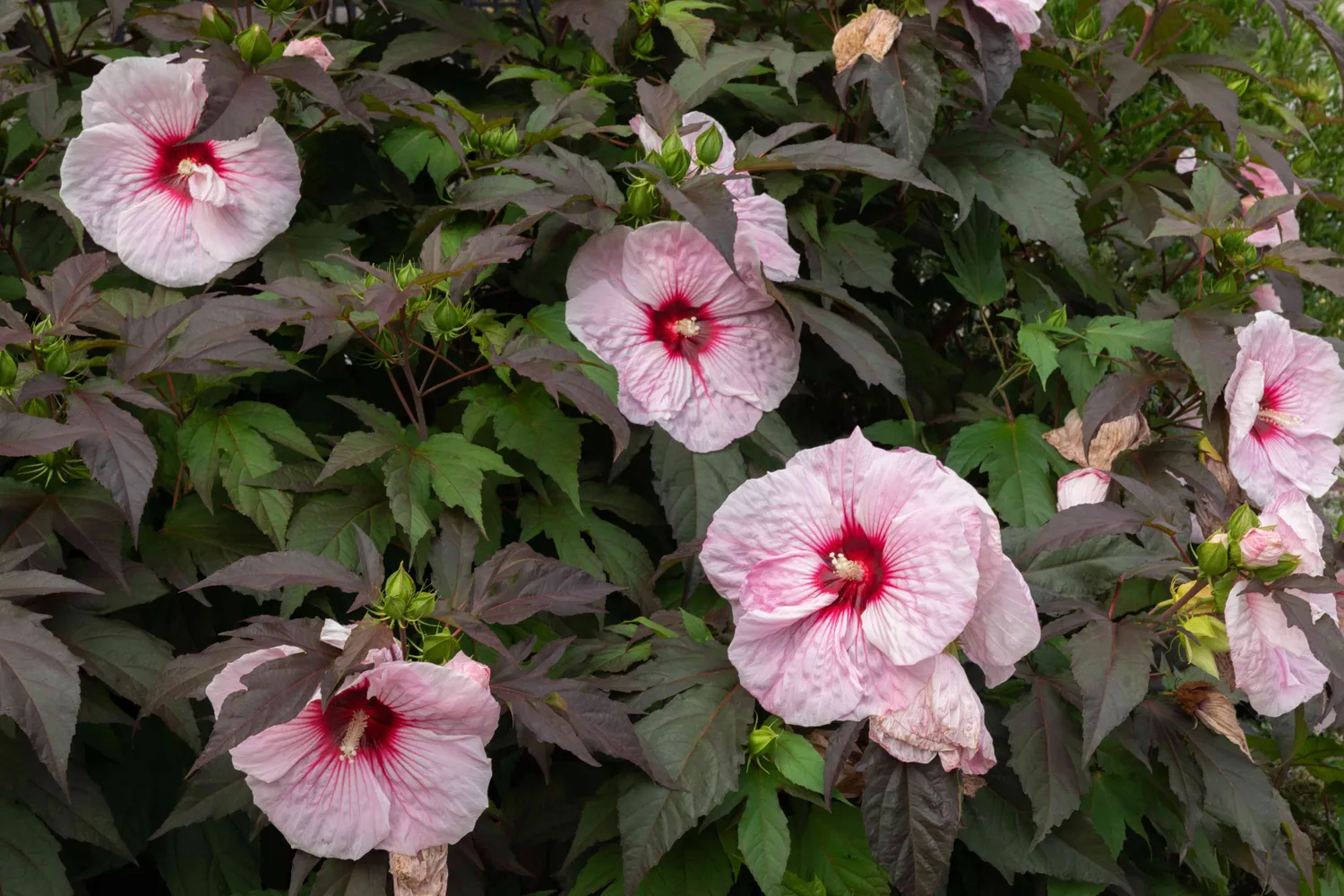
Hibiscus plants are loved throughout the world for their flashy, trumpet-shaped flowers and healthy green leaves. However, they need specific care conditions, depending on whether you grow it inside or outside. Differences in care can help make your hibiscus happy in whatever corner of the world you are in; maybe it is gracing your living room or lighting up your garden.
Indoor Hibiscus Care
In a region that gets a little too cold or perhaps even throughout the year, growing hibiscus indoors is an excellent choice. Here are some essential factors:
1. Light Requirements
Hibiscus plants require plenty of bright, indirect sunlight in indoor environments. A south-facing window is ideal, though be careful not to have them exposed to scorching midday sun; that might scorch the leaves. Use grow lights if you feel the natural light is too meager.
2. Temperature and Humidity
Hibiscus loves the temperature of between 65°F and 75°F. The plants also prefer a high level of humidity. In case your home experiences low humidity, use the humidity tray or small humidifier to emulate their tropical home.
3. Watering
Indoor hibiscus requires consistent moisture but should not be waterlogged. Allow the top inch of soil to dry before watering. Overwatering can lead to root rot, while underwatering can cause the leaves to wilt.
4. Fertilizing
Use a balanced, water-soluble fertilizer every two weeks during the growing season (spring and summer). Reduce feeding in the winter months when the plant enters a semi-dormant state.
5. Pest Control
Indoors, hibiscus plants are vulnerable to pests such as aphids, spider mites, and whiteflies. Check your plant regularly and treat infestations immediately with insecticidal soap or neem oil.
Outdoor Hibiscus Care
Hibiscus plants thrive outdoors in tropical and subtropical regions where they have full access to natural sunlight and fresh air. Here's how to care for your outdoor hibiscus:
1. Sunlight Needs
Hibiscus thrives outside in full sun. Aim for at least 6 to 8 hours of direct sunlight daily. Some midday shade in extreme heat can prevent heat stress.
2. Temperature and Climate
The plants prefer temperatures over 50°F and struggle with frost or extended periods of cold. If you have a region with really cold winters, plant your hibiscus in pots so they can move inside during the winter.
3. Watering
Outdoor hibiscus require more frequent watering than those indoors, and especially when it is extremely hot. Keep the soil moist at all times, but never soggy. Mulching around the plant base can retain moisture and regulate the temperature.
4. Fertilization
Apply slow-release fertilizer or high potassium to stimulate blooming. Fertilize every month during growing season and scale back the feeding during the fall and winter.
5. Pruning and Maintenance
Regular pruning encourages bushier growth and more blooms. Remove dead or yellowing leaves and spent flowers to keep the plant looking vibrant and healthy.
Key Differences
1. Light: Indoor plants need indirect light, while outdoor plants thrive in full sun.
2. Watering: Indoor hibiscus requires less water than outdoor hibiscus due to controlled conditions.
3. Temperature: Outdoor hibiscus is more exposed to temperature fluctuations, whereas indoor hibiscus enjoys stable conditions.
By tailoring care to your hibiscus plant's growing environment, you'll be able to enjoy stunning flowers and lush foliage for years to come. Whether adorning your living room or enhancing your garden, these tropical beauties will reward you with their charm when cared for properly.