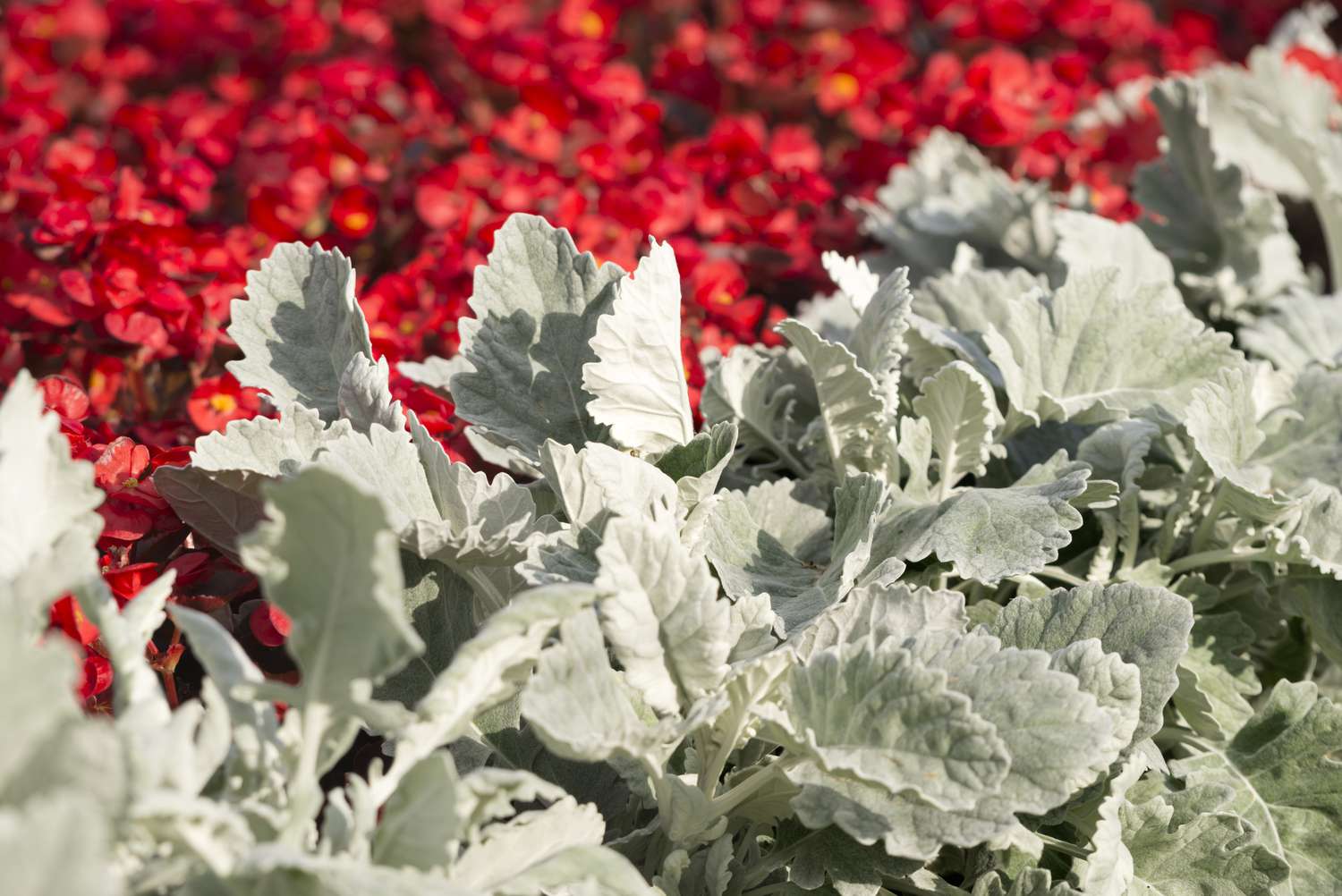
Dusty Miller, Jacobaea maritima, can be considered a favorite decorative plant due to its striking display of silver-gray foliage. This is an extremely adaptable and hardy plant that adds beautiful texture and contrast to various gardens. Dusty Miller is ideal for enhancing both flower beds, borders, and containers. Here's your complete guide on how to plant and care for it.
Why Use Dusty Miller?
Dusty Miller can stand out the most in even the average backyard due to silvery colorized foliage on its soft-velvet, intricate-patterned leaves. For further than aesthetics alone, however, Dusty Miller is relatively maintenance-free and drought-resistant yet deer-proof, allowing the plant for use with other plants as part of their landscape in almost every combination. For most gardens it will make an ideal annual, while it should succeed as a perennial in zones 8 - 10.
The Correct Location
Dusty Miller prefers full sun but can tolerate partial shade. The more sunlight it receives, the more vibrant its silver color becomes. Select a location with well-draining soil to prevent root rot, as Dusty Miller does not thrive in waterlogged conditions. If your soil is heavy or clay-like, consider amending it with sand or organic matter to improve drainage.
Planting Dusty Miller
1. Timing: Plant Dusty Miller in the spring after the last frost. If you’re starting from seeds, sow them indoors 6-8 weeks before the last expected frost date.
2. Preparation: Prepare the planting area by loosening the soil to a depth of 6-8 inches. Mix in compost or a balanced fertilizer to provide nutrients.
Space them at 8-12 inches to accommodate their mature height and width, as this will grow to around 6-12 inches. Spacing will facilitate better air circulation and not overgrow each other.
3. Planting: Dig a hole, slightly larger than the root ball of your plant. Place your plant in the hole such that the top of the root ball is level with the soil surface. Fill up the hole with soil and then press it gently to eliminate air pockets. Water heavily.
Caring for Dusty Miller
1. Watering: Water it regularly after planting to help develop roots. Once it has established, Dusty Miller is drought tolerant and needs only occasional watering. Allow the soil to dry out between waterings.
2. Fertilizing: A balanced, slow-release fertilizer is applied once a month during the growing season. Do not over-fertilize, as this will reduce the plant's silver color.
3. Pruning: Prune back leggy or overgrown stems to keep the plant shaped compactly. Dead-heading spent flowers if the Dusty Miller blooms encourages a more lush foliage growth.
4. Pest and Disease Control: Dusted Miller is a nearly pest-free plant, yet it may sometimes attract an aphid infestation or two. Insecticidal soap or neem oil can be used on infestations. Use proper spacing and drainage to prevent fungal disease.
Using Dusty Miller in Your Garden
It combines beautifully with any bright-colored flowers such as petunias, marigolds, or geraniums. The neutral silver color of this plant pairs wonderfully with any other color to provide striking contrasts. It is good for a border plant or in mixed containers and is a perfect backdrop for the brighter blooms.
Overwintering Tips
In colder climates, one can grow Dusty Miller as an annual or bring it in before the first frost of winter. Place it by a sunny window and give it sparing waterings during winter months.
Conclusion
Dusty Miller is one of those versatile and highly visually striking plants that can beautify any form of design for a garden. Since it has some low maintenance, it works perfectly for even the most inexpert gardeners. Here's how to enjoy the gorgeousness of this plant across the whole growing season with the care and planting methods below:.