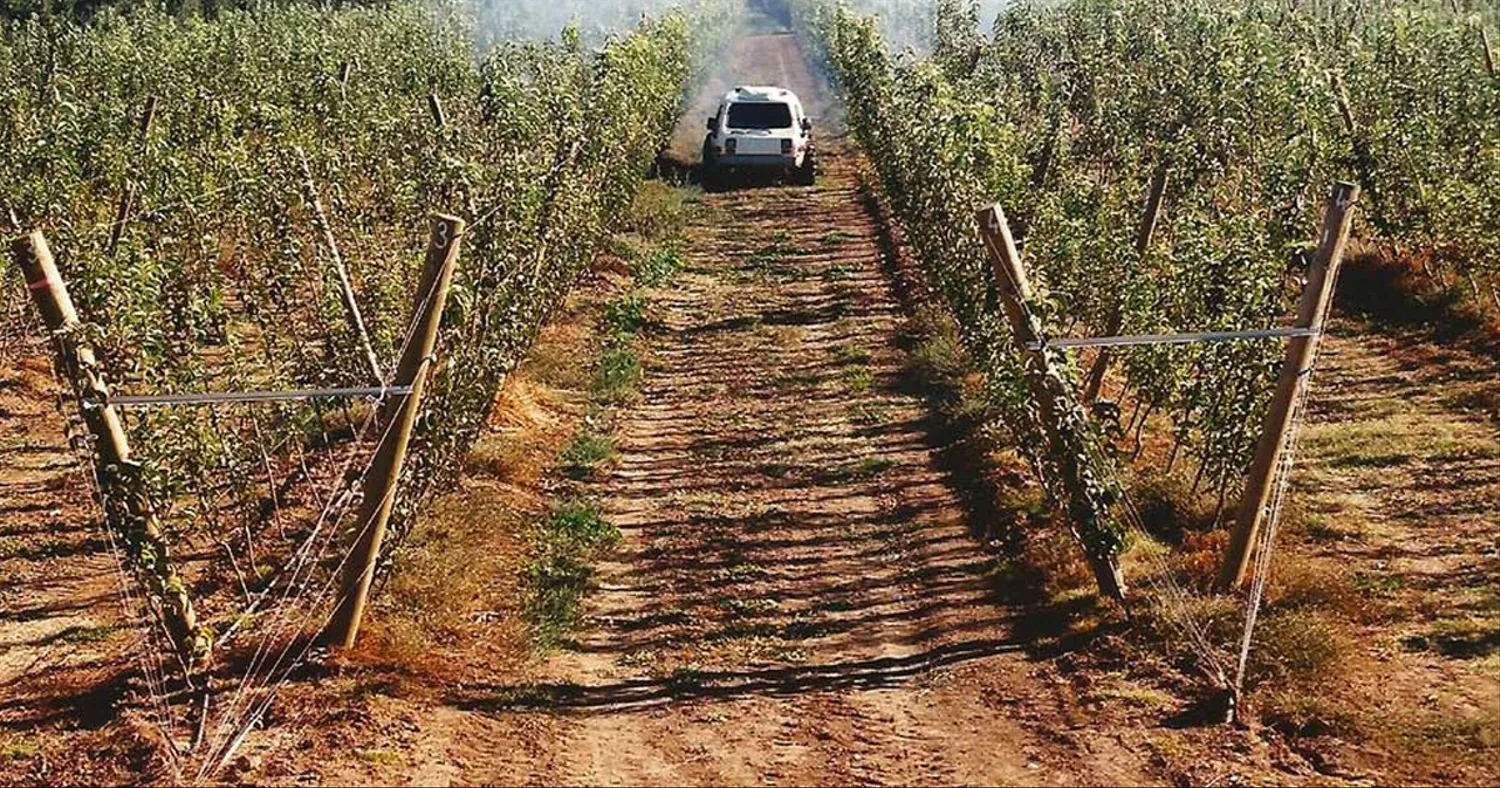
Fruit trees do best if the soil is well prepared for planting and proper nutrition is provided to sustain them through good harvests. Good soil preparation supports trees to make strong root systems, acquire essential nutrients, and resist pests and diseases. Here is an exhaustive procedural guide to the preparation of soil for healthy fruit trees.
1. Location Selection
Before initiating soil preparation, a site should be selected that fits the requirements for planting. Fruit trees require at least six to eight hours of full direct sunlight every day. Choose a location with good airflow to reduce the risk of diseases and avoid frost pockets that can damage flowering buds.
2. Soil Testing
The testing of the soil will tell you the pH, nutrient, and texture status. It can be done with a home kit or through a local agricultural extension service. Most fruit trees require a slightly acidic-to-neutral environment of pH 6.0-7.0. If the pH is below 6.0, lime must be applied to the soil; if above 7.0, the corresponding top-dressing must be carried out using sulfur or organic matter.
3. Soil Drainage Must Be Improved
Waterlogging of soils is a nuisance to semi-tropical fruit trees: it causes root rot. Where heavy clay soils dominate surfacing drainage:
Make additions of organic materials like compost and well-rotted manure.
Add sand or perlite to assist in aeration.
Create raised beds or mounds to facilitate root growth.
Where sandy soils exist, ensure water and nutrient retention. Mix peat moss, compost, or aged manure.
4. Spruce Up Soil Fertility
Fertile soil makes available nutrients for the sustainable growth of fruit trees. Make the soil more fertile by:
Incorporating well-rotted compost or manure into the soil prior to planting.
Balanced organic fertilizer should be used, for example, one containing 10-10-10 N-P-K, to encourage healthy.
Apply phosphorous-rich bone meal and rock phosphate to assist root development.
Add potassium sources such as wood ash or kelp meal, vital for fruiting.
5. Maintain a Good Soil Structure
Fruit tree roots like soil that is loose and aerated. Never compact the soil:
Dig a double hole at the site of planting (up to 12-18 inches of loosening).
Avoid the use of heavy machinery and excessive foot traffic around the younger trees.
Use mulch to prevent soil compaction and retain moisture.
6. Weeds and Pests Must Be Controlled
Weeds compete for nutrients and water alongside fruit trees. To manage weeds, you must:
Use a thick layer of organic mulch (2-4 inches) around the bases of the trees.
Avoid chemical herbicides for weed control that can damage tree roots.
Encourage beneficial insects and, if necessary, use organic methods to control pests.
7. Watering Should Be Done Wisely
Soil moisture is vital for the life of the tree. Too much moisture produces root rot, while too little inhibiting the growth of the tree. The following methods must be observed:
Put in place an irrigation system such that newly planted trees are watered deeply but seldom. This helps with the growth of deeper roots.
Watering should be done through drip irrigation or using a slow soaking hose for even moisture supply.
Mulch around the base to save moisture and serve as temperature control for the soil.
8. Let the Soil Settle
Let the amended soil stand for a few weeks prior to planting. This allows for the organic matter to integrate with the soil and offers an environmentally balanced condition to plant. A final soil test can be performed if required, and the soil will then be ready for planting your fruit trees.
Conclusion
Proper soil preparation is the basis of growing healthy, fruitful trees. Viable locations, soil testing and amendments, drainage improvement, plus fertility management give a good life for healthy trees to expectantly bloom and bear fruit. With love and care, you are going to enjoy the sweet blessings that come from such home-grown fruit for many years.