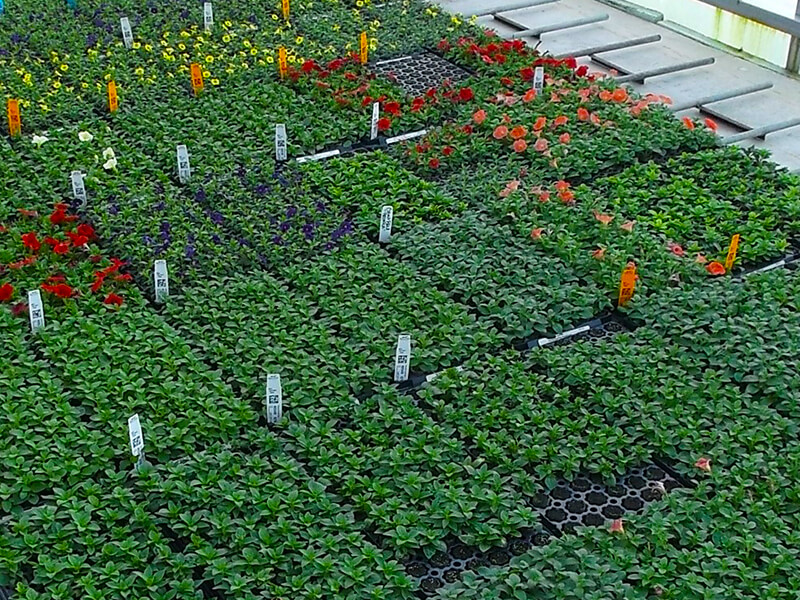
Propagation is one of the most fascinating and rewarding ways to build your plant collection. A good propagator, regardless of how long they have been around, can save them a lot of money while at the same time protecting the world's rare species by simply multiplying them. To successfully propagate, follow these key guidelines.
1. Right Method of Propagation
The various methods of propagation vary depending on the species of plants. The most common are:
1. Cuttings: Suitable for plants such as pothos, philodendrons, and succulents. Choose a healthy stem or leaf cutting and root it in water or soil.
2. Division: Suitable for plants like hostas or snake plants. Carefully separate the plant into smaller sections, ensuring each has roots attached.
3. Layering: Suitable for shrubs and climbers. Bend a low branch to the ground, cover part of it with soil, and wait for roots to form.
4. Seeds: Suitable for annuals and some perennials. Make sure you use fresh seeds and observe the particular germination requirements of your plant.
2. Use Sterile Tools
Always use clean, sharp tools when taking cuttings or dividing plants. Dirty tools can introduce pathogens that harm your plants. Sterilize your tools with rubbing alcohol or a diluted bleach solution before and after use.
3. Choose Healthy Parent Plants
Select disease-free, pest-free and stress-free parent plants. A healthy plant is likely to produce vigorous offspring, raising the chances of successful propagation.
4. Provide Conditions for Success
Creating appropriate conditions is the secret of success for new plants, such as:
1. Humidity: High humidity stimulates the growth of roots. Create a plastic bag or use a propagation dome to maintain moisture around the cutting.
2. Light: Position cuttings in bright, indirect light. Avoid direct sunlight which can burn tender growth.
3. Temperature: Most plants root well at temperatures between 65°F and 75°F (18°C to 24°C). Use a heat mat if necessary.
4. Medium: Use a well-draining propagation medium, such as a mix of perlite and peat moss, or simply water for some species.
5. Be Patient
Propagation takes time. Some plants root within days, while others may take weeks or even months. Avoid disturbing the cuttings to check for roots too frequently, as this can hinder progress.
6. Monitor and Adjust
Regularly check your cuttings for signs of growth or issues. Remove any decaying leaves or stems promptly. If you’re rooting in water, change the water weekly to prevent stagnation and bacterial growth.
7. Gradual Transition
Once roots have developed, transition your new plant to soil or its permanent home gradually. For water-rooted cuttings, acclimate them to soil by keeping the medium consistently moist during the first few weeks.
8. Label Your Plants
If propagating multiple species, label each cutting to avoid confusion. This is especially helpful for plants with similar appearances.
9. Keep Learning
Propagation is an art as well as a science. Try various techniques and take lessons from the failures. You can get useful tips by joining gardening clubs or through plant care literature.
Through these tips, you will be able to propagate plants with success and feel happy in seeing your green family growing. Happy propagating!