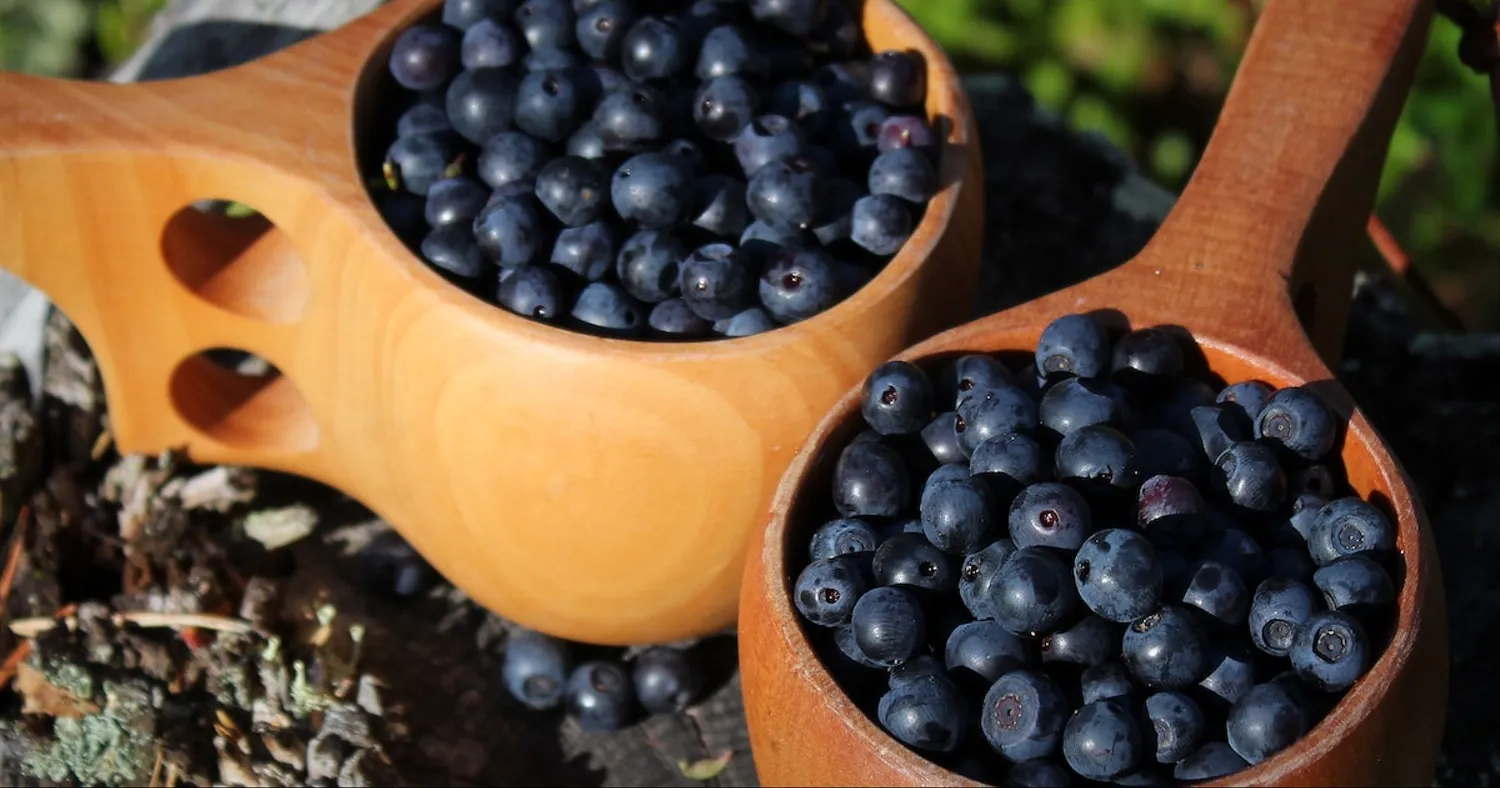
Benefits of Blueberry Cultivation in Greenhouse
The aspects that a greenhouse provide for successful blueberry production range from protection against harsh weather and extended growing seasons to controlled environments to grow conditions. Choosing the suitable blueberry cultivars is vital for high yield, better fruit quality, and overall plant health. There are many factors to consider when selecting Blueberries in a Greenhouse cultivation; they include growth habit, chilling requirements, and disease resistance.
Key Factors to Consider:
Low-Chill Varieties or No-Chill Varieties
One of the most crucial things to think about as far as growing blueberries in the greenhouse is figuring out which of the varieties require the least chilling hours. Chilling hours refer to the amount of cold temperature exposure necessary for dormancy break and flowering/fruiting induction. Because the greenhouse is generally defined as optimum high-temperature control, low-chill or no-chill blueberry varieties can be included in the best options. Some excellent examples of such varieties include the following:
Southern Highbush Blueberries: Require fewer chill hours for excellent fruits in controlled environments. Prominent cultivars include ‘Misty,’ ‘Sunshine Blue,’ and ‘O’Neal.’
Rabbiteye Blueberries: Traditionally grown in mild climates, some rabbiteye types, like ‘Pink Lemonade’ and ‘Brightwell,’ might adapt to greenhouse conditions as long as temperature is maintained properly.
Compactly Growing and Container-Friendly Growth Habit
It makes sense to choose well-defined particular varieties when space is a premium in a greenhouse-compound setting. They take up less space when spread out and grow well in containers or raised beds. Recommended compact-forms include:
‘Jelly Bean’-A diminutive bushy individual that bears sweet-tasting and flavorful small berries.
‘Sunshine Blue’-it is semi-dwarf, self-pollinating, and suitable for containers.
3. Self-Pollinating Varieties
Pollination in greenhouses is often a headache for most of the growers because natural activity of pollinators is limited within the structures. Therefore, self-pollinating varieties tend to give guaranteed fruit setting. Examples of some self-fertile varieties include:
‘Sunshine Blue’
‘Top Hat’
‘Bluegold’
Some of the varieties are self-pollinating, but a bumblebee or manual pollination will increase yield and size of fruits.
4. Disease Resistance and General Adaptability
Sometimes a high-humidity or else controlled environment would develop disease problems such as root rot and powdery mildew. Choosing disease-resistant varieties will minimize the chances of such incidence. The Southern Highbush varieties are by far known for their resistance to common fungal infections. Providing proper air circulation and well-draining soil as well as keeping humidity levels will also keep plants healthy.
Conclusion
The right varieties are important anytime you grow blueberries in a greenhouse. Low-chill, compact, self-pollinating varieties resistant to diseases are best in greenhouse cultivation. Varieties like ‘Sunshine Blue,’ ‘Jelly Bean,’ or ‘Bluegold’ are famous to growers because of their excellent production, high-quality fruit, as well as adaptability to controlled environments.