The question of whether to display timepieces on a winder or secure them in a vault is more than a matter of preference, for serious watch collectors. It reflects priorities around preservation, accessibility, security, and the overall philosophy of collecting. Both approaches serve distinct purposes, and the decision often depends on how collectors balance the emotional satisfaction of display with the practical necessity of protection. At the center of this debate lies a simple yet critical consideration: how to care for valuable watches while maintaining their integrity over time.
A watch winder is designed to keep automatic watches running when they are not being worn. By mimicking the natural motion of the wrist, a winder ensures that the movement remains active, preventing lubricants from settling and keeping complications such as calendars and moon phases functioning accurately. For collectors who rotate their watches frequently, a winder offers convenience. The watch is always ready to wear, eliminating the need for resetting time and functions. This makes winders particularly appealing for those who view their collection as something to be regularly enjoyed rather than stored away.
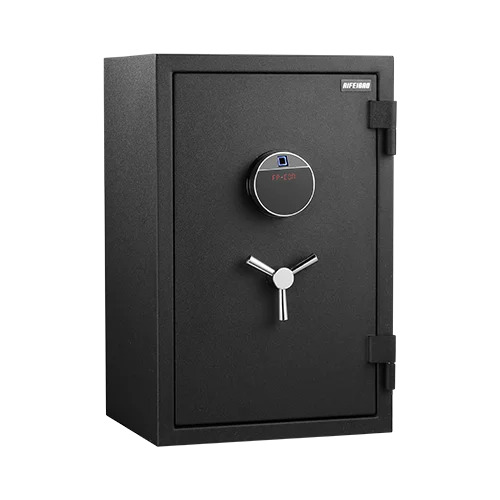
In contrast, a vault or safe provides a controlled and secure environment that prioritizes protection above all else. Watches stored in a safe are shielded from external risks such as theft, accidental damage, and environmental factors. For collectors with high-value pieces, security is often non-negotiable. A safe acts as a barrier, ensuring that the collection remains intact regardless of external circumstances. This approach reflects a mindset that values long-term preservation and risk mitigation over immediate accessibility.
One of the main advantages of using a winder is visibility. Displaying watches allows collectors to appreciate their craftsmanship daily. The aesthetic appeal of a curated display can enhance the emotional connection to the collection. Watches are not merely instruments for telling time; they are works of art, engineering marvels, and symbols of personal taste. A winder transforms storage into a showcase, allowing collectors to engage with their pieces even when they are not being worn.
However, this visibility comes with trade-offs. Watches on display are inherently more exposed. While a winder may offer some level of enclosure, it does not provide the same level of security as a safe. This makes winders less suitable for collectors who prioritize protection above all else. The presence of valuable watches in an accessible location can increase risk, particularly in environments where security cannot be guaranteed.
On the other hand, storing watches in a safe emphasizes discretion. A safe is designed to keep its contents hidden and protected, reducing the likelihood of unwanted attention. This is particularly important for collectors with rare or high-value pieces. The use of a safe ensures that the collection is not only physically secure but also less visible to potential threats. This approach aligns with a philosophy that views watches as assets requiring careful safeguarding.
Another factor to consider is the impact on the watches themselves. Winders keep movements active, which can be beneficial for certain complications. However, continuous operation also means ongoing wear. While modern watch movements are designed for durability, constant motion may contribute to gradual wear over time. Collectors must weigh the convenience of having a watch ready to wear against the potential for increased mechanical activity.
In contrast, watches stored in a safe remain stationary. This reduces mechanical wear but introduces the need for periodic winding and resetting. For collectors who do not frequently wear their watches, this may not be a significant drawback. In fact, allowing a watch to rest can be seen as a way to preserve its longevity. The decision ultimately depends on how often the watches are used and the collector’s willingness to perform manual adjustments.
Environmental control is another important consideration. A safe can provide a stable environment that protects watches from fluctuations in temperature, humidity, and light. These factors can affect the condition of materials such as leather straps and certain dial components. A well-designed safe minimizes these risks, ensuring that watches remain in optimal condition over time. While some winders offer environmental protection, they typically do not match the controlled conditions of a dedicated safe.
Accessibility also plays a key role in the decision-making process. A winder allows immediate access to watches, making it easy to select and wear a piece at any time. This convenience is particularly valuable for collectors who enjoy frequently changing their watches. In contrast, accessing a safe may require additional steps, which can be less convenient. However, for many collectors, this minor inconvenience is outweighed by the benefits of enhanced security.
The choice between a winder and a safe often reflects a broader philosophy of collecting. Some collectors prioritize enjoyment and interaction, viewing their watches as part of their daily lives. For them, a winder represents a practical and visually appealing solution. Others take a more preservation-focused approach, emphasizing security and long-term care. For these collectors, a safe is the preferred option.
It is also worth considering that the decision is not necessarily exclusive. Many collectors adopt a hybrid approach, using both winders and safes to meet different needs. Frequently worn watches may be kept on a winder for convenience, while more valuable or rarely used pieces are stored in a safe. This approach allows collectors to balance accessibility and security, ensuring that each watch is stored in a manner that aligns with its usage and value.
Ultimately, the debate between winder and vault is not about choosing one over the other, but about understanding the trade-offs involved. Each option offers distinct advantages and limitations, and the best choice depends on individual priorities. Whether a collector values the immediate gratification of display or the reassurance of protection, the goal remains the same: to care for watches in a way that preserves their function, beauty, and significance.
In conclusion, the decision to display watches on a winder or secure them in a safe is shaped by considerations of convenience, security, and preservation. Both approaches have their merits, and the right choice depends on the collector’s preferences and priorities. By carefully evaluating these factors, collectors can create a storage strategy that supports both the enjoyment and protection of their timepieces.
Pop over here : https://myafbsafe.com.sg