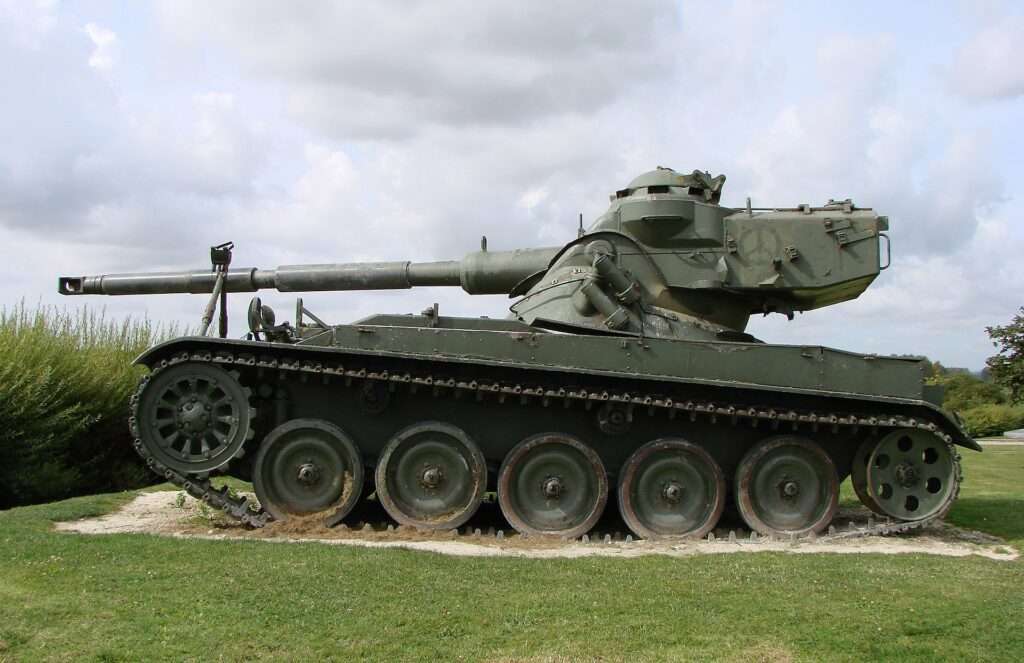
Tank warfare has been a defining element of modern combat since World War I, and it continues to play a critical role on the battlefield. In the ever-evolving world of armored warfare, the design of a tank's turret stands as a pivotal factor in determining not only the effectiveness of the weapon systems it houses but also the safety and efficiency of the crew operating within. This article delves into the intricate relationship between tank turret design and crew safety and efficiency, highlighting key considerations and innovations that have shaped this critical aspect of armored vehicles.
Ergonomics and Crew Comfor
A well-designed tank turret takes into account the comfort and ergonomics of the crew. Crew members often spend long hours inside the cramped confines of a tank, and their efficiency and performance are greatly affected by the layout and design of the turret. Modern turrets prioritize crew comfort by providing adjustable seats, improved visibility, and space optimization.
Protection from Ballistic Threats
Crew safety is paramount in tank design. Turrets are engineered to provide maximum protection against ballistic threats, such as bullets and shrapnel. The materials used in turret construction, the thickness of armor plating, and the design of hatches and access points are all crucial aspects in ensuring crew safety.
Minimizing the Impact of Explosive Devices
In addition to ballistic threats, tanks must also contend with explosive devices. Turret design incorporates blast-resistant features, such as spall liners and reinforced hatches, to reduce the impact of explosions on crew members. These measures are essential for protecting the crew from the devastating effects of landmines and improvised explosive devices (IEDs)
Visibility and Target Acquisition
A well-designed turret enhances crew efficiency by providing excellent visibility and target acquisition capabilities. Advanced optics, periscopes, and fire control systems enable the crew to identify and engage targets quickly and accurately. This capability is critical for a tank's combat effectiveness.
Easy Ammunition Handling
The efficient handling of ammunition is a key aspect of crew efficiency. Turret designs incorporate features such as automated loading systems and well-organized storage compartments to streamline the process of loading and firing ammunition. This reduces crew fatigue and speeds up the rate of fire.
Communication and Situational Awareness
Effective communication and situational awareness are essential for crew coordination. Modern turrets are equipped with advanced communication systems, including intercoms and external cameras, to keep the crew informed about their surroundings and enable them to respond rapidly to changing battlefield conditions.
Innovations in Turret Design
Modular turret designs have gained popularity in recent years. These turrets allow for the rapid interchange of weapon systems and sensors, making it easier to adapt to different mission profiles. This flexibility enhances crew efficiency by enabling tanks to be quickly reconfigured for various roles.
Reduced Crew Complement
Some modern tanks are designed with reduced crew complements, often featuring an autoloader system that eliminates the need for a dedicated loader. While this can improve crew efficiency, it also places greater demands on the remaining crew members, who must multitask to compensate for the reduced manpower.
Conclusion
The design of a tank's turret is far more than just a structural element; it plays a pivotal role in determining the safety and efficiency of the crew operating within. By prioritizing crew comfort, protection from threats, and optimization of crew efficiency, tank designers continue to push the boundaries of what these armored vehicles can achieve on the modern battlefield. As technology advances and new threats emerge, the evolution of tank turret design will remain a critical aspect of armored warfare.