During World War II, technological advancements in aviation led to the creation of some remarkable aircraft that pushed the boundaries of engineering and design. One such marvel was the BV 238, a massive flying boat developed by the German aircraft manufacturer Blohm & Voss. With its impressive size, capabilities, and historical significance, the BV 238 remains a fascinating chapter in the annals of aviation history.
A Brief Overview of the BV 238
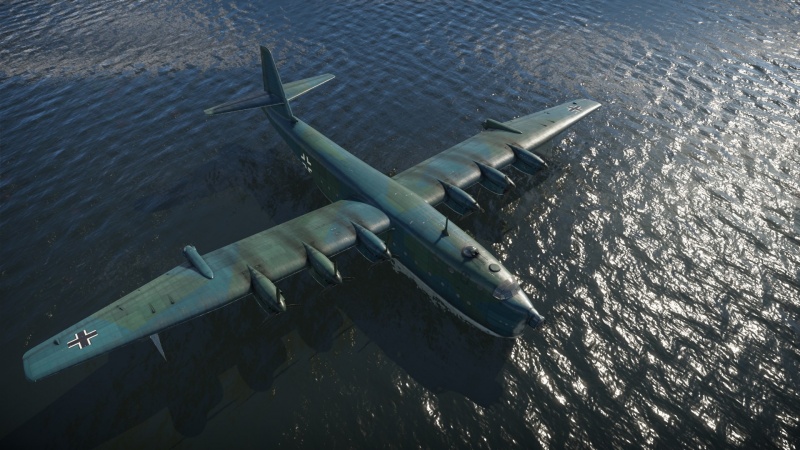
The Blohm & Voss BV 238 was a massive seaplane developed for the German Luftwaffe during World War II. It was designed as a maritime reconnaissance aircraft and long-range maritime patrol bomber, intended to carry out various missions over the Atlantic Ocean and beyond. The aircraft's construction began in the early 1940s, and it made its maiden flight on March 11, 1944. The BV 238 was a true behemoth, with a wingspan of 60 meters (196 feet) and a length of over 43 meters (141 feet).
Design and Features
The BV 238's design was ambitious and innovative, especially considering the limitations of the era's technology. It featured a unique asymmetrical hull design with a central hull pod and an outboard wing float configuration. This design allowed for stable water landings and takeoffs, crucial for a seaplane of its size. The aircraft was powered by six powerful piston engines, each driving a counter-rotating propeller. This engine setup provided the necessary thrust to lift the BV 238 off the water and into the air.
The interior of the BV 238 was spacious and well-equipped. It boasted multiple crew compartments, including a cockpit, gunner stations, and even a rest area for the crew. The aircraft could carry a significant payload, including torpedoes, bombs, or mines, making it a versatile asset for various maritime missions.
Role and Missions
The primary role of the BV 238 was maritime reconnaissance and patrol. It was designed to scout and protect German naval interests, monitor enemy movements, and engage enemy vessels when necessary. With its long range and endurance, the BV 238 was also envisioned as a potential long-range bomber, capable of striking targets across the Atlantic Ocean. However, due to the deteriorating situation for Germany in the later stages of the war, the BV 238's full potential was never realized in combat.
Technological Challenges and Advancements
Developing an aircraft as complex and ambitious as the BV 238 presented numerous technological challenges. The construction of such a massive flying boat required advanced engineering techniques, innovative materials, and skilled craftsmanship. Additionally, the integration of multiple engines and complex systems demanded meticulous attention to detail.
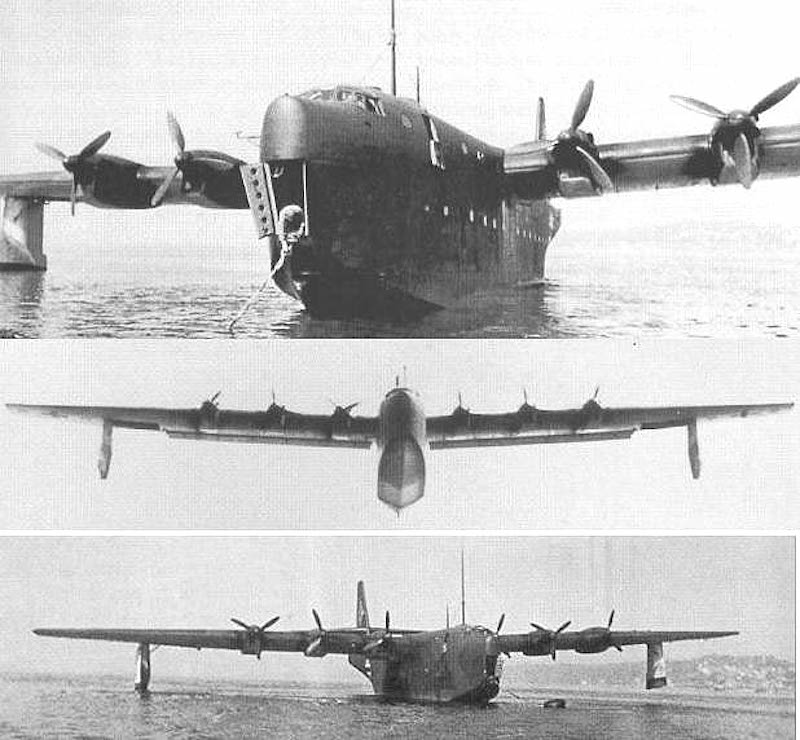
The BV 238 showcased several technological advancements for its time. Its use of counter-rotating propellers reduced torque and improved stability during flight. The aircraft's streamlined design minimized drag, enhancing its overall performance. Furthermore, the BV 238's ability to take off and land on water demonstrated the advancements in seaplane technology.
Legacy and Historical Significance
Despite its limited operational service, the BV 238 remains a significant artifact of aviation history. It serves as a testament to the ambitious engineering projects undertaken during times of conflict. The aircraft's colossal size and unique design continue to capture the imagination of aviation enthusiasts and historians alike.
The BV 238's legacy extends beyond its physical existence. Its development pushed the boundaries of aviation technology, inspiring subsequent generations of engineers and designers. The lessons learned from designing and building such a massive seaplane contributed to advancements in aircraft design, materials, and aerodynamics.
Conclusion
The Blohm & Voss BV 238 stands as a testament to human ingenuity and ambition during a tumultuous period in history. Its awe-inspiring size, innovative design, and intended capabilities underscore the remarkable achievements made in aviation technology during World War II. While the BV 238 may not have fulfilled its intended combat roles to the fullest extent, its legacy lives on as a symbol of the remarkable feats that can be accomplished through determination, creativity, and skilled craftsmanship.