When pets undergo surgery, their healing process begins immediately. But how do they actually recover? A veterinary clinic plays a crucial role in that journey. Recovery is more than rest; it's guided care and attention. It involves constant observation, proper medications, and emotional support. Understanding this process helps pet owners feel confident. It also builds trust between owners and the veterinary team.
Safe Spaces That Feel Like Home
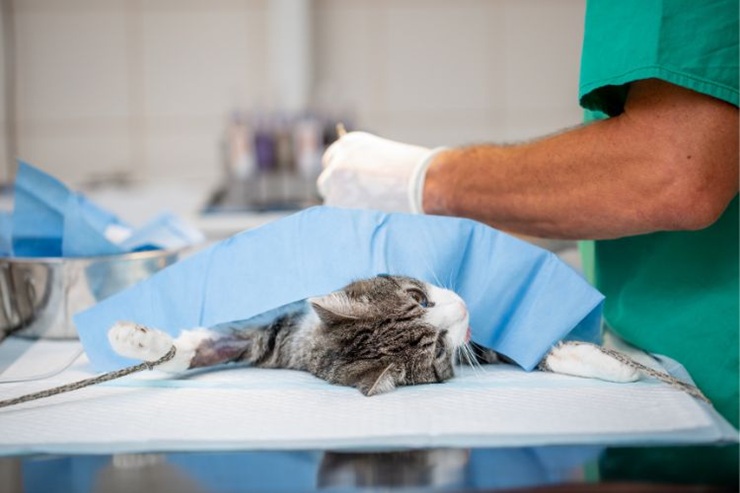
After surgery, pets need calm, familiar surroundings to heal faster. Veterinary clinics create quiet zones to reduce stress. These spaces are free of loud sounds and other animals. Soft bedding and warm lighting make pets feel secure. Clinics monitor temperature and comfort levels closely. These little details matter during sensitive recovery stages.
Professional Monitoring Around the Clock
Pets can't explain if something feels wrong after surgery. That's why trained veterinary staff monitor their condition. Vets check their vitals regularly, looking for signs of pain or infection. Nurses observe eating habits, behavior changes, or discomfort. Timely response helps avoid complications early. Continuous supervision ensures the pet's body heals as expected.
Tailored Pain Management Plans
Surgical pain can affect a pet’s mood and healing speed. Veterinary clinics offer custom pain management strategies. These include injections, oral medications, or natural supplements. Doses are adjusted based on pet size, breed, and reaction. Vets also monitor signs of side effects or overdose. Controlled pain helps pets eat, move, and rest better.
Emotional Comfort Through Human Touch
Recovery is not only physical but emotional for pets. Clinic staff offer gentle words and calming touches. They speak softly and use familiar routines daily. Pets respond to kindness during vulnerable moments. Some clinics even play soft music or use aromatherapy. These emotional bonds reduce anxiety and support faster healing.
Personalized Nutrition and Hydration
Proper food and water are essential during recovery. Veterinary clinics provide nutrient-rich diets to rebuild strength. Special food is given in small, easy-to-digest portions. Water is always available and monitored carefully. Some pets may need IV fluids to stay hydrated. Balanced nutrition supports tissue repair and immunity growth.
Expert Guidance for Pet Owners
Owners also need to understand how to care at home. Clinics provide instructions and printed recovery guides. Staff teach how to give meds, clean wounds, and spot issues. They schedule follow-up visits and answer questions kindly. This guidance builds owner confidence and avoids future problems. Many pet owners rely on clinica veterinaria Valencia for detailed post-surgery support.
Conclusion
Pet surgery recovery is a delicate process that needs professional care. Veterinary clinics become a safe space for healing. From comfort to medication, each detail matters. Trained staff ensure both body and mind recover gently. Their dedication transforms fear into hope. For every pet, the road to recovery begins with trust and expert care.