Many public structures are getting old. Bridges, tunnels, buildings, and other concrete-based systems often show signs of stress after years of use. Repair and strengthening become necessary to keep them safe. Carbon fiber has become one of the popular choices for such repair work. It is used as a reinforcement material in many places. But does it give enough value for the cost? Let us look at how carbon fiber works and whether it is a good choice for strengthening old infrastructure.
Why Use Carbon Fiber on Old Structures?
Old structures face problems like cracks, corrosion, or sagging. Traditional methods of repair may need large machines, heavy steel parts, or full replacements. These take more time and money.
Carbon fiber takes less time to install. It does not need cutting or removing major parts. It can be applied with fewer workers and tools. For structures like flyovers or factories that cannot be shut down for long, this method helps complete the work faster.
Is It Strong Enough for Structural Use?
Yes. Carbon fiber has high strength. It is also light. When added to beams or columns, it increases the load they can carry. It can be used to improve bending strength, reduce shear cracks, or confine a section.
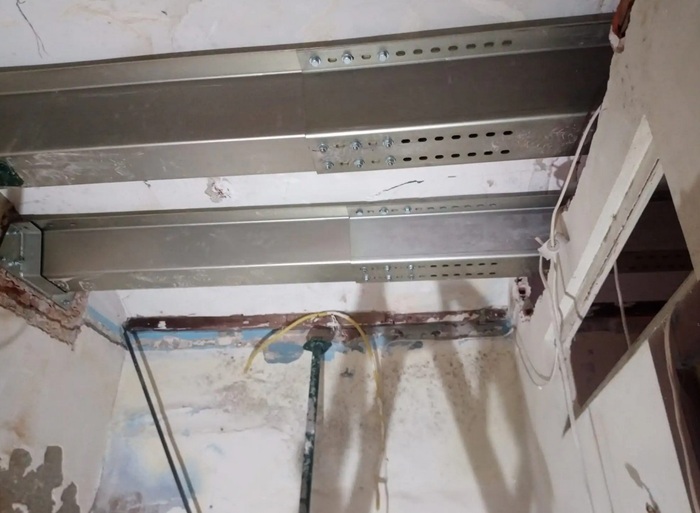
In structural reinforcements (refuerzos estructurales), carbon fiber is often used in strips placed in the direction of the stress. Once installed, it gives support similar to that of steel, but without the added weight.
How Long Will It Last?
Carbon fiber does not rust or react with water. It holds up well in harsh weather and chemical exposure. If installed properly, it can last for several decades.
Old buildings that receive this type of repair do not need frequent maintenance. This reduces cost in the future and helps keep the structure in use without interruption.
How Much Time Does the Work Take?
Carbon fiber can be installed in a short time. The surface is cleaned. A bonding material is applied. Then the fiber is pressed onto the area and allowed to cure. There is no need to drill, cut, or weld. This saves time.
In places like warehouses, hospitals, or railway stations, fast repairs are important. Carbon fiber helps finish the work with less disturbance.
What Are Its Limits?
Carbon fiber cannot fix everything. If the base concrete or steel is too damaged, the reinforcement may not help. In such cases, deeper repair is needed.
The surface must be clean and strong. The work must be done by trained staff. If the fiber is not placed properly or the resin is not mixed right, the result may fail. So, quality control is important.
Conclusion
Carbon fiber reinforcements are useful for strengthening aging infrastructure. They provide good strength, long service life, and quicker repair time. While they are not suited for every case, they are a smart choice in many projects. For most old buildings and bridges that need support without delay, carbon fiber gives a clear advantage.