Modern car keys are remarkable pieces of technology. They're no longer just simple metal blades that turn ignition cylinders. Today's keys contain sophisticated electronics, communicate wirelessly with your vehicle's computer systems, and include security features that make unauthorized duplication nearly impossible. This complexity protects your vehicle beautifully—until something goes wrong with your keys and you're suddenly facing an expensive, frustrating situation.
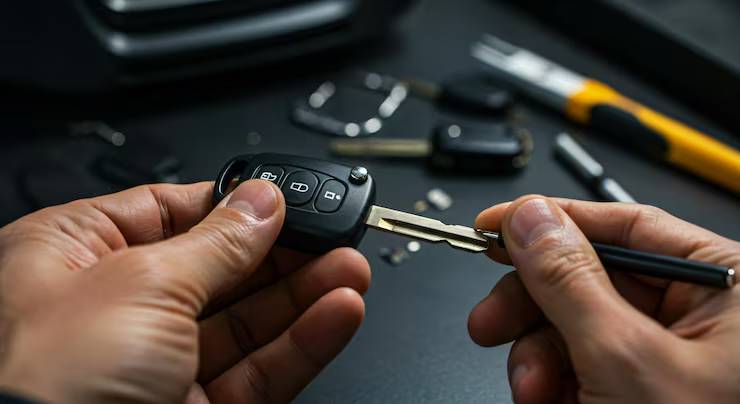
The Many Ways Keys Create Problems
Car key issues strike at the worst possible moments. You're rushing to an important meeting when your key snaps off in the ignition. You return from grocery shopping to find your keys missing from your pocket. Your teenager loses the spare key you gave them for emergencies. Your key fob stops working entirely despite fresh batteries. Or perhaps you're standing in a parking lot staring at your keys sitting on the driver's seat of your locked car.
These scenarios happen to everyone eventually. Keys are small objects we handle constantly under various conditions. They get dropped, sat on, exposed to moisture, and subjected to forces they weren't designed to withstand. The surprise isn't that keys occasionally fail—it's that they work reliably as often as they do given how much abuse they endure.
The complications arise because modern vehicle keys aren't simple to replace like the keys from decades past. You can't just visit the local hardware store and get copies made in five minutes. The electronic components, security chips, and programming requirements mean that automotive key replacement has become a specialized service requiring specific knowledge and equipment.
Understanding Modern Key Technology
Today's vehicle keys typically incorporate multiple technologies working together. The physical key blade still exists for mechanical door locks and ignition cylinders, though some newer vehicles have eliminated physical ignitions entirely. Transponder chips embedded in key heads communicate with your car's immobilizer system—without the correct chip signal, the engine won't start even if the mechanical key works perfectly.
Remote entry fobs allow you to lock, unlock, and sometimes start your vehicle from a distance. These communicate wirelessly using encrypted signals unique to your specific vehicle. Proximity sensors in newer keyless entry systems detect when the key is near, automatically unlocking doors and allowing push-button starting without removing the key from your pocket or purse.
This layered security protects vehicles effectively against theft. However, it also means that losing your only key or having all keys fail simultaneously creates situations far more complicated than simply cutting a new key blank. You need programming equipment that can synchronize new keys with your vehicle's computer systems—equipment that most locksmiths didn't need when keys were purely mechanical.
When You Need Spare Keys
The best time to think about spare keys is before you actually need them. Waiting until you've lost your only key turns a manageable situation into an emergency. Creating spare keys while you still have working originals is always easier and usually less expensive than emergency replacements.
Professional automotive key duplication services handle this process correctly from start to finish. They verify your vehicle's year, make, and model to ensure they're creating compatible keys. They cut physical key blades to precise specifications matching your original. They program transponder chips with the correct codes for your vehicle's immobilizer system. And they test everything thoroughly before handing you keys that actually work.
The process for getting duplicates varies depending on your vehicle's key system complexity. Older vehicles with simple keys take minutes. Newer vehicles with sophisticated systems might require more time as technicians program multiple components. Either way, having spares made proactively costs less and creates less stress than waiting until you're stranded without working keys.
Where you keep spare keys matters too. Hiding spares under floor mats or in wheel wells seems convenient but creates security risks. Giving spares to trusted family members or neighbors provides emergency access without compromising security. Some people keep spares at work or other locations they visit regularly, ensuring backup access without keeping spares in the vehicle itself.
Emergency Replacement Situations
Despite best intentions, sometimes you find yourself needing emergency replacement keys. You've lost all your keys, they've been stolen, or they've failed completely. These urgent situations require quick solutions that get you back on the road without days of waiting or astronomical costs.
Mobile locksmith services provide crucial value in emergencies by coming directly to your location. Whether you're stranded at home, stuck at work, or immobilized in a shopping center parking lot, professional help arrives where you need it. This eliminates the complication of towing your vehicle somewhere—which would be necessary if you couldn't drive it and needed keys made at a shop location.
Emergency services carry the equipment necessary to create new keys without originals to copy from. Using your vehicle's VIN number, they can determine correct key specifications and cut appropriate blanks. Programming equipment lets them synchronize new keys with your vehicle's systems on-site. Within an hour or two, most situations go from "completely stranded" to "fully mobile" again.
Cost Considerations and Expectations
Key replacement costs vary dramatically based on vehicle type and key complexity. Older vehicles with simple mechanical keys cost least—sometimes under fifty dollars. Vehicles with basic transponder chips cost more due to programming requirements. Luxury vehicles with sophisticated key systems can run several hundred dollars for complete replacements.
Dealership pricing typically exceeds independent locksmith rates significantly. Dealers often charge premium prices because they can, knowing that desperate customers will pay whatever necessary. Independent specialists usually offer better value while providing equivalent or better service quality and convenience.
When comparing costs, consider total expense including service call fees, key cutting, programming, and any parts required. Get clear quotes upfront so you know exactly what you're paying. Emergency after-hours service typically costs more than scheduled appointments, but that premium buys immediate solutions rather than extended waiting.
Programming and Synchronization
The programming process ensures new keys work correctly with your vehicle's security systems. This isn't as simple as cutting metal to match—it involves electronic communication between programming equipment and your car's computer systems.
Different vehicles use different security protocols and encryption methods. Professional locksmiths maintain databases of programming procedures and invest in equipment that handles multiple vehicle brands and models. This breadth of capability means they can help regardless of what you drive, unlike specialized shops that only service specific brands.
Programming must happen precisely according to manufacturer specifications. Incorrect programming leaves you with keys that mechanically fit but don't actually start the vehicle. Professional service ensures all components work together correctly—physical cuts match, transponder chips communicate properly, and remote functions operate as intended.
Prevention and Maintenance
While you can't prevent all key problems, simple habits reduce issues significantly. Avoid carrying heavy keychains that stress ignition cylinders and internal key mechanisms. Keep keys away from extreme temperatures, moisture, and magnetic fields that can damage electronic components. Replace key fob batteries promptly when signals weaken rather than waiting for complete failure.
Inspect keys periodically for wear, cracks, or damage that might cause future problems. Small cracks in plastic key heads can worsen quickly, eventually breaking completely. Worn key blade edges might still work now but could fail unexpectedly. Addressing these warning signs proactively prevents inconvenient failures.
Having working spare keys remains the single best prevention against key emergencies. The modest cost of creating spares while you can provides insurance against much larger problems and expenses later.
Choosing Professional Service
When key problems arise, choosing qualified professionals ensures problems get solved correctly. Look for locksmiths with specific automotive experience, modern programming equipment, mobile service capabilities, and transparent pricing. Local businesses with established reputations stake their success on customer satisfaction, making them more reliable than unknown discount services.
We've been helping drivers across the Gladstone region and surrounding areas for over two decades, solving key problems ranging from simple duplicates to complex emergency replacements. Whether you need spare keys made proactively or you're facing an emergency lockout, experienced help makes all the difference. Don't let key problems keep you stranded—professional solutions are closer than you think.