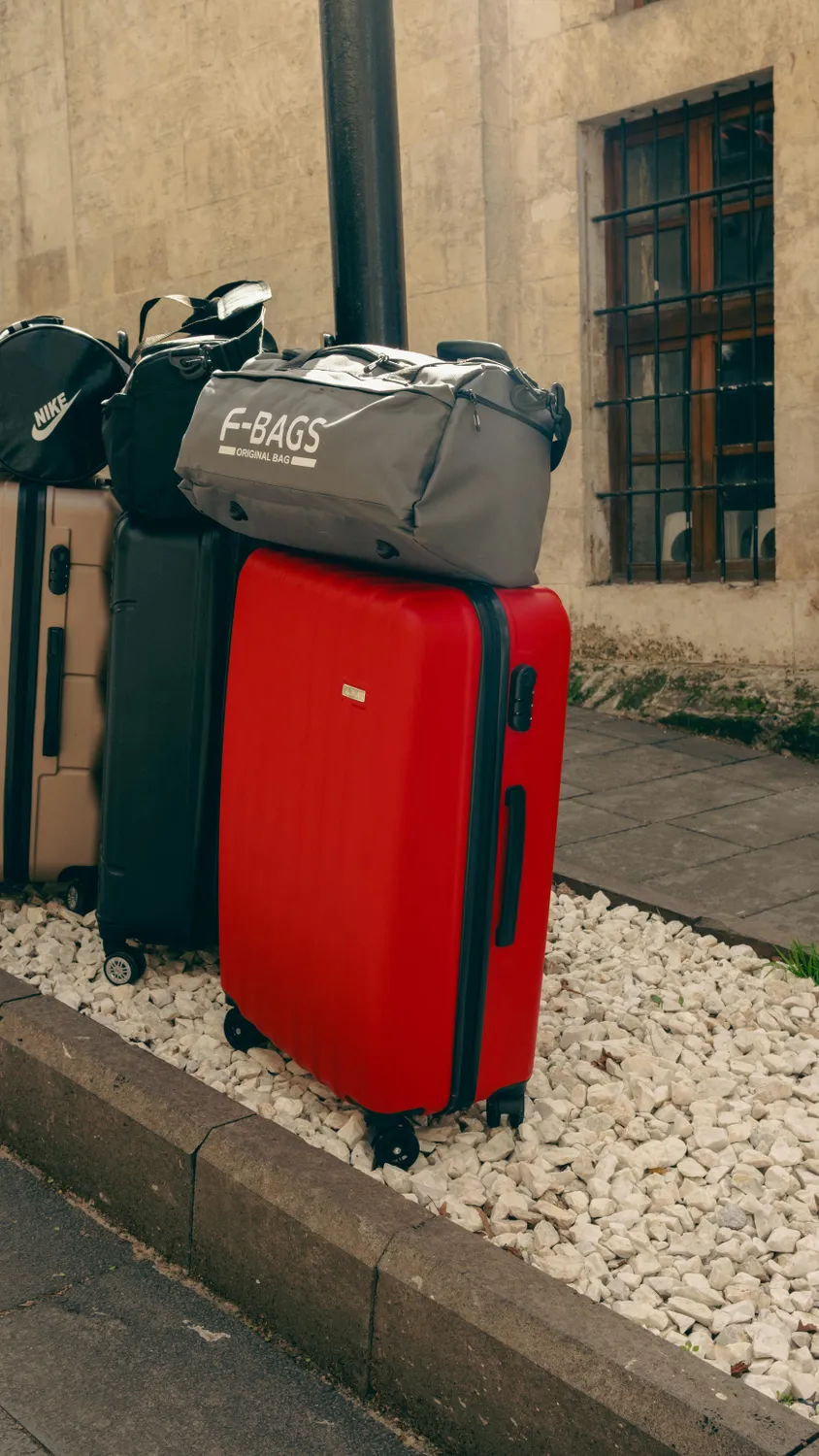
Whether you are heading off on a two-week holiday abroad, commuting to the office every morning, or gearing up for a weekend hiking trip, the bag on your shoulder — or in the overhead compartment — matters more than most people realise. Luggage is one of those purchases that people often make in a hurry, either out of necessity or because something caught their eye on a store shelf. But choosing the right bag for the right purpose can genuinely change how you experience travel, work, and daily life. A laptop side bag that fits your commute perfectly can make your mornings feel less chaotic. A well-chosen suitcase can save you from the nightmare of a broken zipper in a foreign airport. Getting it right is worth the thought.
So, let's talk through the main types of luggage — what they are built for, what they are not, and how to pick the one that actually suits your life.
Hardshell Suitcases: The Armour of the Luggage World
Hardshell suitcases, usually made from polycarbonate or ABS plastic, are what most people picture when they think of checked luggage. They are rigid, they are tough, and they do an excellent job of protecting fragile items — glass souvenirs, electronics, or anything else that would be crushed in a soft bag.
The appeal is obvious. You pack everything in, click it shut, and trust that what's inside will survive the baggage handlers. They come in a range of sizes, from compact cabin bags that just about meet airline carry-on restrictions, to large check-in monsters that can swallow two weeks' worth of clothes without complaint.
That said, hardshell cases have their trade-offs. They tend to be heavier than their soft counterparts even before you have packed a single item, which matters when airlines are increasingly strict about weight limits. They also offer less flexibility — you can't squeeze an extra jacket into an external pocket at the last minute. And if they crack, they crack. A broken hardshell is difficult to repair and can look quite grim by the time it comes out the other end of a baggage carousel.
Still, for international travel, city breaks where you are moving between hotels, or any trip where you are packing things worth protecting, a good hardshell suitcase earns its place.
Softshell Suitcases: Flexibility in More Ways Than One
Softshell suitcases are made from materials like nylon, polyester, or canvas, and they offer a different kind of practicality. They are generally lighter than hardshells, which gives you more room in your weight allowance for actual belongings. They also tend to have more external pockets, which makes organising smaller items — chargers, travel documents, a book — considerably easier.
One underappreciated advantage is that they can flex slightly, meaning you can often squeeze in that last-minute addition without the dreaded "it won't shut" problem. If you are someone who tends to come home with more than you left with (guilty), a softshell gives you a little more room to manoeuvre.
The downside is protection. Softshell bags are more vulnerable to getting wet, and they won't guard fragile items the way a hard case will. They can also be slashed more easily — a minor but real security concern in certain destinations. That said, for short trips, budget travel, or people who pack light and efficiently, a solid softshell suitcase is often the smarter choice.
Backpacks: The Freedom Bag
Backpacks have evolved enormously from the bulging, poorly organised rucksacks of the early 2000s. Today's travel backpacks are engineered thoughtfully, with internal frames for weight distribution, separate compartments for clothing and gear, padded laptop sleeves, and hip belts that transfer weight from your shoulders to your hips on long walks.
For backpackers, gap year travellers, or anyone hopping between hostels across multiple cities, a good travel backpack is often better than a wheeled suitcase. Cobblestones, stairs, unpaved paths, and crammed bus stations all become significantly easier to navigate when your luggage is strapped to your back rather than rolling behind you.
There is also a growing category of carry-on backpacks — compact bags designed to fit in an overhead locker while still holding enough for a week's travel. These are particularly popular with frequent flyers who've grown tired of checked baggage fees and the uncertainty of waiting at a carousel.
The trade-off, as anyone who's carried a full backpack through a hot city will tell you, is physical. A heavy pack on your back in 35-degree heat is no one's idea of fun. Choosing the right size and not overpacking are the two rules that separate happy backpack travellers from miserable ones.
Duffel Bags: Underrated and Underused
Duffel bags don't always get the credit they deserve. They are simple, spacious, and remarkably versatile. At their core, a duffel is just a cylindrical bag with a wide opening, but the best modern versions include shoe compartments, ventilated pockets, padded shoulder straps, and wheeled bases.
For anyone into sport or fitness, they are practically essential — which is why the search for a good sport bag in Sri Lanka tends to spike around the start of the school year and fitness season. They handle gym kit, football boots, cricket gear, and swimming equipment without complaint. But they are equally useful for weekend getaways, short road trips, or as a personal item on a flight.
Finding quality duffel bags in Sri Lanka has become significantly easier in recent years as international brands have expanded their presence in the region and online shopping has made global stock more accessible. The key things to look for are sturdy handles (they take a lot of strain), a waterproof or water-resistant base, and zippers that will not give out on you mid-trip.
Laptop Bags and Side Bags: The Daily Carry
For the daily commuter, the student, or the professional who works across multiple locations, the laptop bag is arguably the most important piece of luggage they own — not because they are travelling far, but because they are using it every single day.
A good laptop side bag is not just a pocket for your computer. It should distribute weight sensibly across your shoulder or body, have enough compartments to keep cables, notebooks, and small accessories organised, and be made from a material that can handle daily wear without looking tired within six months.
The crossbody or messenger style has become particularly popular for urban commuters because it keeps the bag accessible — you can swing it to your front to grab something without taking it off entirely. For those who carry more, a padded backpack-style laptop bag with ergonomic straps is a better choice.
Choosing Quality: Why Brand Matters
Once you have identified the type of luggage you need, the next question is which brand to trust. This is where many buyers either overspend on a name or underspend on something that falls apart too quickly.
One brand that has earned a strong reputation, particularly in the Asian market, is Mark Ryden. Known for their thoughtfully designed backpacks and laptop bags, Mark Ryden has developed a following among students, commuters, and travel enthusiasts. The availability of Mark Ryden in Sri Lanka has grown considerably, making it easier for local buyers to access bags that balance quality construction, smart organisation, and reasonable pricing. Their anti-theft features and USB charging ports have made them especially appealing to the tech-forward commuter.
This kind of brand research matters. Reading reviews, checking materials, and understanding the warranty policy before you buy will serve you far better than choosing based on aesthetics alone.
What to Actually Think About When Choosing Luggage
Beyond the type and the brand, a few practical questions should guide every luggage decision.
How are you travelling? Flying internationally means thinking hard about weight and airline restrictions. Driving or taking a train gives you more flexibility. Walking a lot means wheels may be less useful than a good shoulder bag or backpack.
How long are you going for? A weekend trip rarely justifies a large suitcase. A month away rarely fits in a cabin bag. Matching the bag size to the trip length sounds obvious, but it is surprising how often people get this wrong and either overpack or spend a trip running low on essentials.
What are you carrying? Fragile items need protection. Sports gear needs space and ventilation. Electronics need padding and organisation. Work documents need order and accessibility. The contents should dictate the container.
How often will you use it? A bag used daily needs to be built for wear. A bag used twice a year can afford to prioritise features over durability. Spending heavily on a bag you will use once every few years is rarely a sensible investment; spending lightly on one you will use five days a week almost always backfires.
What's the climate like? If you are regularly travelling in wet conditions, waterproofing is not optional. Sri Lanka's tropical climate, with its unpredictable afternoon downpours, makes water resistance a sensible feature to prioritise — whether you are choosing a travel bag or a daily commuter bag.
A Final Word
Good luggage does not have to be the most expensive on the shelf, but it does need to be the right fit for your specific needs. The best bag is the one that makes your journey — whether that is a cross-continental flight or a daily commute — just a little bit smoother, a little more organised, and a little less stressful. Take the time to choose well, and it'll likely be one of those quiet, satisfying decisions that pays off for years.