Why Muscle Oxygen Monitoring Matters
Staying fit and healthy is not just about exercise—it’s also about understanding what your body needs. One tool that helps you do this is the Muscle Oxygen Monitor. It may sound technical, but it’s actually quite simple and useful. This device tells you how much oxygen your muscles are getting during a workout. When your muscles don’t get enough oxygen, they get tired fast. But when oxygen levels are just right, you can perform better and recover quicker.
Many athletes, fitness lovers, and even beginners now use muscle oxygen monitors to track their performance. It helps them decide when to push harder or when to slow down. In this article, we will break everything down in very simple language. You’ll learn what the monitor does, how it works, and why it’s helpful for your health and fitness.
We’ll also guide you on choosing the best muscle oxygen monitor, using it the right way, and understanding the data it gives. Whether you are a regular gym-goer or just starting your fitness journey, this guide is for you.
Now let’s explore this smart tool in detail and see how it can change the way you exercise and recover.
What Is A Muscle Oxygen Monitor
A Muscle Oxygen Monitor is a small device that tells you how much oxygen your muscles are using during a workout. When you exercise, your body needs oxygen to make energy. This monitor helps track that oxygen use in real time.
The device uses special light sensors that are placed on your skin, usually near big muscles like your thighs or arms. It shines a light into your skin and reads how your blood is absorbing oxygen. This is called Near-Infrared Spectroscopy or NIRS technology. Don’t worry—it’s totally safe and painless.
Why is this important? Because muscles need oxygen to perform. If they get less oxygen, they get tired and weak. By tracking oxygen levels, you can see if your workout is too hard or just right. It’s like having a personal coach telling you how your muscles are doing.
This tool is used by athletes, runners, cyclists, and even people doing rehab exercises. It helps improve performance, avoid injury, and recover faster after workouts. Even beginners find it useful because it gives clear data to adjust their efforts.
You don’t have to be a tech expert to use it. Most monitors come with easy-to-use apps that show colorful graphs and simple numbers. The goal is to help you understand your body better.
So, in short, a muscle oxygen monitor is your fitness partner. It helps you train smarter—not harder—by keeping an eye on what your muscles really need.
How This Monitor Works Simply
The Muscle Oxygen Monitor may look high-tech, but it’s based on a simple idea: using light to see inside your body. It works by sending harmless red or infrared light into your muscle. This light can go through your skin and tissue and reflect back based on how much oxygen is in your blood.
The monitor then reads this reflection and gives a number. This number shows how much oxygen your muscles are using at that moment. These readings are usually shown as a percentage—called SmO₂ (muscle oxygen saturation). For example, 70% means your muscles have 70% oxygen.
When you start a workout, your SmO₂ may drop. That’s okay—it means your muscles are using more oxygen to work. But if it drops too low and stays low, your muscles could be tired or stressed. The monitor helps you spot this in real time.
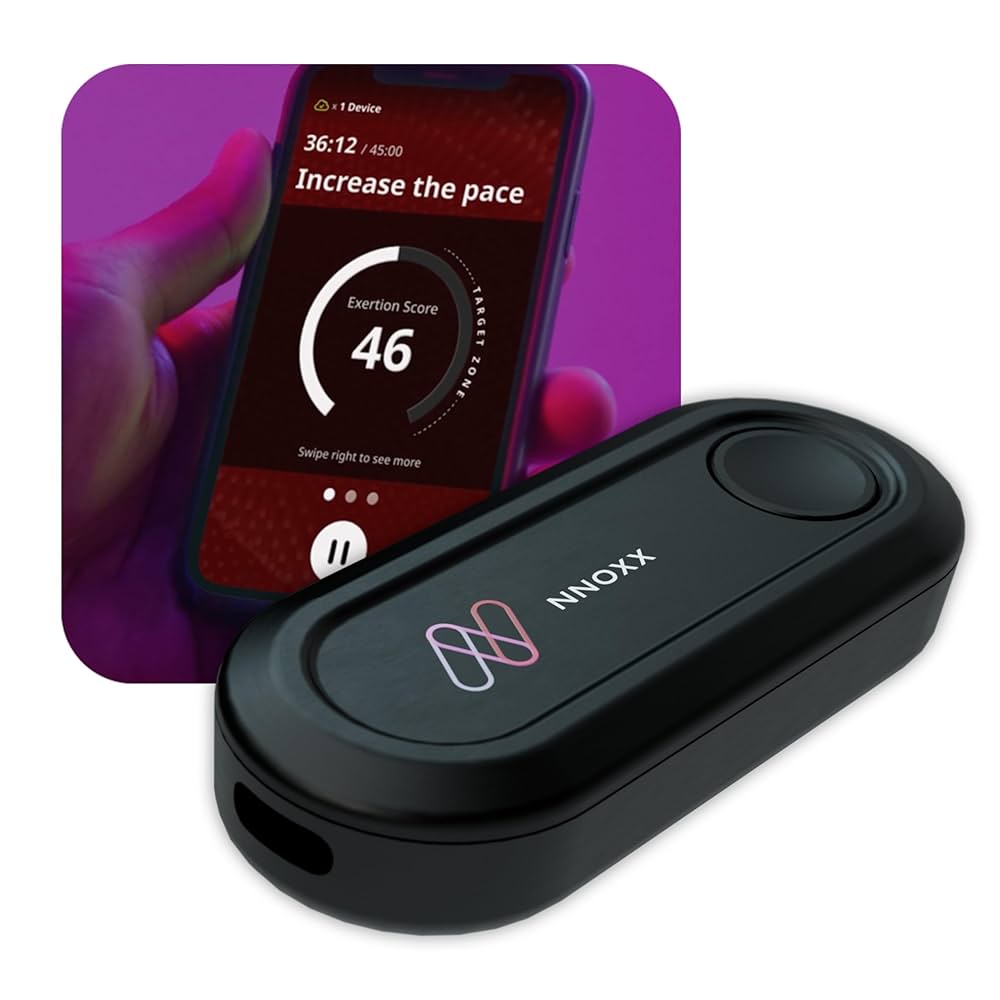
Many muscle oxygen monitors connect with your smartphone through Bluetooth. They have simple apps that show charts and numbers you can read easily. Some even give voice alerts if your oxygen level gets too low.
These tools are also helpful during rest. After a workout, your oxygen levels should go back up. If they don’t, it means your body needs more time to recover. So, this device not only helps during training but also tells you when to rest.
In short, it’s like having a health meter for your muscles. It watches your body during workouts and gives you real information to train wisely.
Key Benefits Of Using This Device
Using a Muscle Oxygen Monitor has many useful benefits, especially if you care about your health and fitness. Whether you are an athlete or just starting to exercise, this small device can make a big difference.
1. Smarter Workouts: The monitor helps you know when to push and when to rest. You won’t overtrain or undertrain because it tells you exactly what your muscles are doing.
2. Better Recovery: After exercise, you can see how fast your oxygen levels return to normal. This shows how well your body recovers. Faster recovery means you can train again sooner.
3. Injury Prevention: When oxygen drops too much, it means your muscles are under stress. By watching this, you can stop before getting hurt. This is very useful for people with past injuries or beginners.
4. Improves Endurance: For runners, cyclists, or swimmers, the monitor helps track performance over long periods. You can train your muscles to use oxygen better and last longer.
5. Easy To Use: Most devices are lightweight, wireless, and connect to your phone. You don’t need a doctor or trainer to understand it. The app does most of the work for you.
6. Helps In Sports And Rehab: This monitor is not just for gym lovers. It helps football players, mountain climbers, and even people in physical therapy. It fits many needs.
So, by using this device, you are training based on real data—not guesses. That makes your fitness journey safer, smarter, and more effective.
Choosing The Right Oxygen Monitor
Picking the right Muscle Oxygen Monitor is important because there are many brands and models in the market. Let’s look at how you can choose the best one for your needs.
1. Comfort and Fit: The monitor should be small and light. It must sit properly on your muscle without slipping. Look for flexible straps or clips that hold it in place during movement.
2. Easy App Integration: A good monitor connects easily with your smartphone or smartwatch. The app should be simple, with clear charts and numbers. Some even give live alerts during workouts.
3. Accurate Readings: Accuracy matters. Look for devices that use NIRS technology and are tested by athletes or clinics. Read reviews or ask for expert opinions before buying.
4. Battery Life: A good monitor should last at least 8–12 hours on a full charge. Some models can go longer, which is great for long training sessions or races.
5. Budget And Brand: You don’t need the most expensive one. Some affordable monitors give great results. Brands like Moxy, Humon, and BSX Insight are popular. Compare features, not just price.
6. Extra Features: Some devices also track heart rate or muscle movement. If you like more data, look for multi-sensor models.
Remember, the right monitor is one that matches your fitness level, comfort, and budget. Once you find a good one, it becomes a trusted workout buddy.
How To Use It Effectively
Using a Muscle Oxygen Monitor the right way helps you get the most out of your workouts. Here are some simple steps and tips to help you use it effectively:
1. Pick The Right Muscle Spot: Place the monitor on a large working muscle like your thigh (for running or cycling) or upper arm (for weight lifting). Make sure the area is clean and dry.
2. Secure It Well: Use straps or tape to fix the monitor so it doesn’t move during exercise. Movement can give false readings.
3. Start With Light Exercise: Begin with warm-up and check the oxygen levels. See how they change as you increase effort.
4. Watch The Numbers: During exercise, if your muscle oxygen drops below 50%, take a short rest. This helps prevent overtraining.
5. Use With Heart Rate Monitor: Many people pair it with a heart rate monitor to get full insight into their body’s response. Together, they show how your heart and muscles are working.
6. Track Recovery Time: After the workout, monitor how quickly your oxygen levels rise. Faster recovery means better fitness. If it stays low, take more rest.
7. Review Data Weekly: Use the app to check past data. This helps you plan better workouts and see your progress.
With these steps, you’ll use the monitor like a pro—even if you’re a beginner. The key is consistency and understanding what the data means for your body.
Tips To Improve Muscle Oxygen
Knowing your muscle oxygen is great—but improving it makes you stronger and healthier. Here are some simple tips to raise your muscle oxygen levels over time:
1. Do Cardio Regularly: Running, cycling, or swimming helps your heart and lungs get stronger. This sends more oxygen to your muscles.
2. Strength Training Helps Too: When you lift weights, your muscles learn to use oxygen better. Mix cardio and strength in your weekly plan.
3. Practice Interval Training: Alternate between high and low effort. For example, run fast for 1 minute, then walk for 2 minutes. This trains your muscles to recover fast.
4. Stay Hydrated: Blood carries oxygen. If you’re dehydrated, your blood gets thicker, and oxygen flow slows down. Drink water often.
5. Eat Iron-Rich Foods: Iron helps make hemoglobin, which carries oxygen in your blood. Eat foods like spinach, beans, and lean meats.
6. Breathe Properly: Deep breathing improves oxygen intake. Try nose breathing during workouts and relax your chest.
7. Rest Matters: Muscles grow and recover during rest. Don’t skip sleep or recovery days.
By following these tips, your muscles will slowly get better at using and storing oxygen. This means you can work out longer, harder, and feel less tired.
Conclusion: Smarter Fitness With Oxygen Monitoring
Using a Muscle Oxygen Monitor is like having a window into your body. It tells you how your muscles feel during exercise, when to push, and when to rest. This small device helps improve your workouts, boosts performance, and keeps you safe from injuries.
You don’t need to be a professional athlete to use it. Beginners, gym lovers, cyclists, runners—everyone can benefit from this smart tool. With the right monitor, you get real-time feedback that makes your fitness journey better and easier.
Now that you know how it works, how to choose one, and how to use it, you can take your training to the next level. Start smart, train right, and listen to your muscles.
FAQs About Muscle Oxygen Monitor
Q1: Is the muscle oxygen monitor safe to use?
Yes, it’s completely safe. It uses light to measure oxygen and does not harm your skin or muscles.
Q2: Do I need a trainer to use it?
No, most devices are simple to use and come with mobile apps that guide you.