Animation has long been an engaging format, turning stories into life with interesting pictures and absorbing stories. However, with the introduction of artificial intelligence (AI), the industry is undergoing a significant transformation. AI is revolutionising the production and consumption of animations, making them even more interactive and personalised. But how does AI influence animation, and what does it mean for future content creation? Let's find out how AI is revolutionising animation and how future animators can prepare themselves for this exciting transformation through Arena Animation in Kolkata.
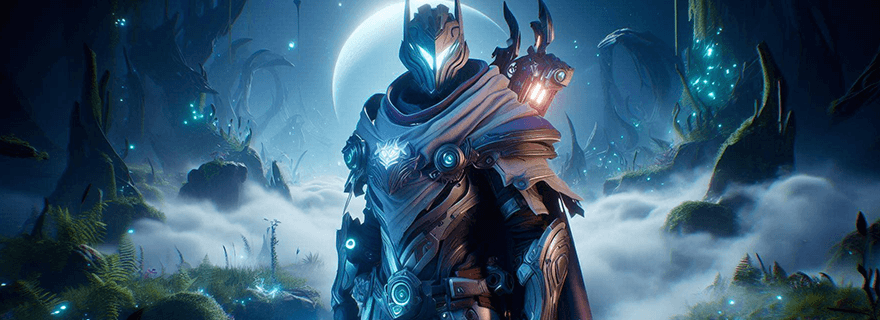
How AI is Transforming Animation
AI is making animation more efficient and customised. Here’s how:
1. AI-Driven Character Customisation
One of AI’s most exciting contributions to animation is its ability to personalise characters based on viewer preferences. AI algorithms can:
- Adjust character features like facial expressions, clothing, or even voices based on user interactions.
- Allow users to select how animated characters look in interactive storytelling platforms.
- Develop avatars in video games that imitate actual facial gestures and physical postures.
This feature is widely used in gaming and virtual environments, making animated experiences feel more immersive.
2. Automated Animation Production
Traditionally, animating a character required countless hours of frame-by-frame work. AI significantly reduces this effort by:
- Using deep learning models to automate in-between frames, reducing animation time.
- Applying motion capture technology to instantly animate characters based on real-time human movements.
- Enhancing efficiency in lip-syncing animations for multilingual productions.
With AI, animators can focus more on creativity rather than tedious production processes.
3. Personalised Storytelling
Imagine watching an animated series where the story adapts to your choices. AI makes this possible by:
- Tracking user behaviour and preferences to offer unique story pathways.
- Creating dynamic content that changes based on audience engagement.
- Allowing real-time adjustments to plotlines and character interactions.
This innovation is particularly beneficial in interactive media, e-learning content, and children’s animation.
4. Enhanced Visual Effects (VFX) with AI
VFX has become more realistic and efficient with AI-powered tools. AI can:
- Improve scene rendering speeds, making high-quality animation production faster.
- Improve special effects such as natural water, fire, and weather in animation.
- Create natural textures and lighting tweaks with minimal human involvement.
These advancements make animation look more natural while reducing production time and costs.
5. AI-Powered Voice Synthesis and Dubbing
Dubbing animations into multiple languages is no longer a time-consuming process, thanks to AI. The technology can:
- Generate synthetic voices that match the original character’s tone and emotions.
- Provide real-time voice translation for animated films and series.
- Reduce the need for extensive manual voice-over work.
This makes animated content more accessible to global audiences without losing the essence of the original performance.
The Future of AI in Animation
The evolution of AI in animation is just beginning. Here’s what the future holds:
- Hyper-Personalised Content: AI will create unique animations tailored to individual preferences.
- Real-Time Animation: AI will allow real-time animation adjustments in live broadcasts and gaming.
- AI-Generated Storyboarding: Automated software will help create plotlines and scriptwriting.
Through these developments, AI is not supplanting but rather augmenting animators with new technology to expand creative horizons.
Preparing for AI-Driven Animation at Arena Animation, Park Street
As AI reshapes animation, aspiring animators must keep up with the latest trends and tools. At Arena Animation in Kolkata, students get hands-on training in:
- 2D & 3D Animation: Mastering traditional and digital animation techniques.
- Visual Effects (VFX): Learning AI-enhanced compositing, rotoscoping, and motion graphics.
- Game Design & Development: Creating immersive gaming experiences with AI integration.
- UI/UX & Digital Design: Crafting user-friendly animated interfaces and experiences.
These programs not only teach technical skills but also foster innovative storytelling aligned with industry trends.
Understanding the Investment: Arena Animation Course
For those considering professional training, understanding the arena animation course structure is essential. The cost depends on course length and specialisation. Nevertheless, investing in quality animation education guarantees a prosperous career in this dynamic field.
Conclusion
Artificial intelligence is revolutionising animation by making it more interactive, efficient, and personalised. Be it AI-driven character customisation or automated production and dynamic storytelling, all these innovations are opening new paths to creativity. Budding animators must keep up with the times to gain successful careers in this cutthroat industry. If you love animation and would like to uncover the potential of AI-powered creativity, Arena Animation Park Street is where you need to begin. Ready to live your animation fantasies?