Fraudulent activities in online gaming are a major concern for the industry, as they can have a significant impact on both players and game developers. There are many different types of fraud that can occur, from account hacking and phishing to software piracy and cheating. Fraud can also result in financial losses for gamers, as well as legal issues and reputational damage for game developers.
In order to protect themselves and their players, it is important for game developers to be aware of the risks of fraud and take steps to prevent it.
It's no secret that online gaming fraud is a big problem for the industry. In fact, it's estimated that fraudsters cost the gaming industry billions of dollars every year. That's why many companies are now taking steps to combat fraud, including using data analytics to detect and prevent fraudulent activity.
However, despite these efforts, fraud continues to be a major issue for the gaming industry. One of the biggest challenges is that there are so many different ways that fraud can occur. For example, some scammers may create fake accounts in order to win prizes or virtual currency, while others may hack into legitimate accounts and steal resources or personal information.
What's more, as the gaming industry grows and becomes more complex, so too do the methods of fraudsters. This means that combating online gaming fraud is an ongoing battle that requires constant vigilance. But by working together and sharing information, we can make progress in protecting our players and ensuring that everyone has a fair chance to enjoy the game.
What is Online Gambling Fraud?
Online gambling fraud is a serious issue that can have severe consequences for both the gambler and the casino. There are many different types of online gambling fraud, but one of the most common is when a player uses stolen credit card information to gamble online. This can lead to huge financial losses for the casino, as well as put the player's personal information at risk.
Other types of online gambling fraud include using fake identities to open accounts or placing bets on behalf of another person. While it may seem like a victimless crime, online gambling fraud can have very real and serious consequences. If you suspect that you have been a victim of online gambling fraud, you should report it to the authorities immediately.
How Big is the Online Gaming Industry?
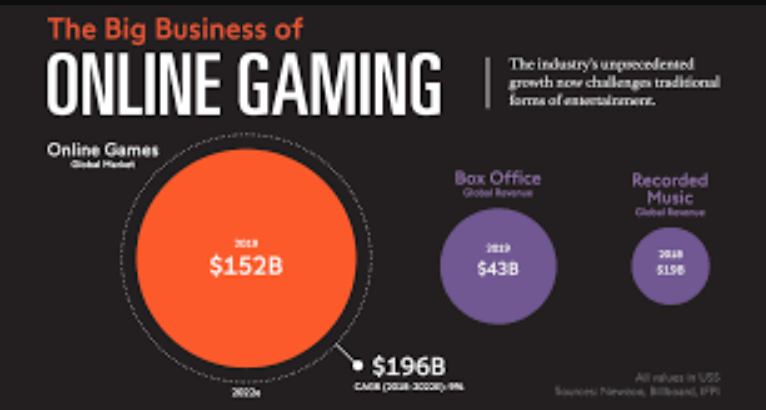
It's no secret that online gaming is big business. In fact, it's huge. The global online gaming industry is expected to grow from $19.3 billion in 2019 to $196.0 billion by 2025, according to a report by MarketsandMarkets.
That's a compound annual growth rate of 24.8%. There are a number of factors driving this growth, including the increasing popularity of mobile gaming, the rise of esports, and the growing acceptance of online gambling. But whatever the reason, there's no doubt that online gaming is one of the hottest industries around right now.
If you're thinking about getting involved in the online gaming industry, whether as a player or as an entrepreneur, now is the time to do it. With so much growth on the horizon, there are plenty of opportunities for those who are willing to seize them.
You can find more information at gamingscams.com if you are looking for more information.
Unauthorised Gambling Transactions
If you've ever had a gambling transaction go through your account without your knowledge or authorization, you know how frustrating it can be. Here's what you need to know about unauthorized gambling transactions and how to avoid them. What are unauthorized gambling transactions?
Unauthorized gambling transactions are any type of gambling activity that goes through your account without your knowledge or consent. This could include online betting, casino withdrawals, or even lottery tickets. Basically, anything that would be considered gambling by your financial institution can be considered an unauthorized transaction.
Why do they happen? There are a few different reasons why these types of transactions can happen. In some cases, it may be due to fraudsters trying to get access to your account information.
Other times, it could be because you accidentally gave someone your login information or because there was a technical glitch with the site you were using. Whatever the reason, it's important to remember that these kinds of transactions are not only illegal but also very risky. How can I avoid them?
The best way to avoid unauthorized gambling transactions is to never give out your login information to anyone and to always log out of any gambling sites after use. Additionally, make sure that you have strong anti-virus and anti-malware protection on all of your devices to help prevent hackers from getting access to your accounts in the first place. And finally, if you ever see an unauthorized transaction on your statement, report it immediately to your financial institution so they can investigate and take appropriate action.
Chargeback Fraud
What is chargeback fraud? Chargeback fraud is a type of credit card fraud that occurs when a person makes a purchase with a stolen or fake credit card, and then requests a chargeback from the card issuer. This type of fraud can be difficult to detect, as it often takes place online and the fraudulent charges may not show up on the cardholder's statement for several weeks.
How can you protect yourself from chargeback fraud? There are a few things you can do to protect yourself from chargeback fraud: - Check your statements regularly and report any suspicious activity immediately to your bank or credit card issuer.
- Be cautious when making online purchases, especially if you are using a new or unfamiliar website. Only use trusted websites and make sure the URL starts with https:// (the "s" stands for secure). You should also see a locked padlock icon in the address bar.
- Keep your antivirus software up to date and run regular scans on your computer to ensure it's free of malware. This will help prevent your personal and financial information from being stolen by hackers.
Online Casino Fake Or Real
There are a lot of online casinos that claim to be the real deal. But how can you tell if an online casino is fake or real? Here are some things to look for:
Reputation: A good way to tell if an online casino is fake or real is by looking at its reputation. If the casino has been around for a while and has a good reputation, it's likely that it's a legitimate business. However, if the casino is new and doesn't have much of a reputation, it could be a scam.
License: All legitimate online casinos will be licensed by a gaming commission. This ensures that the casino is following all the rules and regulations set forth by the commission. If an online casino doesn't have a license, it's probably not legitimate.
Games: Another way to tell if an online casino is fake or real is by looking at the games they offer. Legitimate casinos will offer games from well-known providers like Microgaming, NetEnt, and Playtech. If an online casino only offers games from unknown providers, it could be because they're trying to hide something.
Banking Options: When you're playing at an online casino, you'll need to deposit and withdraw money somehow. Legitimate casinos will offer multiple banking options for both deposits and withdrawals. If an online casino only offers one or two banking options, it could be because they're trying to limit your choices.
Gambling Chargeback What are the Consequences 2018
If you've ever been tempted to file a chargeback on a gambling debt, you may want to think twice. The consequences of a gambling chargeback can be serious, and they can last long after the debt is paid off. Here's what you need to know about the potential consequences of filing a gambling chargeback:
1. You could be banned from the casino. If you file a chargeback on a gambling debt, the casino has the right to ban you from their premises. This means you won't be able to gamble there again, even if you're able to pay off the debt.
2. You could be blacklisted from other casinos. Chargebacks are recorded on your credit report, and casinos share information about blacklisted players with each other. This means that if you file a chargeback on one gambling debt, you could be banned from many casinos in the future.
3 .Your credit score could suffer . Chargebacks stay on your credit report for up to seven years, and they can have a negative impact on your credit score.
This will make it harder for you to get loans or lines of credit in the future, and it could even affect your ability to rent an apartment or get insurance.
Conclusion
Fraudulent activities in online gaming is a major problem that affects the industry as a whole. These activities can include anything from hacking into accounts to stealing virtual goods and even money. This not only hurts the players who are affected, but also damages the reputation of the game companies and can lead to financial losses.
In order to combat this problem, game companies need to be constantly on the lookout for fraudulent activity and take action to prevent it from happening.