What flowers are poisonous to cats? Many popular flowers commonly found in bouquets and gardens contain toxins that are dangerous to felines, and certain varieties—particularly lilies—can be fatal even in extremely small amounts. With delivery services such as My Global Flowers, it is especially important to know which stems are safe before you order or send arrangements. Knowing which flowers are poisonous to cats helps you decorate safely and avoid life-threatening emergencies.
Why Some Flowers Are Dangerous for Cats
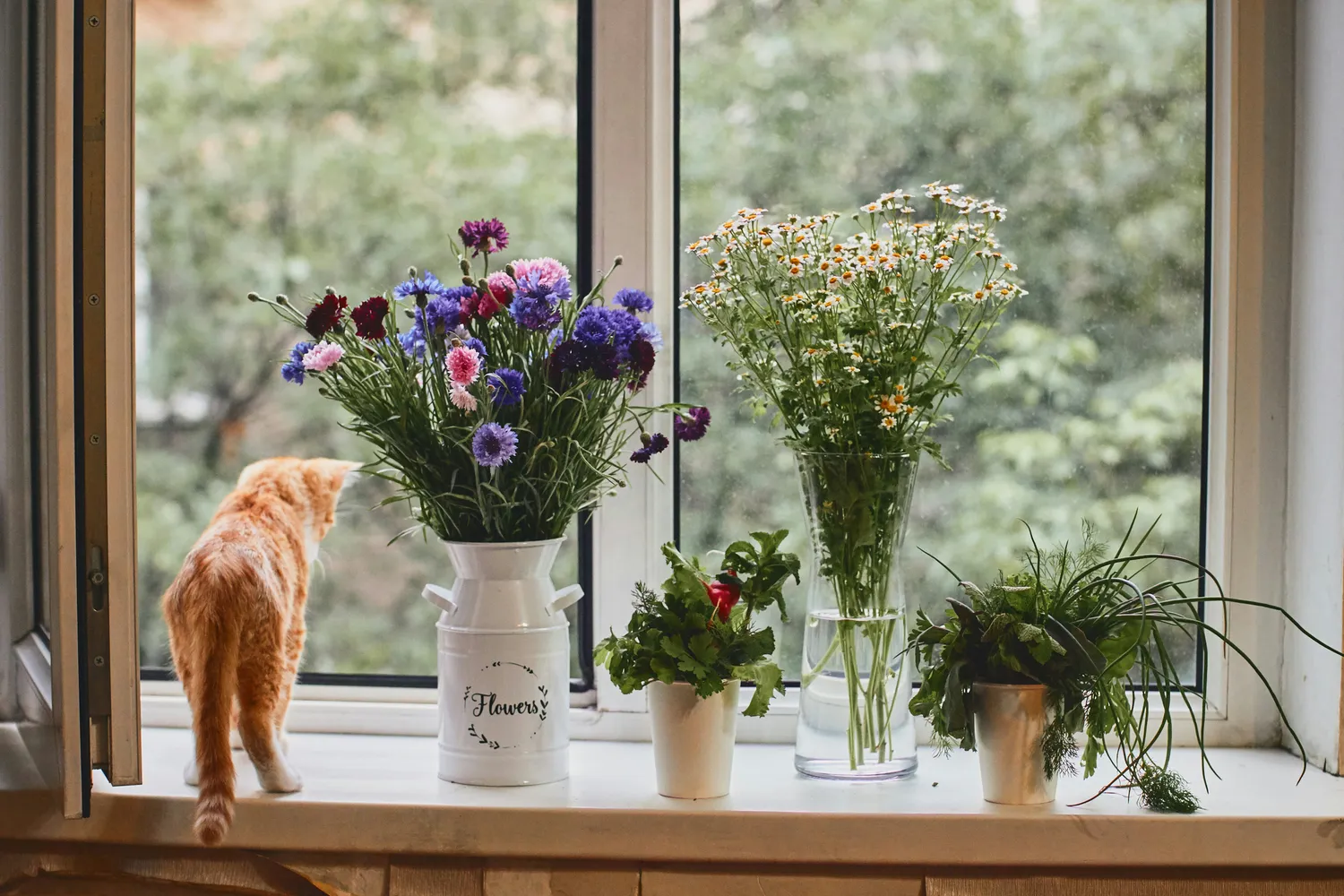
Flowers can be poisonous to cats when toxins in the petals, leaves, stems, pollen, or bulbs are eaten, licked off the fur, or ingested through vase water. Cats are especially vulnerable because they groom themselves frequently and their bodies do not process plant toxins the same way humans and dogs do.
Even mildly toxic flowers can still cause serious vomiting, diarrhea, or neurological signs in sensitive cats. For indoor cats that get bored and chew on plants, toxic flowers pose an even bigger risk.
Highly Poisonous Flowers to Avoid Around Cats
Lilies: The Most Dangerous Flowers for Cats
True lilies and daylilies are among the most dangerous flowers you can bring into a home with cats. Even a tiny amount of pollen, a single petal, or a sip of lily-contaminated vase water can cause acute kidney failure. If a cat has any contact with lilies, it is an emergency and requires immediate veterinary care.
Because of this extreme risk, experts recommend keeping all lilies out of homes where cats live, including Easter lilies, tiger lilies, Asiatic lilies, and daylilies. It is safer to assume that any bouquet containing lilies is not cat-safe.
Daffodils
Daffodils contain toxic alkaloids, especially concentrated in the bulbs. When a cat chews on the flowers, leaves, or bulbs, it can develop drooling, vomiting, diarrhea, abdominal pain, and sometimes tremors or heart rhythm changes. The bulbs are particularly dangerous because they have the highest toxin levels and are easy to dig up from pots or outdoor beds.
Tulips
Tulips are another common spring flower that is poisonous to cats. Toxic compounds are concentrated in the bulbs, but the leaves and flowers can also cause problems. If a cat eats tulip parts, it may drool, vomit, have diarrhea, and appear depressed or unsteady. Because tulip bulbs are often stored in bags or boxes before planting, they should be kept completely out of reach of curious cats.
Hyacinths
Hyacinths contain irritating substances that can cause intense mouth and throat irritation, drooling, vomiting, and diarrhea. Again, the bulbs carry the highest risk, but the blossoms and leaves can still cause discomfort. If your cat chews on a hyacinth or digs in a pot where the bulb is planted, watch for signs of oral pain and stomach upset.
Chrysanthemums
Chrysanthemums are considered only mildly to moderately toxic but can still make cats quite sick. They contain natural insecticidal substances that may lead to drooling, vomiting, diarrhea, and loss of coordination. Because mums are popular seasonal decorations in fall arrangements and outdoor planters, they are easy for cats to encounter.
Amaryllis
Amaryllis is often sold around Christmas and other holidays. If a cat chews on the stalks, leaves, or bulbs, it can experience vomiting, diarrhea, abdominal pain, and tremors. Since these plants are usually displayed indoors during the holidays, they should be kept far away from any cat that likes to explore or nibble.
Gladioli and Irises
Gladioli and irises are common in garden borders and cut-flower arrangements. When cats chew on these plants, especially the bulbs or rhizomes, they can develop irritation of the mouth and stomach, vomiting, and diarrhea. Curious outdoor cats or those who roam gardens may be at higher risk.
Cyclamen
Cyclamen is a popular winter and indoor plant. The tuber of cyclamen is especially toxic and can cause severe vomiting, drooling, and diarrhea. In large enough quantities, cyclamen poisoning may also lead to heart rhythm problems, which can be life-threatening.
Foxglove
Foxglove is a classic cottage-garden flower that contains powerful cardiac glycosides. If a cat eats foxglove, it can suffer dangerous heart rhythm disturbances, weakness, collapse, and potentially death. Because the toxins affect the heart, foxglove is considered a very high-risk plant for pets.
Azaleas and Rhododendrons
Azaleas and rhododendrons contain toxins that interfere with normal nerve and heart function. Even small ingestions can lead to drooling, vomiting, diarrhea, weakness, blood pressure changes, and irregular heartbeat. These shrubs are widely used in landscaping, so outdoor cats may encounter them easily.
Autumn Crocus and Spring Crocus
Autumn crocus is highly toxic and can cause severe vomiting, bloody diarrhea, abdominal pain, organ damage, respiratory failure, seizures, and death. Spring crocus is generally less dangerous but can still cause unpleasant gastrointestinal upset. Because the two can be confused, it is safest to keep crocus plants away from cats altogether.
Common Symptoms of Flower Poisoning in Cats
The symptoms of plant poisoning in cats depend on the species of flower, how much was eaten, and which organs are affected. Signs may appear within hours or be delayed for several days.
Typical signs include:
Drooling and foaming at the mouth
Vomiting and diarrhea
Loss of appetite and abdominal pain
Lethargy, weakness, or hiding
Wobbling, unsteadiness, tremors, or seizures
Increased thirst and urination, especially with kidney-damaging plants like lilies
Irregular heartbeat, collapse, or breathing difficulty in severe cases
If you notice any of these signs and suspect your cat has chewed on or played with flowers, treat it as an emergency. Contact a veterinarian or a pet poison helpline immediately, even if your cat seems fine at first.
Are Any Flowers Safe for Cats?
Not all flowers are dangerous, and there are several cat-safer options you can enjoy. Many common roses are considered non-toxic to cats, although the thorns can still injure a curious mouth or paw. Some popular orchids are also generally regarded as non-toxic and are a good choice for pet-friendly decor.
Other safe blooms can include options like sunflowers and certain seasonal flowers that do not contain known cat-specific toxins. However, even safe flowers can cause mild stomach upset if a cat eats large amounts, simply because they are not food. It is still best to limit access and discourage chewing.
How to Choose Cat-Safe Bouquets and Arrangements
When you buy or receive flowers, do not assume that a bouquet labeled pet friendly will automatically be safe for cats. Always check each stem, especially if the arrangement contains unfamiliar flowers or greenery.
Here are practical tips to keep your cat safe:
Avoid Lilies Completely
Ask florists to exclude lilies and lily-like flowers from any bouquet you order for a home with cats. This single step removes one of the biggest risks.
Check Plant Lists from Trusted Sources
Keep a list of toxic and non-toxic plants from veterinary or animal-welfare organizations and compare any new plant against it. If you cannot confirm that a flower is safe for cats, do not bring it inside.
Place Flowers Out of Reach
Even with safer flowers, position vases in places your cat cannot access. Remember that many cats can jump onto high shelves, windowsills, and the top of refrigerators, so a bit higher is often not enough.
Build Your Personal Yes List
Once you identify a few non-toxic flowers you like, such as roses or certain orchids, repeat these choices in future bouquets. This reduces guesswork and lowers the chance of accidentally bringing home a toxic plant.
Supervise and Redirect Curious Cats
If your cat shows interest in chewing leaves or petals, gently redirect them with toys, cat grass, or their own safe plants. Providing enrichment can reduce boredom-related chewing.
What to Do If Your Cat Eats a Poisonous Flower
If you think your cat has eaten or licked a poisonous flower, act quickly. Remove any plant material from the cat's mouth, fur, and paws if you can do so safely, and move the cat away from the plant. Do not wait for symptoms to appear before seeking help.
Call your veterinarian or an emergency clinic right away and tell them:
Which plant you think was eaten
How much might have been ingested
When the exposure happened
Any symptoms you are seeing
Do not try to make your cat vomit or treat the poisoning at home unless a vet specifically instructs you to do so. Fast, professional treatment can be the difference between full recovery and serious complications, especially with highly toxic flowers like lilies.
Final Safety Reminder for Cat Owners
If you are ever unsure whether a flower is poisonous to cats, the safest choice is to keep it out of your home until you can confirm its status with a reliable veterinary source. By learning which flowers are toxic, watching for signs of poisoning, and choosing truly cat-safe alternatives, you can enjoy beautiful arrangements without putting your cat's health at risk.