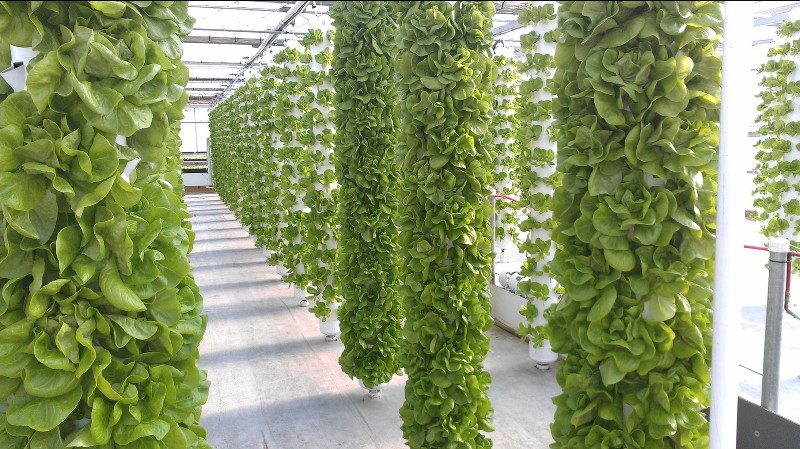
Aeroponic tower gardens have emerged as a revolutionary solution in the field of agriculture, particularly for urban and vertical farming. These systems, which allow plants to grow in an air or mist environment without the use of soil, offer numerous advantages, including water efficiency, space-saving, and rapid growth rates. This article delves into the market prospects of aeroponic tower gardens, exploring their potential, current trends, and future outlook.
1. Introduction to Aeroponic Tower Gardens
Aeroponics is a method of growing plants where the roots are suspended in the air and periodically misted with a nutrient-rich solution. This technique, combined with the vertical structure of tower gardens, maximizes space utilization and enhances plant growth. Aeroponic tower gardens are particularly suited for urban environments, where space is limited, and traditional farming methods are not feasible.
1.1 The Basics of Aeroponics
Aeroponics differentiates itself from other soilless growing methods, such as hydroponics, by its use of air and mist. The key components of an aeroponic system include:
- Growing Towers: Vertical structures that support the plants and house the misting nozzles.
- Misting System: Delivers a fine mist of water and nutrients to the plant roots.
- Nutrient Reservoir: Holds the nutrient solution that is pumped to the misting system.
- Lighting System: Provides the necessary light for photosynthesis, often using energy-efficient LEDs.
1.2 Advantages of Aeroponic Tower Gardens
- Space Efficiency: Vertical growth allows for high-density planting in small areas.
- Water Efficiency: Uses up to 90% less water compared to traditional soil farming.
- Faster Growth: Plants can grow up to 30% faster due to optimal nutrient absorption and oxygenation.
- Pest and Disease Control: Reduced risk of soil-borne diseases and pests.
- Flexibility: Suitable for a wide range of crops, from leafy greens to herbs and even some fruiting plants.
2. Current Market Trends
The market for aeroponic tower gardens has been growing steadily, driven by increasing awareness of sustainable agriculture practices and the need for efficient urban farming solutions.
2.1 Urbanization and Vertical Farming
As urban populations continue to rise, the demand for locally grown, fresh produce has increased. Vertical farming, including aeroponic tower gardens, offers a viable solution for urban environments, where space is at a premium. These systems can be installed in urban homes, community centers, and commercial buildings, bringing fresh produce closer to consumers.
2.2 Technological Advancements
Technological innovations have played a crucial role in the development and adoption of aeroponic systems. Improvements in LED lighting, automation, and nutrient delivery systems have made these gardens more efficient and user-friendly. The integration of IoT (Internet of Things) devices allows for remote monitoring and control, further enhancing the appeal of aeroponic tower gardens.
2.3 Sustainability and Health Trends
Consumers are increasingly prioritizing sustainability and health, leading to a growing interest in home gardening and locally sourced food. Aeroponic tower gardens align with these trends by offering a sustainable and healthy way to grow food. The reduction in transportation and packaging associated with locally grown produce also appeals to environmentally conscious consumers.
3. Economic Viability
The economic viability of aeroponic tower gardens depends on various factors, including initial investment, operational costs, and potential revenue streams.
3.1 Initial Investment
The initial cost of setting up an aeroponic tower garden can vary widely based on the scale and sophistication of the system. Key expenses include:
- Tower and Structure: The cost of the vertical towers and supporting structures.
- Misting and Nutrient Systems: Equipment for nutrient delivery and misting.
- Lighting: LED grow lights for indoor systems.
- Automation and Monitoring: IoT devices and software for system control and monitoring.
While the initial investment can be significant, advances in technology and increased competition are driving down costs, making these systems more accessible to a broader audience.
3.2 Operational Costs
Ongoing costs associated with aeroponic tower gardens include:
- Energy Costs: Electricity for lighting, pumps, and climate control.
- Nutrients: Regular replenishment of the nutrient solution.
- Maintenance: Upkeep of equipment and system components.
However, the efficiency of aeroponic systems often leads to lower water and nutrient costs compared to traditional farming methods, offsetting some of the operational expenses.
3.3 Revenue Streams
Aeroponic tower gardens can generate revenue through various channels:
- Direct Sales: Selling fresh produce directly to consumers at farmers' markets, local stores, or through CSA (Community Supported Agriculture) programs.
- B2B Sales: Supplying restaurants, grocery stores, and other businesses with fresh, locally grown produce.
- Educational and Recreational Services: Offering workshops, tours, and hands-on experiences for educational institutions and hobbyists.
The high-quality, pesticide-free produce grown in aeroponic systems can often command premium prices, enhancing profitability.
4. Market Segments
The market for aeroponic tower gardens can be segmented into various categories, each with its unique opportunities and challenges.
4.1 Residential Market
Home gardeners represent a growing segment of the aeroponic market. Consumers interested in sustainable living, fresh produce, and gardening as a hobby are increasingly adopting aeroponic tower gardens. Manufacturers are developing compact, user-friendly systems tailored for home use, making it easier for individuals to grow their food.
4.2 Commercial Market
Commercial growers are exploring aeroponic tower gardens for large-scale production. These systems offer significant advantages in terms of yield, resource efficiency, and the ability to grow year-round in controlled environments. Commercial operations can scale up quickly, leveraging the vertical nature of the systems to maximize output.
4.3 Educational Institutions
Schools, universities, and research institutions are adopting aeroponic systems for educational purposes. These gardens provide a hands-on learning experience, demonstrating principles of biology, sustainability, and modern agricultural techniques. Grants and funding opportunities for STEM (Science, Technology, Engineering, and Mathematics) education further support this market segment.
4.4 Community and Urban Projects
Community gardens and urban farming initiatives are leveraging aeroponic tower gardens to address food security and promote local food production. These projects often receive support from government programs, non-profit organizations, and community groups, helping to fund and sustain their operations.
5. Challenges and Barriers
Despite the promising prospects, aeroponic tower gardens face several challenges that need to be addressed for wider adoption.
5.1 High Initial Costs
The initial investment for setting up an aeroponic system can be a barrier for many potential users. While prices are decreasing, the cost of high-quality systems remains a significant consideration, particularly for small-scale and residential users.
5.2 Technical Complexity
Operating an aeroponic system requires a certain level of technical knowledge and expertise. Users need to understand nutrient management, system maintenance, and troubleshooting, which can be daunting for beginners. Providing comprehensive training and support is essential for successful adoption.
5.3 Market Awareness
Many consumers and potential users are still unfamiliar with aeroponic technology and its benefits. Increasing awareness through marketing, education, and demonstration projects is crucial to expanding the market.
5.4 Regulatory and Policy Issues
Regulatory frameworks and policies related to urban farming, water usage, and energy consumption can impact the adoption of aeroponic systems. Navigating these regulations and advocating for supportive policies is necessary for the growth of the industry.
6. Future Outlook
The future of aeroponic tower gardens looks promising, with several trends and developments poised to drive growth in the market.
6.1 Technological Innovations
Continued advancements in technology will enhance the efficiency, affordability, and ease of use of aeroponic systems. Innovations in automation, AI-driven nutrient management, and sustainable energy sources will further improve the viability of these systems.
6.2 Integration with Smart Cities
As cities become smarter and more connected, integrating aeroponic tower gardens into urban infrastructure can promote sustainable food production. Rooftop gardens, vertical farms in residential and commercial buildings, and community-based systems can contribute to food security and urban resilience.
6.3 Climate Change Mitigation
Aeroponic systems offer a sustainable solution for food production in the face of climate change. Their water efficiency, reduced land requirements, and ability to produce food in controlled environments make them well-suited to mitigate the impacts of changing weather patterns and resource scarcity.
6.4 Expanding Market Reach
Expanding the reach of aeroponic tower gardens to developing regions and underserved communities can address food security challenges and promote sustainable agriculture practices. Partnerships with NGOs, government programs, and private enterprises can facilitate the deployment of these systems in diverse settings.
7. Case Studies and Success Stories
Examining successful implementations of aeroponic tower gardens can provide valuable insights into their market prospects.
7.1 Urban Farms
Several urban farms around the world have successfully integrated aeroponic systems into their operations. These farms produce fresh, local produce for urban populations, reduce food miles, and create green spaces in cities. Examples include farms in New York, Singapore, and Tokyo.
7.2 Educational Programs
Educational institutions that have adopted aeroponic systems report positive outcomes in student engagement and learning. Schools and universities use these gardens to teach principles of biology, sustainability, and innovative agriculture, preparing students for future careers in the field.
7.3 Community Initiatives
Community-based projects have demonstrated the potential of aeroponic systems to enhance local food security and community resilience. Initiatives in cities like Detroit and Nairobi have successfully implemented aeroponic gardens, providing fresh produce to local residents and creating opportunities for community engagement.
8. Conclusion
The market prospects for aeroponic tower gardens are highly promising, driven by technological advancements, urbanization trends, and growing consumer demand for sustainable and healthy food. Despite challenges such as high initial costs and technical complexity, the benefits of aeroponic systems in terms of efficiency, sustainability, and yield make them a compelling option for the future of agriculture.
As awareness and adoption continue to grow, aeroponic tower gardens have the potential to transform urban agriculture, contribute to food security, and support the development of smart, resilient cities. By addressing current barriers and leveraging emerging opportunities, stakeholders in the industry can pave the way for a thriving market for aeroponic tower gardens.