Slippery floors. Rippy edges. Unyielding surfaces. The bathroom is the smallest room of your house, and at the same time, it is the potential place of an accident when an individual's safety (especially, aged or mobility-impaired persons) is concerned.
Fortunately, the whole redesign does not need to be carried out to make your bathroom safer. Some simple amendments can be very helpful to reduce the chances of a fall and to make everyday life more convenient. And in case you are out there to shop bathroom safety products, especially a parent, a grandparent of a rehabilitating patient, then this guide has compiled the plain vanilla.
Minor Type of Adjustments, Great Difference
There is no need to gut your bathroom so that it can be safe. In the majority of instances, some well-calculated objects will prevent much straining (and bruises). It is not so much about technology and high-tech gadgets; it is very simple, functional, heavy-duty tools that do their job.
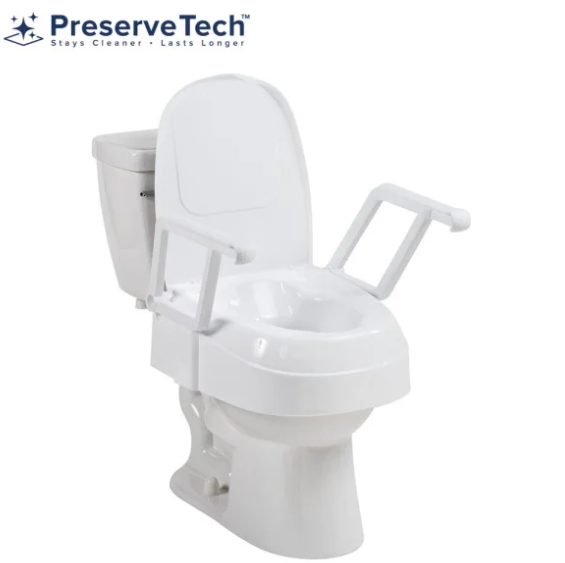
1. Raised Toilet Seats
It’s not something you notice—until you’re the one struggling to sit and stand. Standard toilets are lower than most people realize. For seniors or anyone with bad knees, that extra effort can turn into a daily battle. A raised toilet seat solves that instantly. Some even come with armrests, so there’s no guesswork about how to get back up.
2. Grab Bars Where They Matter
The idea is simple: put a solid bar where someone might reach for balance anyway. That could be beside the toilet, inside the shower, or next to the sink. These safety products don’t need to be high-tech. Just strong, properly installed, and in the right spots. And yes—avoid suction cup ones unless it’s short-term use only.
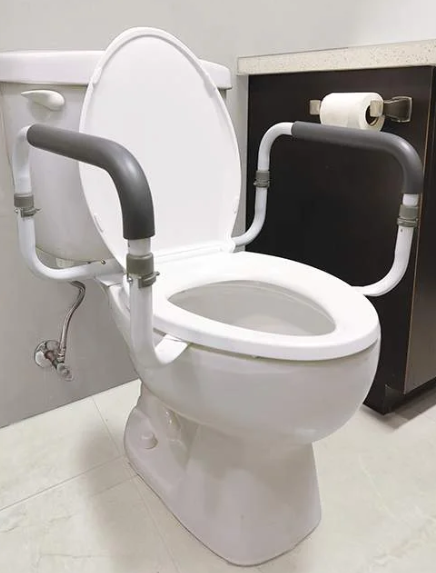
3. Toilet Safety Frames
This one’s underrated. Think of it like a walker around the toilet. It gives someone something to push off of, which is a big deal when legs feel weak or wobbly. You don’t have to install anything permanently either—many of these just sit in place and can be removed when not needed.
4. Shower Chairs & Transfer Benches
If stepping into a tub feels risky, it probably is. A transfer bench helps users sit down outside the tub and then slide in safely, one leg at a time. Shower chairs, on the other hand, just give you a place to sit while cleaning up. No more rushing to finish a shower before your knees give out.
5. Non-Slip Surfaces
This one’s obvious but easy to forget. Bath mats that don’t move. Textured strips inside the tub. Slippery tiles near the sink? Fixable. It’s cheap prevention—and worth every penny.
Why Quality Matters
Not all safety products are built the same. Some look great but don’t feel sturdy. Others have all the features but fall apart in a few months. If it’s for a loved one or for yourself, go with brands and sellers who specialize in mobility care—not just generic bathroom accessories.
That’s where stores like Mobility Inc. come in. They focus specifically on solutions for people with mobility issues. Their bathroom safety products don’t just look medical—it’s functional, well-reviewed, and made to be actually used every day.
In the End, It’s All about Independence
This isn’t just about avoiding accidents. It’s about dignity. About letting someone keep doing things on their own, in their own home, for as long as possible.
You don’t need to spend a fortune. Just start with what’s most urgent: something to hold onto, something to sit on safely, something to help you get up without pain. The rest can come later. But don’t wait until after the fall to make the change.